


The blue lotus (Nymphaea caerulea), often called the "dream flower," isn't technically a lotus at all—it's a stunning water lily with a rich history and a reputation for its gentle, calming effects. For ancient cultures, especially the Egyptians, this plant was sacred. It was deeply woven into their spiritual life, believed to encourage relaxation, lucid dreaming, and a profound sense of peacefulness.
Unveiling the Blue Lotus Flower
Step into the enchanting world of the blue lotus, a flower steeped in mystery and ancient reverence. For thousands of years, this captivating bloom has symbolised tranquility, spiritual awakening, and the cycles of life and death. You can see its influence everywhere in ancient Egyptian art, where it was a fixture in religious ceremonies and healing traditions.
Today, this timeless botanical is making a comeback. It’s being embraced by a new generation looking for natural ways to find their calm and deepen self-care routines.
This isn't just some fleeting trend; it's a genuine rediscovery of ancient wisdom. In our fast-paced world, people are drawn to the blue lotus for its potential to soothe the mind and support relaxation. Whether it's used to enhance meditation, encourage restful sleep, or simply create a quiet moment, the flower offers a gentle pathway to finding your centre.
A Bridge Between Ancient Ritual and Modern Wellness
The journey of the blue lotus from a sacred symbol to a modern wellness aid is a fascinating one. It really speaks to our growing desire to reconnect with natural remedies that have stood the test of time. Understanding its historical weight gives you a much richer appreciation for its place in herbalism today. To get a better handle on the foundational principles of using plants for wellbeing, you can learn more by reading our guide on what is herbalism.
Here’s why this ancient flower resonates so strongly today:
- A Call for Calm: In an age of constant notifications and pressure, its calming properties offer a natural escape from daily stressors.
- Spiritual Connection: It’s a wonderful tool for anyone looking to deepen their meditation, yoga, or mindfulness practices, especially when paired with a comfortable yoga mat and stylish activewear.
- A Natural Sleep Aid: Many people turn to blue lotus to help quiet a racing mind before bed, setting the stage for a more peaceful night's rest.
- Creative Inspiration: Historically, it was linked with heightened awareness and creativity, and it's still used by artists and thinkers to find new perspectives.
This guide will walk you through everything you need to know about this remarkable flower, from its sacred history to its practical uses in your own wellness rituals.
The Sacred History and Modern Revival
The story of the blue lotus is a journey through time, winding its way back to the fertile banks of the ancient Nile River. For the ancient Egyptians, Nymphaea caerulea was far more than just a beautiful flower; it was a potent symbol of creation, rebirth, and the sun itself. You can see why—its petals opened with the morning light and closed as dusk fell, a perfect reflection of the cosmic cycle of life and death.
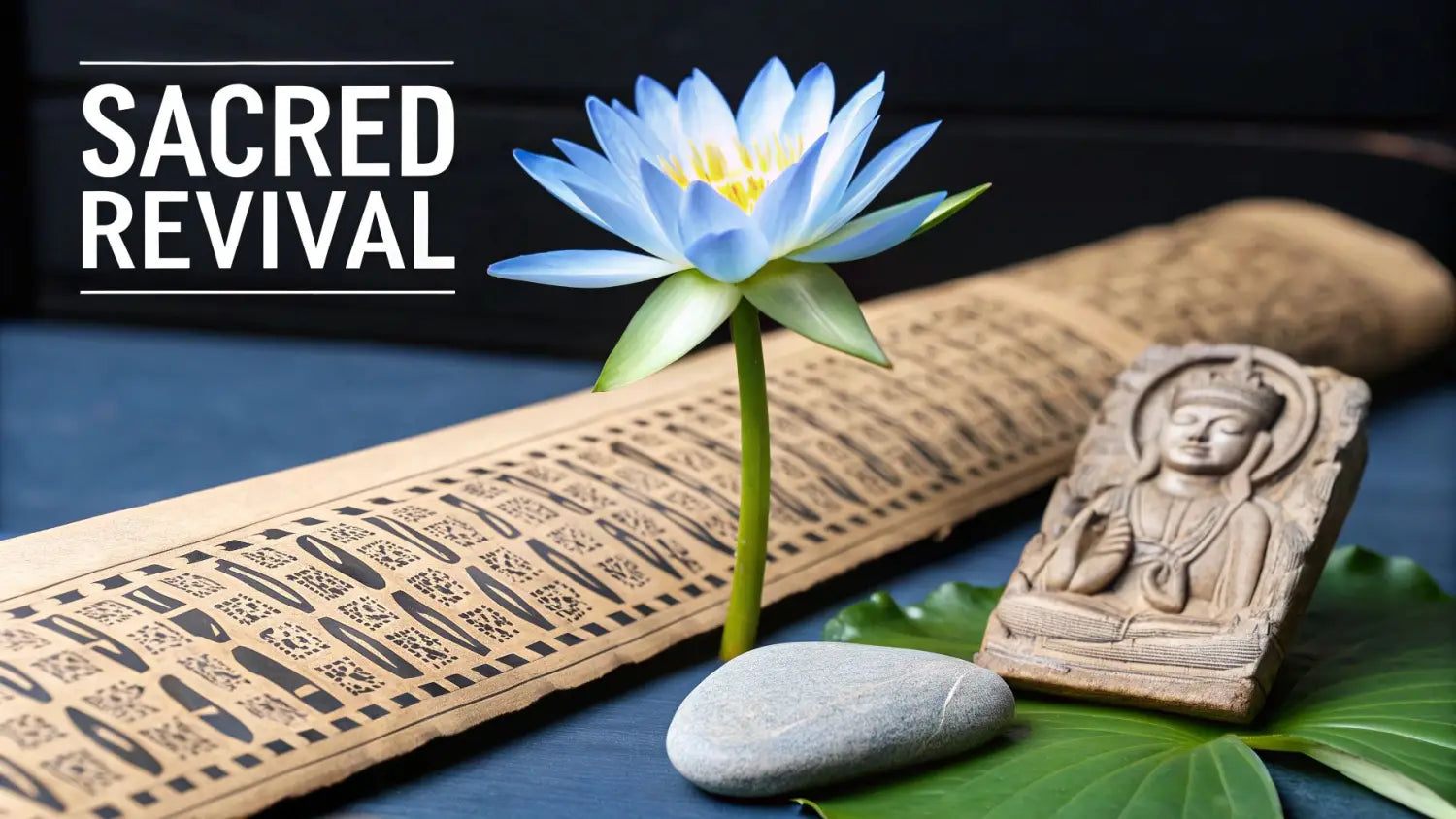
This sacred flower was a cornerstone of their spiritual and social life. You'll find depictions of blue lotus adorning temple walls, papyrus scrolls, and the tombs of pharaohs, often shown in ceremonial contexts. It was believed to connect the mortal world with the divine, offering a bridge to higher states of consciousness and peaceful euphoria during religious rituals.
From its divine status in Egypt, the influence of the blue lotus spread, finding its way into traditional Asian medicine and spiritual practices. Its calming properties were recognised and valued across cultures, cementing its place as a revered botanical. To really grasp its historical weight, it helps to understand the broader significance of the lotus flower in various global traditions.
From Ancient Symbol to Modern Wellness Tool
Fast forward to today, and the ancient reverence for blue lotus is experiencing a remarkable resurgence. In our fast-paced, always-on world, the search for authentic, natural ways to find balance and tranquility has led many of us back to this timeless flower. Its historical reputation for promoting calm and introspection aligns perfectly with modern wellness goals.
This modern revival isn't just about appreciating history; it's about practical, everyday application. People are discovering that the gentle effects of blue lotus can be a powerful ally in their daily self-care routines. It’s no longer confined to ancient rituals but has found a new home in quiet moments everywhere, from a city apartment to a suburban backyard.
This renewed interest is particularly strong within communities dedicated to mindful living. Across Australia's eastern states, the blue lotus has woven itself into our modern wellness culture, surging in popularity among yoga practitioners and meditators seeking its subtle, calming embrace. Since 2015, online searches for 'blue lotus tea Australia' have skyrocketed by 320%, a clear signal driven by wellness trends in herbal supplements. Local retailers have noted significant sales increases, with a large portion of buyers being professionals craving serenity amid their busy lives.
Why Blue Lotus Resonates Today
The connection between the past and present is crystal clear. The very same properties that made blue lotus sacred to the ancients are what make it so appealing to us now. It offers a gentle, natural way to disconnect from the noise and reconnect with ourselves.
The modern embrace of blue lotus is a testament to our innate need for practices that ground us. It serves as a reminder that the most profound wellness tools are often those that nature has provided all along, waiting patiently to be rediscovered.
Whether it’s used to deepen a meditation session on a zabuton meditation cushion or to simply unwind after a challenging day, the flower provides a sense of peace that feels both ancient and perfectly suited for modern life. Its ability to support relaxation makes it an ideal companion for anyone looking to cultivate a more mindful and centred existence. This is what makes the blue lotus such a truly special botanical in today's world of wellness.
Understanding the Benefits and Effects
The real magic of blue lotus is in its gentle, almost poetic, effects on the mind and body. It doesn't hit you like a tonne of bricks. Instead, its primary appeal is a subtle shift toward tranquillity and a softer, heightened awareness.
People often describe the experience not as some overwhelming change, but as a gentle unwrapping of tension. It feels like it creates space, allowing for a clearer, more peaceful way of being.
This calming nature is exactly why blue lotus has found its place in modern wellness routines. It offers a beautiful way to soften the sharp edges of a stressful day without making you feel fuzzy or disconnected. Far from numbing the senses, many find it actually awakens them, making it a unique tool for both deep relaxation and personal insight.
Promoting Calm and Easing Stress
One of the most cherished benefits of blue lotus is its remarkable ability to invite a profound sense of calm. The plant contains a couple of natural alkaloids, apomorphine and nuciferine, which are thought to gently interact with the nervous system to soothe anxiety and quiet a racing mind. It’s a wonderful companion for anyone looking to properly decompress after a long day.
Imagine that feeling of finally settling onto your meditation cushion after a particularly chaotic afternoon. Brewing a simple cup of blue lotus tea can help ease your mind out of that scattered, frazzled state and into one of focused stillness. This gentle calming effect is central to its appeal, offering a natural way to manage daily pressures and find your centre again.
The true gift of blue lotus is its ability to create mental space. It doesn't erase your challenges, but it can provide the calm you need to navigate them with greater clarity and composure.
This sense of peace isn't just a fleeting feeling, either. With regular use, it can help cultivate a more resilient response to stress over time, making it that little bit easier to maintain emotional balance. It’s really about fostering a foundation of tranquillity that you can carry with you throughout your day.
Enhancing Meditation and Introspection
For centuries, spiritual seekers have turned to blue lotus to deepen their meditative practices. Its effects are often described as mildly euphoric and psychoactive, creating a state of mind that is both deeply relaxed and keenly aware. This unique combination can make it much easier to slip into a meditative state and hold your focus there.
The flower is believed to help quiet the endless "mental chatter" that so often pulls us out of the moment during meditation. By calming the conscious, thinking mind, it allows for deeper introspection and a stronger connection to your inner self. This is a game-changer for anyone who struggles to sit still or feels their mind is just too busy to meditate effectively.
Think of it as turning down the volume on all the external noise so you can finally hear your own quiet thoughts. Whether you're practising mindfulness on a comfortable yoga mat or diving into a deep visualisation exercise, blue lotus can act as a gentle guide, helping you explore your inner world with more ease and curiosity. It's a powerful ally for spiritual growth and self-discovery.
Supporting Restful Sleep and Vivid Dreams
Another classic use of blue lotus is as a natural sleep aid. Its gentle sedative properties can help relax both the body and mind, paving the way for a more restful night. For those of us who find it hard to switch off before bed, a warm cup of blue lotus tea can be a beautiful ritual to signal to the body that it’s time to wind down.
The alkaloids in the plant are thought to help induce sleep without that heavy, groggy feeling you can get from other sleep aids. It works by gently easing you into slumber, promoting a sense of peace that can lead to deeper, more restorative rest. This is especially helpful for people whose sleep is often disturbed by stress or anxiety.
But it’s not just about falling asleep. Blue lotus is famously associated with enhancing the dream world. Many people report experiencing more vivid, memorable, and sometimes even lucid dreams after taking it. This ancient connection to the dream state is a huge part of its mystique, as it was believed to open doors to subconscious insights and spiritual messages.
For a quick look at its main applications, this table sums it up nicely.
Potential Wellness Benefits of Blue Lotus
Here's a snapshot of the primary wellness benefits linked to blue lotus, helping you quickly see how it might fit into your routine.
| Benefit Area | Description | Ideal For |
|---|---|---|
| Stress Relief | Induces a gentle sense of calm and relaxation, helping to ease anxiety and mental tension. | Unwinding after a demanding day, managing daily pressures, and promoting emotional balance. |
| Meditation Aid | Quiets mental chatter and enhances focus, allowing for deeper introspection and spiritual connection. | Individuals looking to deepen their meditation practice, enhance mindfulness, or support yoga flows. |
| Sleep Support | Promotes relaxation and helps calm a racing mind, making it easier to fall asleep naturally. | Anyone struggling with occasional sleeplessness due to stress or an overactive mind. |
| Dream Enhancement | Known to make dreams more vivid, memorable, and potentially lucid, opening a path to the subconscious. | Those interested in dream journaling, exploring their inner world, or lucid dreaming practices. |
As you can see, blue lotus offers a multi-faceted approach to well-being, touching on everything from daily stress to the deeper realms of sleep and meditation.
How to Prepare and Use Blue Lotus
Diving into the world of blue lotus is a simple and rewarding experience. This beautiful flower can be prepared in several ways, but the most cherished and accessible method is brewing it into a fragrant, calming tea. It’s a gentle preparation that allows you to fully appreciate its subtle flavours and relaxing properties.
Preparing blue lotus tea is a ritual in itself—a quiet moment to connect with an ancient botanical. The process is straightforward, requiring just a few simple steps to unlock the flower's tranquil essence.
Brewing the Perfect Cup of Blue Lotus Tea
Creating your own blue lotus tea is a beautiful way to wind down. Think of it less as a recipe and more as a mindful practice. The key is to use gentle heat to coax the delicate compounds from the petals without scorching them.
-
Measure Your Flowers: Begin with 1-2 whole dried flowers per cup of water. If you're looking for a stronger infusion, you can use up to 3 flowers. Quality is paramount, so starting with ethically sourced, premium dried blue lotus flowers ensures the best possible experience.
-
Heat Your Water: Bring fresh, filtered water to a near-boil, then let it cool for a minute or two. The ideal temperature is around 80-85°C. Water that is too hot can damage the delicate alkaloids and affect the flavour.
-
Steep with Patience: Place the flowers in your teapot or mug and pour the hot water over them. Allow the tea to steep for 5-10 minutes. A longer steep will result in a more potent brew, so feel free to adjust the time based on your preference.
-
Enhance and Enjoy: Strain the tea to remove the flower pieces. While the tea is lovely on its own, you can add a touch of raw honey or a squeeze of lemon to complement its earthy, floral notes. Sip slowly and mindfully, allowing its calming effects to wash over you.
This simple process transforms a few dried flowers into a cup of pure serenity, perfect for an evening of relaxation or before settling onto your meditation cushion.
A Modern Twist: Aromatic Diffusion
While tea is the most traditional method, you don't have to drink blue lotus to enjoy its calming atmosphere. In modern wellness, its essence is often used in aromatherapy to create a peaceful environment. Using a blue lotus essential oil in a diffuser can fill your space with a subtle, serene fragrance.
This infographic shows how blue lotus can support your wellness journey, from easing daily pressures to deepening your meditative state.
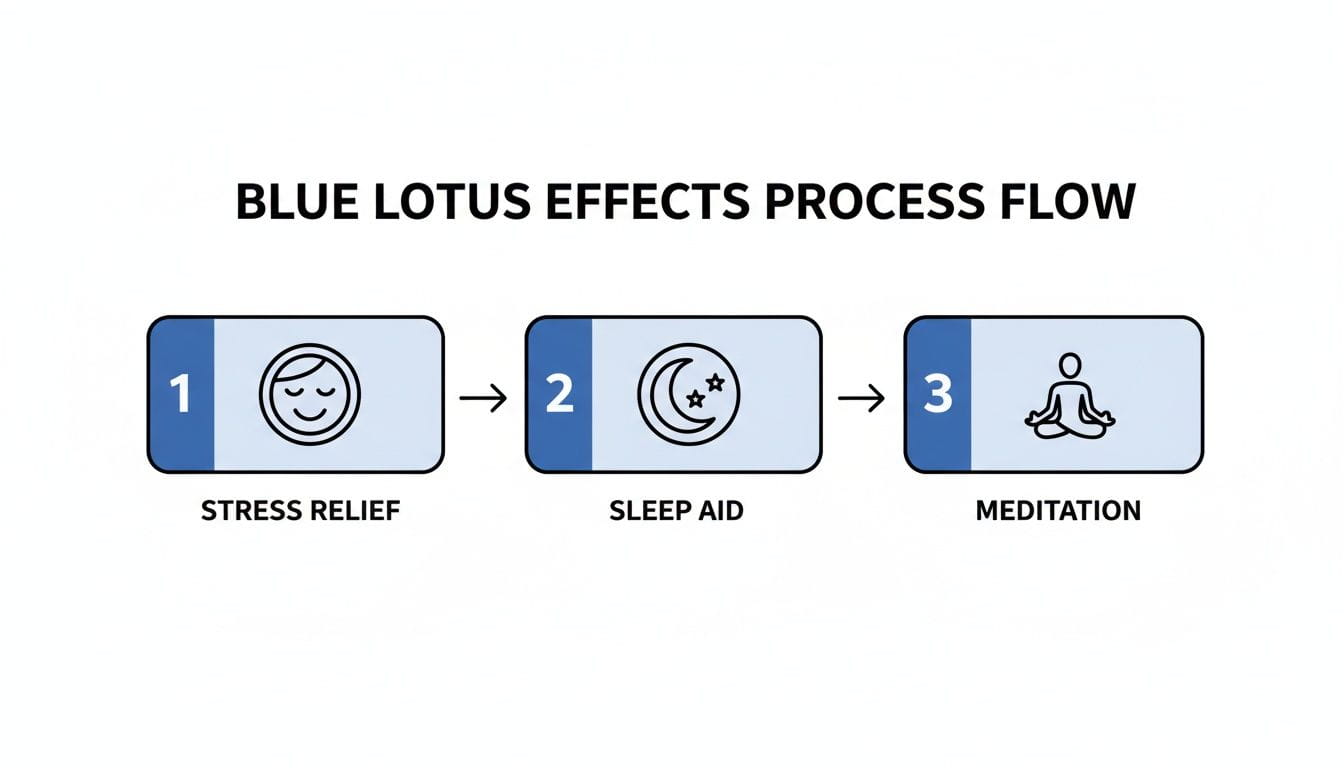
The visualisation clearly maps a path from stress relief and sleep support to enhanced meditation, illustrating the flower's holistic role in a balanced routine.
This method is ideal for setting a tranquil mood for yoga, meditation, or simply unwinding after a long day. An essential oil diffuser disperses the aromatic molecules into the air, allowing you to inhale the gentle scent and create a sanctuary of calm in your home. It’s an effortless way to integrate the flower's benefits into your daily life.
Other Traditional Preparations
Beyond tea and diffusion, blue lotus has been prepared in other ways throughout history. While less common today, these methods highlight the flower's versatility and deep cultural roots.
-
Wine Infusion: The ancient Egyptians famously steeped blue lotus flowers in wine. This method was believed to combine the relaxing effects of both, creating a euphoric beverage reserved for ceremonies and celebrations. The alkaloids in blue lotus are alcohol-soluble, which made this a particularly effective preparation.
-
Smoking or Vaping: The dried flowers and petals can also be smoked or vaporised, either alone or blended with other herbs. This method delivers the effects more rapidly than ingestion but is also more intense. It’s a practice rooted in shamanic traditions for achieving altered states of consciousness.
Regardless of the method you choose, the key to a positive experience with blue lotus is intention. Approaching its use with mindfulness and respect for its history deepens its value as a wellness tool.
Whether you prefer a warm, soothing cup of tea or the ambient fragrance from a diffuser, preparing blue lotus is an invitation to slow down. It’s an opportunity to create a small, meaningful ritual that nurtures your mind and body. This simple act of preparation can be just as beneficial as the effects of the flower itself, grounding you in the present moment.
Creating Your Own Blue Lotus Rituals
Turning a simple cup of blue lotus tea into a meaningful ritual is all about carving out intentional moments of peace in your day. It’s not just about what’s in your cup, but the quiet space you create around it. This simple shift can transform a routine into a deeply restorative experience, anchoring you in your wellness journey.
When you consciously pair blue lotus with other calming activities, you amplify its gentle, relaxing effects. You're sending a clear signal to your mind and body that it's time to slow down, release the day's tension, and reconnect with your inner self.
Crafting a Mindful Meditation Ritual
One of the most powerful ways to work with blue lotus is to deepen your meditation practice. Its beautiful ability to quiet mental chatter makes it the perfect companion for moments of stillness. Creating a ritual that combines the two can truly elevate your experience.
Start by preparing your space. Unroll your favourite yoga mat, set out your zabuton meditation cushion, and brew a warm, fragrant cup of blue lotus tea. The act of preparation itself becomes part of the meditation.
The goal of a blue lotus ritual is to build a bridge between your outer world and your inner sanctuary. Each step, from brewing the tea to settling onto your cushion, is an act of mindfulness that prepares you for deeper introspection.
As you sip your tea, bring your full attention to its warmth and earthy, floral aroma. Let it be the anchor that brings you into the present moment before you close your eyes. This simple act can make it so much easier to find your focus and sink into a state of profound calm.
For those looking to add another sensory layer, incorporating sound can be incredibly effective. You can learn more about this in our guide to using a meditation chime bowl to clear your space and set the tone.
Integrating Blue Lotus into Your Active Life
The calming properties of blue lotus aren’t just for quiet stillness; they can also perfectly complement an active lifestyle. Integrating it into your pre-yoga or post-workout routine creates a beautiful balance of energy and relaxation, enhancing both your movement and your recovery.
Imagine this:
- Pre-Yoga Calm: Enjoy a light cup of blue lotus tea about 30 minutes before stepping onto your mat. This can help you leave the day's stress behind and approach your practice with a clear, focused mind, allowing you to move through your flow with greater intention.
- Post-Workout Recovery: After a tough session or a refreshing plunge into a portable ice bath, a warm blue lotus infusion can help soothe your nervous system. This supports the body’s natural recovery process, easing muscle tension and promoting a feeling of total-body relaxation. Consider adding a scoop of protein powder to your post-workout shake alongside your tea for optimal muscle repair.
Beyond the flower itself, understanding the use of mala beads can offer another layer of depth to your blue lotus rituals, especially if you're using it to aid in focused meditation and intention-setting.
Finally, you can create a complete sensory sanctuary by pairing your tea with an essential oil diffuser. The combination of a calming aroma and a warm, soothing beverage establishes an atmosphere of pure tranquillity, making it the ideal way to unwind in the evening and prepare for a night of deep, restorative sleep.
A Word on Safe Use and Respect for Nature
Dipping your toes into the calming waters of blue lotus is a beautiful journey, but it’s one that should always start with a sense of mindfulness and respect. To ensure your experience is a safe and positive one, the golden rule is simple: start low and go slow. Everyone’s body is unique, and the best way to find what works for you is to listen to the signals it sends.
If you’re new to blue lotus, try steeping a single dried flower in a cup of hot water. Think of it as a gentle handshake, a way to introduce the plant to your system and see how you feel. Pay close attention, and only consider increasing the amount over time if you feel completely comfortable. This mindful approach helps you avoid feeling overwhelmed and builds a more conscious connection with the flower.
Potential Side Effects and Precautions
While blue lotus is generally considered quite mild, it can have some side effects, especially if you have a bit too much. Some people might experience a little nausea, dizziness, or a slight shift in perception. These feelings are usually temporary, but they're a clear sign from your body to ease back on the amount you're using.
It’s also really important to know when to steer clear. If you are pregnant, breastfeeding, or taking prescription medications—particularly things that affect the central nervous system like sedatives or antidepressants—it’s best to chat with your healthcare provider first. The same advice applies if you are taking other wellness products like Teelixir nutrition supplements; it's always wise to check for potential interactions. Mixing blue lotus with alcohol or other psychoactive substances is also a bad idea, as it can amplify its effects in unpredictable ways.
An Ethical Connection to Nature
Part of respecting this beautiful flower means understanding its role in our local environment. Here in eastern Australia, Nymphaea caerulea is known both as a stunning ornamental plant and, in some areas, a bit of a problem. Originally from Africa, it has become an environmental weed in parts of Queensland and New South Wales, where it can form dense mats in waterways, crowding out native plants and harming biodiversity. You can find more information about its ecological impact from local weed management authorities.
This is why being a conscious consumer matters so much. When we choose ethically sourced blue lotus products, we make sure our own wellness practices aren't harming the delicate balance of nature. This kind of mindful sourcing builds a deeper, more harmonious connection, allowing you to enjoy the flower’s gifts while honouring the world it comes from. It ensures your path to tranquillity is also a path of respect.
Got Questions About Blue Lotus?
It's completely normal to have questions when you're exploring a new botanical like blue lotus. To help you feel more comfortable and in the loop, we've put together some answers to the queries we hear most often.
Is Blue Lotus Legal in Australia?
Yes, it is. In Australia, blue lotus (Nymphaea caerulea) is legal to buy, grow, and use for your own personal rituals. It isn't considered a controlled substance, so you can easily find it for teas, aromatherapy, and your wellness practices.
That said, it's always a good idea to buy from a supplier you trust to make sure you're getting the real deal.
How Long Do the Effects of Blue Lotus Last?
This really depends on how you prepare it and your own body's metabolism. If you're drinking it as a tea, you'll likely feel a gentle, calming sensation creep in after about 20 to 30 minutes. These feelings usually linger for a couple of hours.
Most people describe it as a subtle shift into a state of peace, not an intense or overwhelming experience. This makes it perfect for winding down in the evening or getting into the right headspace before meditation.
Can I Use Blue Lotus Every Day?
Even though blue lotus is known for being quite mild, it’s always best to approach it with a bit of mindfulness. Many people love making it part of their nightly routine to relax and de-stress, but the most important thing is to listen to your body.
If you're just starting out, maybe try it a few times a week first. See how it feels for you before you decide to make it a daily thing.
What Does Blue Lotus Taste and Smell Like?
Blue lotus has a really lovely and distinct sensory profile that's quite unique.
- Aroma: When you smell the dried flowers, you'll notice a rich, earthy, and slightly sweet floral fragrance. If you use it as an essential oil in a diffuser, it fills the room with a wonderfully calming and exotic scent.
- Taste: The flavour of the tea is surprisingly delicate. It has an earthy foundation with soft floral hints and a tiny touch of bitterness, which most people find really pleasant and soothing. A little bit of honey goes beautifully with its natural taste. For a different taste experience, some people enjoy it alongside a cup of earthy matcha powder tea.
Ready to create your own calming ritual? Explore our ethically sourced, premium blue lotus flowers at Wellness Apothecary and discover a timeless path to tranquility.


