


The blue lotus flower, known in botanical circles as Nymphaea caerulea, is a stunning water lily that’s been cherished for centuries, celebrated for its gentle, calming nature and deep spiritual roots. While its story often begins in ancient Egypt, this beautiful plant is finding new life in the modern world as a natural ally for relaxation, meditation, and stress relief. More and more people are turning to it to cultivate a little pocket of tranquillity in their daily wellness rituals.
An Ancient Flower for Modern Wellness
Imagine a flower so treasured it was woven into the very fabric of an ancient civilisation, becoming a symbol of creation, the sun, and rebirth. For thousands of years, the blue lotus held a sacred spot in Egyptian culture. You can see it in their art, find traces of it in ceremonial practices, and hear stories of its power to soothe the mind and open the spirit. This deep historical reverence isn't just a fascinating footnote; it’s the very foundation of its growing popularity today.
In our non-stop world, finding moments of genuine calm feels more vital than ever. The blue lotus flower acts as a gentle bridge to that stillness. Its subtle effects are thought to come from natural compounds that encourage a state of serene awareness, making it a perfect companion for anyone looking to deepen their connection with themselves. Whether you're unwinding after a hectic day or settling into meditation on one of our comfortable zabuton meditation cushions, this flower helps set the right tone.
What Makes Blue Lotus Special
The real appeal of the blue lotus flower lies in its versatility and its gentle yet profound effects. It’s not an overwhelming experience, but more of a gentle guide towards a more relaxed state of being. This makes it an easy and beautiful addition to a holistic wellness routine that might already include mindfulness, yoga, or other natural supplements.
Its comeback aligns with a wider shift towards natural, plant-based solutions for wellbeing. People are actively seeking ways to manage stress and enrich their sensory experiences without reaching for harsh chemicals. The blue lotus fits perfectly into this philosophy, offering a tangible connection to ancient wisdom through simple, accessible rituals.
The modern resurgence of the blue lotus flower highlights a collective desire for practices that ground us. Its ability to calm the nervous system and enhance meditative states makes it a timeless tool for achieving inner balance.
Integrating Blue Lotus into Your Life
One of the loveliest things about blue lotus is how easily it weaves into personal rituals. Many people enjoy it as a fragrant, calming tea, letting its soothing properties wash over them. Others prefer to use it for aromatherapy, placing the dried flowers in one of our elegant essential oil diffusers to fill their space with its tranquil scent. It’s a wonderful way to create an ideal environment for a yoga session on one of our eco yoga mats.
By understanding its botanical identity and rich cultural history, you can really start to appreciate why the blue lotus has been a cherished tool for tranquillity for millennia. It’s more than just a flower; it’s a pathway to peace, a symbol of rebirth, and a beautiful addition to any journey toward greater wellbeing. Feel free to explore the collections at our online wellness store to find products that complement your practice.
A Journey Through Ancient History and Culture
The story of the blue lotus isn’t just about botany; it's a deep dive into the heart of ancient civilisations. To really get why it’s so popular today, we have to travel back more than 3,000 years to ancient Egypt. There, this mesmerising water lily was so much more than a pretty plant—it was a divine symbol, a ritual tool, and a core part of daily and spiritual life.
Blue lotus has a rich and storied past, but its most profound cultural roots are sunk deep in ancient Egyptian soil. It was cultivated all along the fertile banks of the Nile, where it was held in divine status and used in countless spiritual ceremonies. This reverence shows just how tightly the plant was woven into their civilisation, touching everything from medicine and spirituality to art. You can find more historical background on its Wikipedia page.
A Symbol of Creation and Rebirth
The ancient Egyptians were sharp observers of the natural world, and the daily cycle of the blue lotus flower completely captured their imagination. Every evening, its petals would close and sink below the water’s surface, only to reappear with the morning sun and bloom once again. It was the perfect natural metaphor for their understanding of creation, death, and resurrection.
Because of this, it became a powerful symbol for the sun god, Ra, who was believed to have been born from a lotus at the very beginning of time. This connection made the flower a central motif in Egyptian art and mythology, representing the eternal cycle of life and the promise of rebirth in the afterlife. You’ll see it everywhere—in tomb paintings, carved onto temple walls, and held in the hands of pharaohs and gods, a constant reminder of divine power and regeneration. This symbolism can inspire a similar sense of renewal in our own lives, perhaps during a mindful yoga session on one of our sustainable yoga mats.
The Flower of Divine Connection
But blue lotus wasn’t just a symbol; it was an active part of Egyptian rituals. The ancients believed it had properties that could bring on states of heightened awareness, deep tranquility, and even a mild sense of euphoria. They often infused it in wine, drinking it during religious ceremonies and celebrations to feel closer to the divine.
This sacred use is exactly why the flower was so revered. It wasn’t just something to be looked at; it was something to be experienced. Its effects were thought to quiet the mind and open the spirit, making it an essential tool for priests and royalty who were seeking deeper spiritual insight. This ancient desire for a serene state of mind is precisely what draws people to it today for meditation, often while resting on a comfortable meditation cushion.
The historical use of the blue lotus flower in rituals aimed at transcending the ordinary world provides a powerful context for its modern applications. The same desire for connection and inner peace that drove the ancients inspires its use in today's wellness practices.
The legacy of the blue lotus is a testament to its enduring allure. The very qualities that made it sacred thousands of years ago—its ability to calm, soothe, and elevate the spirit—are the same ones that wellness seekers value today. It's a beautiful reminder that while our worlds couldn't be more different, the human desire for peace and connection hasn't changed a bit. Exploring our Teelixir nutrition supplements can also support this journey toward inner balance.
Understanding Its Benefits and Active Compounds
To really get what the blue lotus flower is all about, we have to look past its incredible history and dive into what actually makes it work. That gentle, calming feeling the ancient Egyptians revered and modern wellness lovers seek isn't just a myth—it's grounded in the plant's unique chemistry. At its heart, the flower's magic comes down to two key active compounds, known as alkaloids: apomorphine and nuciferine.
Think of these alkaloids as the plant’s in-house relaxation team. Each one has a distinct job, but they work together beautifully to create the subtle yet profound experience blue lotus is famous for. Understanding them gives us a clear, scientific reason for the flower's long-standing reputation.
The Role of Apomorphine and Nuciferine
Apomorphine is fascinating because of how it interacts with our dopamine receptors. While it's not dopamine itself, it can gently stimulate these receptors, which are linked to feelings of pleasure, motivation, and happiness. This little nudge helps explain the mild euphoria and quiet contentment many people feel after enjoying blue lotus. It’s a similar kind of serene satisfaction you might find after a deep meditation session on one of our plush zabuton meditation cushions.
Nuciferine, on the other hand, works a bit differently. It’s the compound responsible for the flower's deeply soothing and antispasmodic qualities. It’s thought to help calm the mind and relax the body's muscles, making it a wonderful ally for anyone needing to unwind physically and mentally. This is exactly why a warm cup of blue lotus tea can feel so deeply comforting after a long day or a tough session on one of our non toxic yoga mats in Australia.
This summary highlights the blue lotus flower's deep-rooted significance in ancient Egyptian culture.
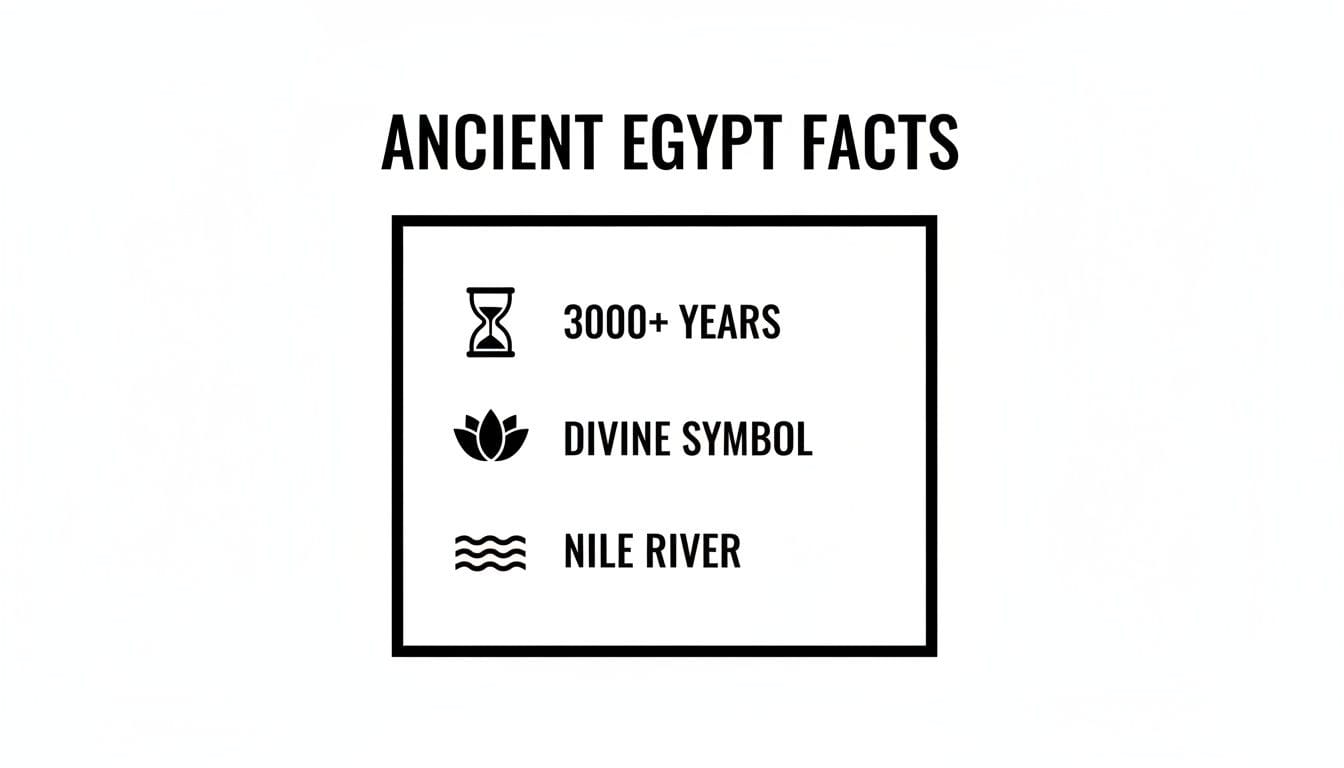
The infographic powerfully illustrates how the flower was interwoven into Egyptian society for millennia, symbolising divinity and life itself along the Nile.
Connecting Compounds to Core Benefits
It’s the synergy between apomorphine and nuciferine that makes blue lotus such a brilliant, well-rounded botanical for modern wellness. This natural combination is directly linked to its most celebrated benefits.
- Stress and Anxiety Relief: The calming influence of both alkaloids helps to quiet a racing mind and soothe the nervous system, making it easier to let go of the day's worries.
- Enhanced Meditation: By encouraging a state of relaxed awareness, blue lotus can help deepen your meditation practice, allowing for greater focus and a more profound sense of inner quiet.
- Natural Sleep Aid: For centuries, it has been used to welcome restful sleep. Its ability to relax both mind and body makes it an ideal addition to an evening wind-down routine, especially when paired with a calming scent from our essential oil diffusers.
- Mood Elevation: That gentle dopamine receptor activity from apomorphine can lead to a subtle lift in your mood, fostering a feeling of positivity and openness.
By understanding the science, we can see that the benefits of blue lotus are not just folklore. Its chemical makeup provides a tangible reason for its enduring reputation as a plant that supports tranquillity and emotional balance.
Bringing blue lotus into your wellness routine can be a beautiful way to support your overall state of being. It works wonderfully alongside other practices aimed at stress reduction, like sipping on a warm cup of matcha green tea powder for mindful energy or taking high-quality supplements from our Teelixir collection for targeted nutritional support.
How to Use Blue Lotus in Your Wellness Rituals
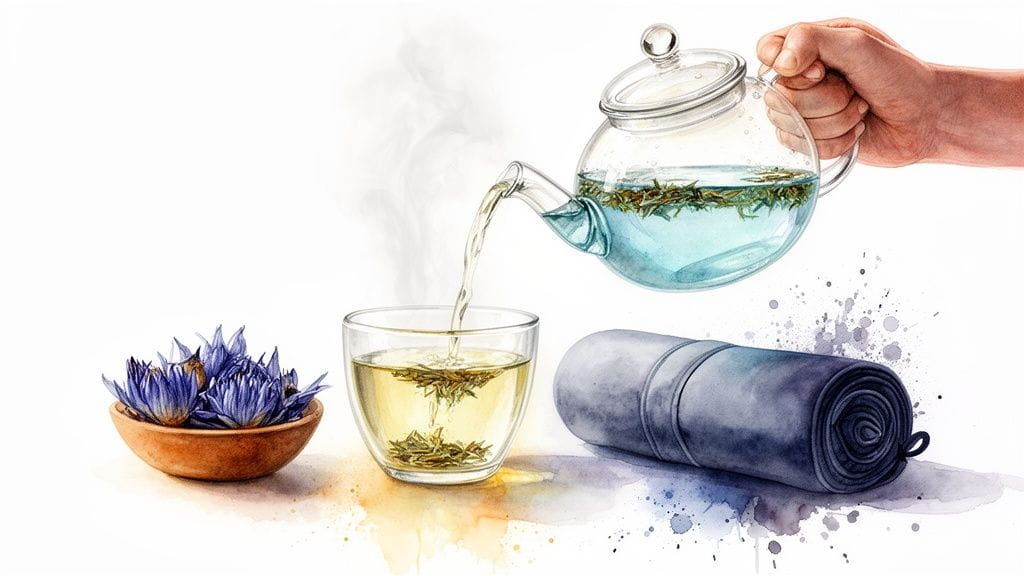
Bringing blue lotus into your life is less about following a rigid recipe and more about creating a personal, meaningful ritual that helps you find a sense of calm and connection. This ancient flower can be enjoyed in so many ways, letting you weave it into your daily routine to meet your own wellness goals.
Whether it’s a soothing evening tea or a fragrant touch to your meditation space, blue lotus can become a beautiful part of how you care for yourself. The key is to move with intention. Instead of just consuming it, think about crafting an entire experience around it. This simple shift in mindset turns a basic act into a powerful ritual, amplifying its benefits for your mind and body.
Brewing a Soothing Blue Lotus Tea
One of the easiest and most popular ways to connect with blue lotus is by brewing a gentle, fragrant tea. It’s a simple process that lets you fully appreciate the flower's delicate flavour and calming nature, making it the perfect companion for winding down in the evening or taking a quiet moment for yourself.
To get started, you’ll want about 3–5 grams of dried blue lotus flowers for each cup. You can use whole flowers, but gently crushing them first helps release more of their active compounds and subtle aroma.
Step-by-Step Tea Ritual:
- Heat Your Water: Bring fresh, filtered water to just below boiling, around 80-90°C. Water that’s too hot can damage the delicate compounds in the flower and leave you with a bitter taste. For the purest brew, consider using water from our range of chemical free water filters.
- Steep with Patience: Place your dried flowers in a teapot or infuser and pour the warm water over them. Let it all steep for 5–10 minutes, depending on how strong you’d like the brew.
- Savour the Moment: Pour the tea into your favourite mug. While you can add a touch of honey or a squeeze of lemon, many people prefer it just as it is to enjoy its pure, earthy notes.
Try pairing this ritual with journaling or some quiet contemplation to really deepen the experience. For a more detailed guide on getting your brew just right, check out our complete article on how to make Blue Lotus tea.
Creating Aromatic Experiences
Beyond a cup of tea, the enchanting scent of blue lotus can create an incredibly tranquil atmosphere. Aromatherapy is a powerful way to shift the energy of a room and signal to your mind that it’s time to relax, making it an ideal partner for meditation, yoga, or any practice that calls for focus and calm.
A Blue Lotus ritual is an invitation to slow down. Whether through tea or scent, it encourages you to be present, transforming a simple moment into a deeply restorative practice that supports your nervous system.
You can simply float a few dried flowers in a bowl of hot water to gently release their fragrance. For a more consistent and lasting scent, try placing some dried petals in an essential oil diffuser with water to fill your room with a calming aroma before you settle onto your yoga mat. This practice helps to cleanse your space and prepare your mind for stillness. If you're interested in using botanical scents for relaxation, learning how other essential oils for better sleep are used can give you even more ideas for your evening rituals.
Ancient Infusions for Modern Relaxation
Taking a page from the ancient Egyptians, another way to experience blue lotus is by infusing it into wine or another spirit. Historically, this method was used in ceremonies to encourage a state of relaxed euphoria and social connection. The alcohol acts as a solvent, extracting the alkaloids from the flower more effectively than water alone.
To try it yourself, simply soak a handful of dried blue lotus flowers in a bottle of wine—a light white wine is often a great choice—for several hours, or even up to a few days. The longer it infuses, the more potent it will become. This approach is best reserved for a relaxed evening with friends or a special occasion where you want to foster a unique, serene atmosphere. Just remember to enjoy it responsibly as you connect with an ancient tradition of celebration and elevated consciousness.
Sourcing Safety and Legal Status in Australia
When you start exploring botanicals like the blue lotus flower, it's really important to think about safety and understand the rules here in Australia. As you bring this ancient plant into your wellness rituals, making sure you source high-quality products from suppliers you can trust is key. This helps make sure your experience is not just calming, but also completely safe and responsible.
It all begins with where you get it from. The quality of dried blue lotus flowers can be all over the place, and that affects everything from its beautiful aroma to its purity. When you're looking for a supplier, always put transparency and quality first. You want to know you're getting a product that’s clean, grown ethically, and free from any nasties.
What to Look for in a Quality Supplier
Choosing the right supplier is probably the most important step you'll take to enjoy blue lotus safely. Here are a few things that really matter:
- Organic Cultivation: Flowers grown without synthetic pesticides or fertilisers are just cleaner and purer. This is especially important if you’re planning to use it for tea or aromatherapy.
- Purity and Freshness: Try to find suppliers who offer vibrant, whole flowers, not ones that have been crushed into dust. Freshness is a huge deal because it means all those delicate aromatic compounds are still intact.
- Supplier Reputation: Go with a brand that's open about its sourcing and has a genuine focus on wellness, like our range of dried blue lotus flowers here at Wellness Apothecary.
It can also be helpful to familiarise yourself with some general health and safety guidelines when researching any new botanical product.
Dosage Guidelines A Mindful Approach
When you’re trying blue lotus for the first time, the golden rule is always to start low and go slow. Everyone's body reacts differently, and this gentle approach lets you tune in and see how it feels for you personally.
For a lovely, mild blue lotus tea, a good starting point is around 3–5 grams of dried flowers per cup. That's usually enough to feel the subtle, calming effects without it being too much. The most important thing is to listen to your body; you can always adjust the amount for future rituals once you know how sensitive you are.
The Legal Status in Australia
It's vital to get your head around the local regulations for blue lotus in Australia. At the moment, Nymphaea caerulea is legal to purchase, possess, and grow for ornamental and aromatic purposes.
However, it has not been approved for human consumption by the Therapeutic Goods Administration (TGA). This means that while you can legally buy the dried flowers, they're sold with the intention of being used for things like aromatherapy, ritual baths, or simply as a beautiful botanical to have at home. When you source from a reputable wellness store, you know you're getting a product intended for these exact purposes.
An Important Ecological Note
While we cherish the blue lotus for its beauty, it's also become a bit of an environmental issue in some parts of Australia. The species is now classified as an environmental weed in Queensland and New South Wales because it has escaped from gardens and started growing wild in freshwater habitats.
This is a great reminder of how important it is to cultivate it responsibly if you decide to grow your own. It's all about appreciating these amazing botanicals while also doing our part to protect our local ecosystems.
Creating Synergistic Wellness Pairings
The real magic of blue lotus happens when you weave it into your wider wellness routine, creating a synergy that deepens its calming effects. It’s not just about one single action, but about building a complete sensory ritual that supports your mind and body from all angles. This approach turns a simple cup of tea or a fragrant aroma into a powerful anchor for your wellbeing.
By mindfully pairing blue lotus with other practices, you can create rituals that are both deeply personal and wonderfully effective. The idea is to layer different experiences, allowing each element to work together to enhance relaxation, sharpen your focus, or support physical recovery.
Calm Focus and Mindful Energy
Imagine starting your morning not with a jolt of caffeine, but with a gentle, focused energy that carries you through the day. This is where the beautiful synergy of blue lotus and matcha comes in.
Brewing a bowl of our ceremonial grade matcha green tea powder gives you a dose of L-theanine, an amino acid famous for promoting calm alertness. When you pair this with the serene scent of blue lotus from one of our essential oil diffusers, you create an atmosphere that's perfectly primed for both productivity and peace. It’s an ideal combination for a mindful start to your workday or a focused creative session.
Deepening Your Meditation Practice
For centuries, blue lotus has been a trusted friend to those seeking stillness, helping to quieten the endless stream of thoughts. You can take this practice to the next level by creating a dedicated ritual that prepares your space and your mind.
Before you start, get comfortable on one of our meditation cushions to signal to your body it’s time to relax. Sip a warm, mild blue lotus tea about 20 minutes before you sit. As you settle in, the flower’s gentle effects will begin to unfold, making it easier to drop into a state of deep focus. If you're building a new routine, our guide on how to meditate at home for beginners has some great tips to get you started.
Pairing blue lotus with a physical anchor like a meditation cushion and a dedicated space transforms your practice. It signals to your body and mind that it's time to let go, allowing you to go deeper into your meditative state.
Enhancing Physical Recovery
Blue lotus also has wonderful benefits for physical relaxation, making it a perfect partner for your recovery routine. Its soothing properties can help ease muscle tension and calm the nervous system after a tough workout or a long day.
Think about the powerful combination of cold and warmth. After a challenging session in one of our portable ice baths to help reduce inflammation, follow it up with a warm blue lotus tea. This pairing soothes the body from the inside out, promoting a profound sense of relaxation. It also works beautifully with a post-workout shake made with our clean vegan protein powder, supporting muscle repair while your mind finds its calm.
Your Blue Lotus Questions, Answered
To help you feel completely comfortable on your journey with this ancient botanical, we've gathered some of the most common questions we hear about blue lotus. Think of this as a quick guide to clear up any lingering curiosities and build on what you've already learned.
What Does the Blue Lotus Flower Feel Like?
Most people describe the experience as a gentle wave of euphoria and deep relaxation, rather than an intense psychoactive event. You might feel a pleasant sense of tranquillity, calm, and a subtle heightening of your sensory awareness. It often leaves people feeling more open, sociable, or connected to their surroundings.
When used before meditation on one of our supportive yoga mats, many find it helps to quiet the mental chatter and sink deeper into their practice. The effects can certainly vary depending on the person, dosage, and how it’s consumed, but the consistent theme is a serene feeling of relaxation for both body and mind.
Is Blue Lotus Flower Legal in Australia?
Yes, in Australia, it is completely legal to purchase, possess, and grow the blue lotus flower (Nymphaea caerulea) for ornamental, aromatic, or ritualistic use.
However, a key point to understand is that it is not approved for human consumption by the Therapeutic Goods Administration (TGA). This means that while you can legally buy the dried flowers, they are not sold with the intention of being eaten or drunk. It's vital to source your blue lotus from a trusted supplier that provides high-quality products for these intended purposes, like those in our curated Blue Lotus collection.
Can You Mix Blue Lotus With Other Herbs?
Absolutely. Blue lotus blends beautifully with other botanicals, allowing you to create teas tailored to your specific wellness goals.
For deeper relaxation, it pairs wonderfully with calming herbs like chamomile or lavender. A blend like this makes a perfect bedtime brew to enjoy after a restorative session with your yoga blocks and bricks. If you're looking for a gentle mood lift, consider mixing it with damiana or rose petals. As with any herbal blend, it’s always a good idea to start with small amounts to see how the flavours and effects combine. We suggest trying pure blue lotus first to appreciate its unique character before you begin experimenting.
How Long Do the Effects of Blue Lotus Last?
The duration of blue lotus effects typically ranges from 1 to 3 hours. This can depend on the method of consumption, the dosage, and your own individual metabolism.
When enjoyed as a tea, the effects usually begin to surface within 20-30 minutes and then gently fade over the next couple of hours. The experience is generally quite subtle and manageable, making it perfect for a relaxing evening or a dedicated meditation session without causing any prolonged impairment.
Always start with a low dose to gauge your personal response time and duration. This mindful approach ensures a comfortable and positive experience as you explore what this remarkable flower has to offer. For other wellness tools, from activewear to Pilates accessories and straps, feel free to explore our full range of offerings.
At Wellness Apothecary, we believe in the power of ancient botanicals to support modern wellbeing. Our carefully sourced blue lotus flowers are perfect for creating your own calming rituals, from aromatic baths to tranquil teas. Discover the serene potential of this timeless flower and elevate your wellness journey today.


