


If you want to build a comfortable and sustainable meditation practice, a dedicated cushion for meditation is the single most important tool you can have. It’s far more than just a simple pillow; it provides the specific ergonomic support needed to align your spine, ease strain on your joints, and quieten the physical distractions that keep pulling you out of the moment.
Think of it as the foundation for your practice. Without a solid foundation, everything else feels wobbly.
Why the Right Cushion Is Your Meditation Game Changer
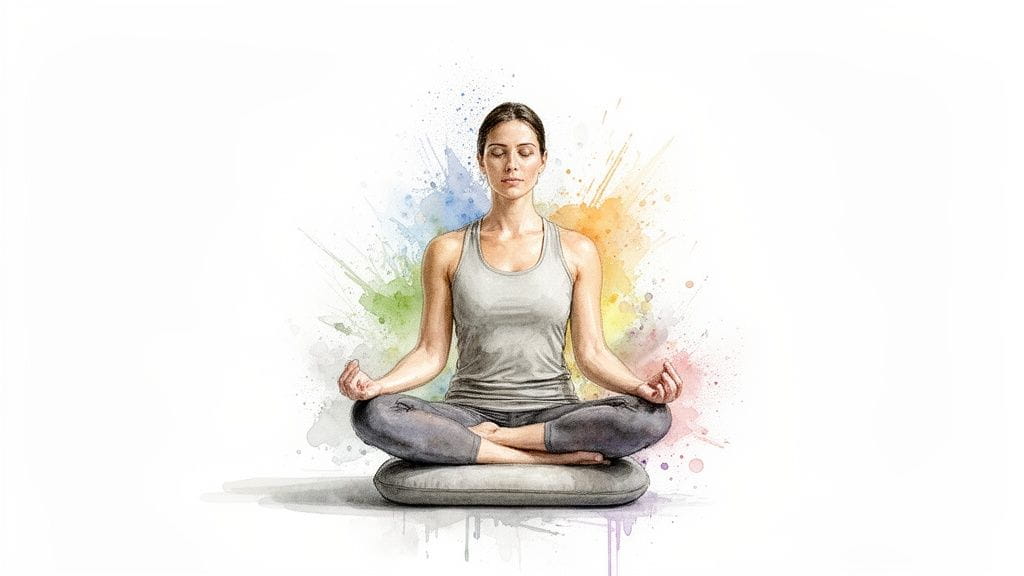
If you’ve ever tried meditating directly on the floor, you know the struggle all too well. The nagging ache in your lower back, the pins and needles creeping into your feet, or that constant urge to shift your weight. These aren't just minor annoyances—they're major roadblocks on your path to mindfulness.
The secret to overcoming these hurdles isn’t about forcing yourself to endure the pain; it's about fixing your posture. This is where a proper meditation cushion becomes an absolute game-changer. Its main job is to lift your hips just enough so they can tilt slightly forward. This one simple adjustment creates a natural, gentle curve in your lower spine, which is the key to sitting upright comfortably for longer stretches of time.
The Science of Supportive Seating
When your spine is properly aligned, your body can finally relax into the practice. Here’s what’s happening behind the scenes:
- Reduced Muscle Strain: Your skeleton does the heavy lifting, allowing your core, back, and shoulder muscles to relax instead of tensing up to hold you upright.
- Improved Circulation: Lifting your hips takes the pressure off the main arteries in your legs, which helps prevent that all-too-familiar numbness and tingling.
- Deeper Breathing: An open, upright chest gives your diaphragm the space it needs to move freely. This encourages deeper, more rhythmic breathing—a natural anchor for your focus.
A good cushion transforms your meditation from a test of physical endurance into a state of supported ease. It acts as the bridge between physical stability and mental stillness, allowing you to turn your full attention inward.
Building a Lasting Practice
Ultimately, the incredible benefits of meditation come from consistency. A simple tool that eliminates pain and fidgeting makes you far more likely to show up for yourself day after day. This is why investing in one of our curated meditation cushions isn’t just about comfort—it's about committing to your wellbeing.
And it seems many Australians agree. The demand for meditation cushions is surging, reflecting a nationwide embrace of mindfulness practices. In fact, the market is projected to reach USD 138.03 million, driven by people seeking better ergonomic support for their practice.
You can learn more about this growing wellness trend right here. This small addition to your routine can make a monumental difference, something we explore further in our guide to the scientific benefits of meditation.
Understanding Zafu Cushions and Zabuton Mats
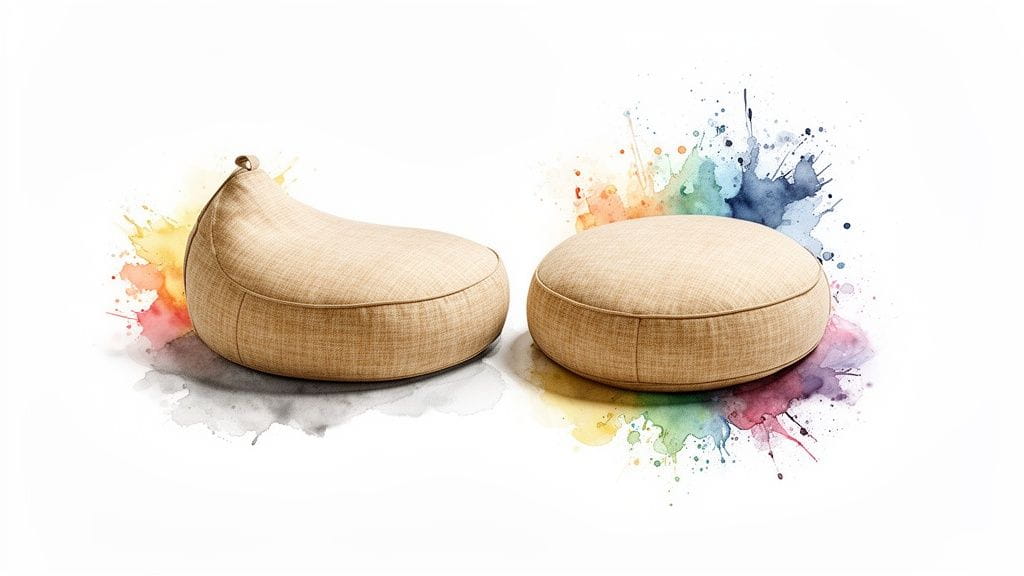
When you start exploring meditation props, you'll quickly come across two key terms: Zafu and Zabuton. It’s easy to get lost in the new vocabulary, but the idea behind them is beautifully simple.
Think of the Zafu as the throne and the Zabuton as its royal carpet. This powerful duo works together to create the gold standard of ergonomic support for any seated practice. While you can certainly use a Zafu on its own, especially on a softer surface, pairing them unlocks a whole new level of sustained comfort.
The Zafu: Your Posture Powerhouse
The Zafu is the firm, usually round or crescent-shaped cushion for meditation that you sit directly on. Its one job? To elevate your hips. This simple lift is the secret sauce for good posture, allowing your pelvis to tilt forward just enough to create a natural, healthy curve in your lower back.
Without this little bit of height, your hips tend to roll backward, causing your spine to slump into a rounded "C" shape. This posture quickly leads to back pain and muscle strain, making it almost impossible to focus on your breath. The Zafu provides that stable, supportive base you need to maintain an effortless, upright spine.
The Zabuton: Your Joint Protector
The Zabuton is the large, flat, padded mat that lies beneath the Zafu. While the Zafu takes care of your spinal alignment, the Zabuton’s job is to protect your joints from the hard floor. It creates a soft, cushioned surface for your knees, ankles, and feet to rest on comfortably.
This padding is crucial for preventing the numbness and sharp pressure points that can creep in during longer sessions. It absorbs the weight from your lower body, allowing you to settle in without the distracting discomfort of bone pressing against the ground.
The Zafu and Zabuton combination is designed to handle the two biggest physical challenges of seated meditation: spinal alignment and joint pressure. One elevates, the other cushions, creating a complete support system.
To see exactly how these pieces work together, you might like our guide that answers what a Zafu meditation cushion is.
Zafu vs Zabuton At a Glance
To make it even clearer, here’s a quick comparison to help you understand the primary function and benefits of each cushion.
| Feature | Zafu Cushion | Zabuton Mat |
|---|---|---|
| Primary Purpose | Elevates hips for spinal alignment | Cushions knees, ankles, and feet |
| Shape | Typically round or crescent | Large, flat, and rectangular or square |
| Placement | You sit directly on it | Placed underneath the Zafu |
| Key Benefit | Prevents back slouching and hip strain | Prevents numbness and pressure on joints |
| Use Alone? | Yes, can be used alone on a soft surface | No, used to support a Zafu or meditation bench |
This table shows how each cushion has a distinct role, but they truly shine when used as a team.
Crescent vs Round Zafu: Which is Right for You?
When you’re ready to choose a Zafu, you’ll usually find two main shapes: round and crescent.
- Round Zafu: This is the traditional shape, offering a versatile and stable seat. It provides even support and is excellent for most common cross-legged postures, making it a reliable choice for almost anyone.
- Crescent Zafu: This modern design has a gentle curve that creates more space for your heels and ankles to tuck in closer to your body. It's often a game-changer for people with tighter hips or those who find their feet fall asleep in a classic cross-legged position.
Ultimately, the choice between them comes down to your personal comfort and flexibility. If you're unsure where to start, the round Zafu is a classic for a reason. But if you know you need a little more room for your feet and ankles, the crescent shape is an excellent option to explore.
Choosing Your Filling: Buckwheat vs. Kapok
Once you've settled on the shape and style of your meditation cushion, the next big decision is what’s on the inside. The filling is just as important as the design, as it directly shapes the feel, support, and overall comfort of your practice. The two most popular natural choices are buckwheat hulls and kapok fibre, and each offers a very different path to stillness.
Think of buckwheat hulls as a dense, mouldable sand. These small, interlocking husks conform perfectly to your unique shape, creating an incredibly stable and grounded base. This custom-fit feeling gives you firm, unwavering support that holds its position right through your session.
The Grounding Power of Buckwheat Hulls
For anyone who craves stability and a really solid seat, a buckwheat-filled cushion is an excellent choice. The hulls shift and settle right where you need them, allowing you to create the exact contours your body needs for optimal spinal alignment.
Key benefits of buckwheat include:
- Adjustable Firmness: You can easily add or remove hulls from the inner casing to tweak the height and firmness. It’s a truly personalised seat.
- Superior Stability: Once you’ve settled in, the hulls provide a solid, grounded feeling that stops any wobbling or sinking, helping you maintain a steady posture with ease.
- Natural Airflow: The irregular shape of the hulls lets air circulate freely, keeping your cushion cool and comfortable, even during longer meditations.
This type of filling is ideal if you value a firm, supportive base that you can tailor to your specific needs. It’s a durable and long-lasting option that supports a deeply rooted practice.
The Gentle Lift of Kapok
On the other hand, imagine kapok as a silky, buoyant cloud. This fluffy, cotton-like fibre is harvested from the seed pods of the Kapok tree and offers a completely different experience. It provides a much softer, lighter lift compared to the dense grounding of buckwheat.
Kapok offers a gentle, airy comfort that feels both supportive and luxuriously soft. It's the perfect choice for meditators who prefer a more cushioned and resilient seat rather than a firm, mouldable one.
If you find firm surfaces a bit too intense, kapok will feel like a dream. Its lightweight and springy nature provides a gentle cradle for your body, making it feel less like you’re sitting on a cushion and more like you’re being held by it. To dive deeper into this unique material, check out our guide on what kapok filling is and its benefits.
A Side-by-Side Comparison
| Feature | Buckwheat Hulls | Kapok Fibre |
|---|---|---|
| Feel | Firm, mouldable, and grounding | Soft, silky, and buoyant |
| Weight | Heavier and denser | Lightweight and airy |
| Adjustability | Highly adjustable (add/remove hulls) | Less adjustable, compresses over time |
| Best For | Meditators who want firm, stable support | Meditators who prefer soft, gentle cushioning |
Both buckwheat and kapok are excellent, sustainable choices that align with an eco-conscious lifestyle. This commitment to natural materials is something we value across our entire range, from our sustainable yoga mats to the ingredients in our Teelixir nutrition supplements.
The rise in popularity of these natural fillings reflects a broader trend. The demand for meditation cushions in Australia has surged post-pandemic, with online sales channels capturing a significant market share. Reports show how COVID-19 accelerated this shift, as Aussies sought home mindfulness tools to cope with heightened anxiety, leading to a spike in purchases of supportive props filled with kapok or buckwheat hulls. You can discover more insights on this market trend.
Ultimately, choosing between buckwheat and kapok comes down to personal preference. Ask yourself: do you need the firm, adaptable support of buckwheat, or the soft, cloud-like comfort of kapok to create the perfect foundation for your practice?
Finding the Right Height for Your Body
When it comes to meditation cushions, one size definitely does not fit all. Finding the right height isn’t just a small detail; it’s the key factor that determines whether you’ll find supported stillness or spend your whole session fidgeting with discomfort.
The perfect height for your cushion comes down to your body’s unique flexibility, especially in your hips. The guiding principle is simple: the tighter your hips, the higher your cushion needs to be. This extra height is what allows your pelvis to tilt forward slightly, creating that natural, gentle curve in your lower back that’s essential for an upright posture. It also helps your knees rest comfortably on the floor or mat, lower than your hips, which prevents strain and keeps the circulation flowing.
The Do It Yourself Height Test
You don’t need to be in a store to figure this out. You can find your ideal cushion height right now, at home, with a little hands-on test. It’s the best way to feel confident about your choice before you buy.
All you need is a stack of books or a few firm cushions.
- Create a Stack: Start by making a stack around 10-15 centimetres high.
- Sit on the Edge: Settle onto the front edge of your stack in your go-to cross-legged position.
- Check Your Knees: Now, take a look at your knees. Are they floating awkwardly in the air, way above your hips? If so, your hips are probably on the tighter side, and you’ll need a bit more height.
- Adjust and Repeat: Add another book or cushion to the stack and try again. Keep adding height until your knees can finally relax down to a level that’s at or below your hips.
- Measure the Height: Once you’ve hit that sweet spot of comfort and alignment, grab a ruler and measure the height of your stack. That’s it—that’s your ideal cushion height.
This simple test takes all the guesswork out of the equation. It gives you a specific measurement to shop with, ensuring the cushion you choose will give your body the exact support it needs for a practice free from aches and pains.
How Sitting Position Affects Height
The way you prefer to sit also plays a role in how much height you’ll need. A posture that demands more hip flexibility, like a half-lotus, might mean you can get away with a lower cushion compared to a simple cross-legged position.
- Burmese Position: This is often the most accessible posture, with both feet flat on the floor in front of each other. It usually requires a moderate amount of height to let the knees drop comfortably.
- Half-Lotus (Ardha Padmasana): This position involves placing one foot on the opposite thigh, which requires more external hip rotation. As your flexibility improves, you might find you need a slightly lower cushion here.
- Kneeling (Seiza): If you prefer kneeling, a rectangular or crescent cushion can be tucked between your feet to support your sit bones. This takes all the pressure off your knees and ankles.
For those of us with really tight hips or sensitive knees, customising your setup is everything. This is where pairing your cushion with some supportive yoga blocks and bricks becomes a total game-changer. Placing a block under each knee gives them a stable surface to rest on, getting rid of that strained, floating feeling. This combo creates a truly personalised and pain-free seat, allowing your mind to focus on your breath instead of your body.
Making sure you're comfortable goes beyond just your cushion. Wearing comfortable women's yoga activewear allows your body to move and breathe without restriction, perfectly complementing the physical support of your props.
This flowchart offers a simple way to decide between a firm or soft filling for your cushion.
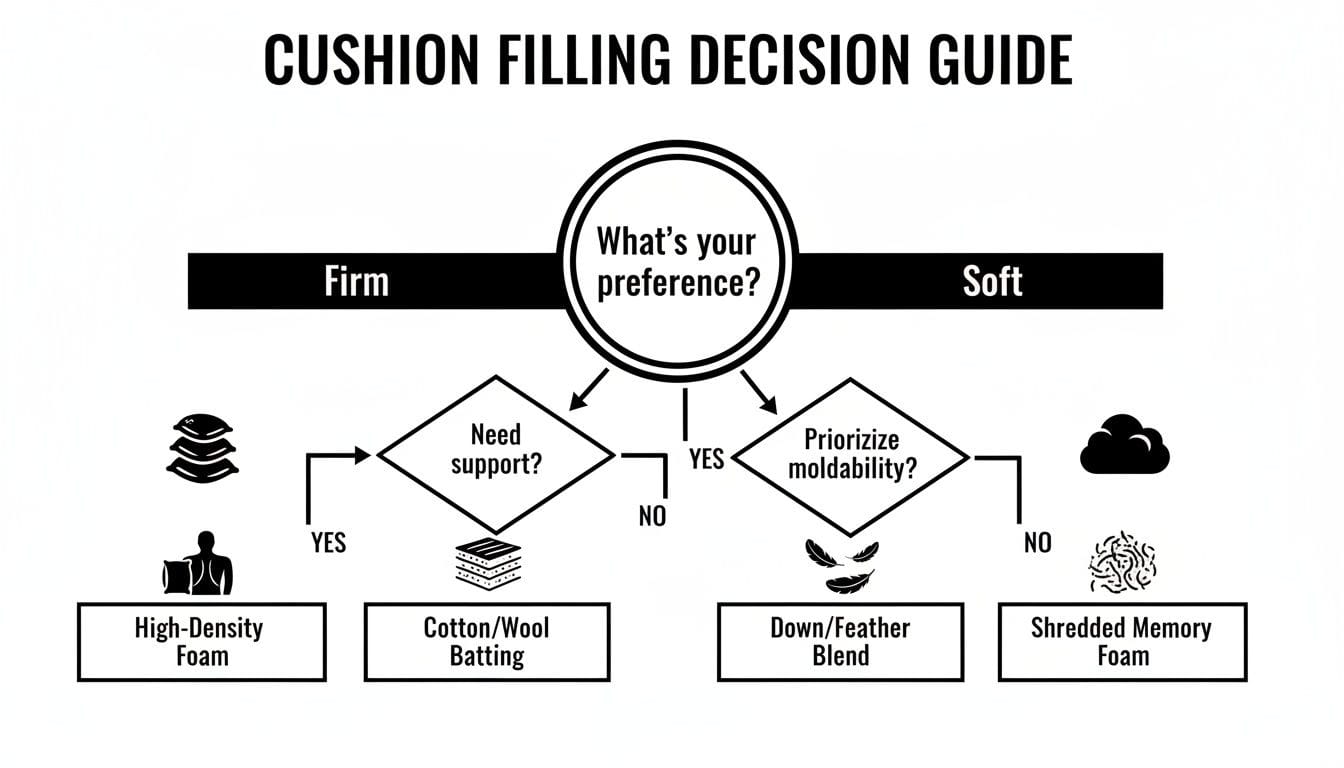
As the visual shows, your choice really comes down to whether you prefer firm, mouldable support or something a little softer and more gentle. When you match the right filling with the right height, you create the perfect foundation for your meditation practice—setting you up for deeper focus and relaxation. To enhance this even further, try sipping on our relaxing Blue Lotus tea before your session begins.
Creating Your Personal Meditation Space
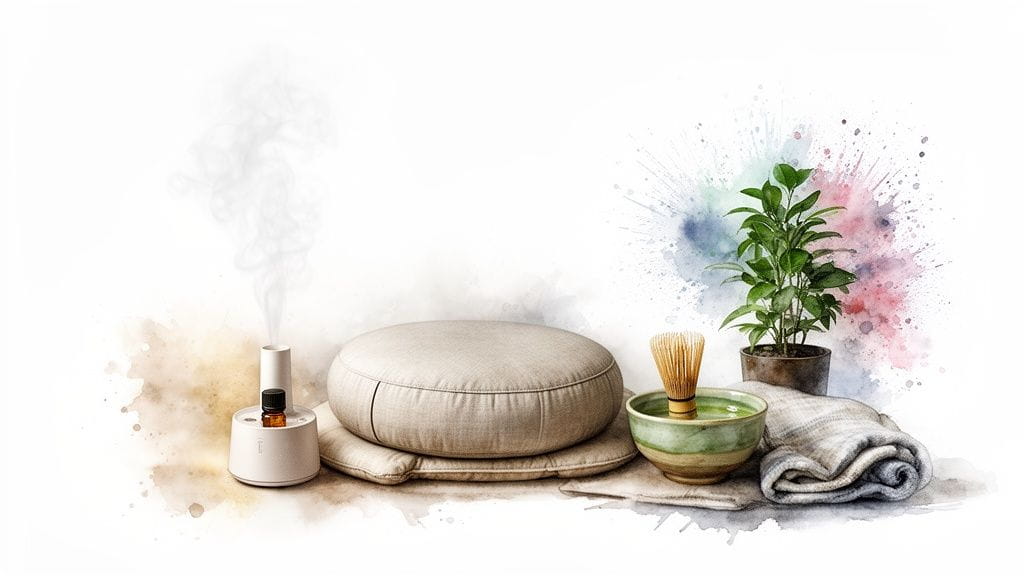
Your cushion for meditation is the heart of your practice, but the space around it truly sets the scene. By creating a dedicated sanctuary—even if it's just a quiet corner—you send a powerful message to your mind and body that it’s time to settle down and turn inward.
You don't need a full-blown renovation to turn a simple space into a tranquil escape. The idea is to build a sensory cue, a place your brain instantly links with peace and presence. This simple act of consistency makes it so much easier to drop into a state of mindfulness each time you sit.
Engaging the Senses for Deeper Focus
A truly inviting meditation space engages more than just your sense of touch with a comfortable cushion. When you bring in other sensory elements, you create a more immersive atmosphere that makes you want to come back to your practice day after day.
-
Scent: The power of smell is incredible. Using an essential oil diffuser with calming oils like lavender or frankincense can instantly soothe your nervous system. The gentle aroma signals that your meditation session is about to start.
-
Taste: A mindful ritual before you sit can make all the difference. Preparing a warm, calming cup of matcha green tea powder is a beautiful way to transition from a busy day into quiet practice. The very act of whisking and sipping becomes a meditation in itself.
-
Movement: Your body needs to feel free. Wearing comfortable women's yoga activewear allows you to sit, stretch, and breathe without being distracted by anything tight or restrictive.
This thoughtful approach to creating a personal space is catching on. Here in Australia, the meditation cushion market has seen huge online growth, with a projected CAGR of 9.9%. This boom is largely thanks to a post-2020 surge in home-based wellness practices, with people intentionally curating their own supportive environments. You can explore the research on this trend to see just how much home practice is growing.
Making Your Space Your Own
There are no hard and fast rules for what your meditation space should look like. What matters most is that it feels calming and sacred to you.
Your meditation space is an external reflection of the internal peace you seek. By curating a corner that feels calm and supportive, you give yourself a powerful head start in finding that stillness within.
Think about adding small things that bring you joy—a plant, a favourite candle, or a meaningful piece of art. Keeping the area tidy and uncluttered also helps minimise visual distractions.
Over time, this small corner of your home becomes a potent symbol of your commitment to your wellbeing, a topic we love exploring on our wellness blog.
Integrating Your Cushion into a Wellness Lifestyle
Your meditation cushion is so much more than just a place to sit. Think of it as the anchor for a more balanced, intentional way of living. Your practice doesn't happen in a bubble; it connects to every other healthy choice you make, creating a powerful synergy that boosts your overall wellbeing. This is where your meditation cushion becomes the gateway to a complete wellness routine.
By weaving your daily session together with other mindful habits, you amplify the benefits of each one. It's about creating a stronger fabric of health, from the moment you wake up to the moment you wind down at night.
Building Mindful Routines
Integrating your practice is all about creating small, achievable routines that flow naturally with your day. Instead of seeing meditation as another task to tick off your to-do list, frame it as the cornerstone that supports everything else.
Here are a few simple ways to build this connection:
-
Morning Kickstart: Start your day with a ten-minute session on your cushion. Follow it up with a nutrient-dense smoothie, boosted with a scoop of high-quality vegan protein powder to really fuel your body and mind for the hours ahead.
-
Post-Workout Recovery: After a tough workout or a session in a portable ice bath, spend five minutes on your cushion just focusing on your breath. This simple practice helps shift your body from a state of high stress to one of recovery, calming the nervous system and helping your muscles repair.
-
Evening Unwind: Create a calming evening ritual by pairing some gentle yoga on an eco-friendly mat with a quiet meditation. You can enhance the experience with a restorative herbal blend from the Teelixir range, which helps support deep relaxation and prepares your body for a restful sleep.
Your meditation cushion becomes the consistent thread that ties your wellness practices together. It’s the physical reminder to pause, breathe, and connect, making every healthy choice more intentional and effective.
This integrated approach ensures mindfulness isn't just confined to your cushion—it becomes part of how you nourish, move, and recover your body all day long. For those looking to deepen their practice in a more structured and supportive environment, you might also want to explore various yoga retreats.
Ultimately, a meditation cushion is a tool that empowers you to build a more resilient, mindful, and vibrant life. By weaving your practice into a broader lifestyle that includes clean hydration from chemical free water filters, nourishing food, and conscious movement, you create a powerful foundation for lasting wellbeing.
Frequently Asked Questions
It's completely normal to have a few questions when you're looking for the right meditation props. Here are some of the most common queries we get, with simple answers to help you feel confident in your choice.
How Do I Clean My Meditation Cushion?
Most quality meditation cushions, like the ones in our collection, have a removable outer cover you can pop in the washing machine. For the best care, wash the cover in cold water on a gentle cycle and let it air dry.
The inner cushion, which holds the buckwheat or kapok, should never get wet. If you feel it needs a refresh, just place the inner cushion in direct sunlight for a few hours. This is a brilliant, natural way to deodorise and disinfect it.
My Legs Still Fall Asleep, What Should I Do?
Pins and needles are very common, especially when you’re just starting out. The first thing to check is your cushion height. Are your hips sitting comfortably higher than your knees? This simple adjustment is key to taking pressure off your nerves and boosting circulation.
You can also try different sitting positions, like the Burmese style where your feet rest flat on the floor, one in front of the other. For extra comfort, try tucking Pilates accessories like folded blankets or blocks under your knees for support. As your hips become more flexible over time, you’ll likely find this sensation disappears.
Don't mistake numbness for a sign of failure. It's simply your body's feedback, guiding you to adjust your setup for better alignment and support. Small tweaks can make a huge difference.
Can I Use a Regular Pillow Instead?
While it might be tempting to grab a sofa cushion to get started, it’s not a great long-term solution for a dedicated practice. Regular pillows are just too soft. They’ll flatten under your weight almost immediately, failing to give you the firm, stable support your spine needs to stay aligned.
A purpose-built cushion for meditation is designed differently, filled with materials like buckwheat or kapok that hold their shape. This thoughtful design is what helps you sit tall without slouching, so you can focus on your breath instead of fidgeting. Think of it this way: investing in the right prop is an investment in the quality of your practice.
At Wellness Apothecary, we believe the right tools can truly deepen your practice and support your overall wellbeing. Our curated selection is designed to help you create a comfortable and sustainable routine.
Explore our full range of ethically sourced zabuton and zafu meditation cushions to find the perfect foundation for your journey to inner peace.


