


If you're feeling bloated, tired, or just not quite right, chances are your gut is trying to send you a message. It’s easy to get lost in complex advice, but improving your gut health naturally doesn't have to be overwhelming.
It's really a journey of small, consistent changes that build on each other. I've found the most sustainable path forward is built on four core ideas: nourishing foods, mindful living, restorative movement, and targeted botanical support.
Your Journey to a Balanced Gut Starts Now
That inner world of yours, often called the gut microbiome, is a bustling ecosystem of trillions of microorganisms. Its influence goes far beyond just digestion, affecting everything from your immune response and energy levels to your mood and mental clarity.
The connection between our gut and our overall wellbeing is deeper than many people realise. The gut-brain axis, for example, is a powerful two-way street. We see this reflected in recent Australian studies, where a staggering 38.67% of adults experience at least one disorder of gut-brain interaction (DGBI), like functional constipation.
What’s more, among those affected, mental health challenges are incredibly common: 26.58% experience anxiety and 28.96% report depression. This really highlights just how crucial a happy gut is for a happy mind.
A Four-Pillar Approach to Wellness
To keep things simple and actionable, I like to break down the process of improving gut health naturally into four pillars. This framework helps you focus your energy and build a solid foundation for lasting wellness.
This table gives a quick overview of the core strategies we'll explore.
Four Pillars of Natural Gut Health
| Pillar | Core Principle | Simple Starting Action |
|---|---|---|
| Nourish | Fuel your body with whole foods that feed beneficial gut bacteria. | Add one high-fibre vegetable or a spoonful of kimchi to your next meal. |
| Live Mindfully | Manage stress to calm the gut-brain axis and reduce inflammation. | Take five deep, slow breaths before eating your lunch. |
| Move | Encourage digestion and support mental health with gentle, consistent movement. | Go for a 10-minute walk after dinner. |
| Support | Use targeted herbs and botanicals to enhance your body's natural healing processes. | Try a calming herbal tea, like chamomile or peppermint, in the evening. |
Think of these pillars not as a checklist, but as interconnected parts of a holistic lifestyle that supports you from the inside out.
The image below gives a great visual of how these four elements work together in harmony.

True gut wellness isn’t about one single fix. It's about combining diet, stress management, exercise, and targeted botanicals so they can work together to bring your body back into balance.
Laying the Groundwork for Change
Starting this journey means adopting small habits that nurture your body from within. It could begin with something as simple as a daily walk, a mindful moment with an essential oil diffuser, or adding a new fermented food to your plate.
If you’re looking for a comprehensive overview, this friendly guide on how to improve gut health naturally is a fantastic resource to get you started.
By viewing gut health as a holistic practice rather than a restrictive diet, you empower yourself to make sustainable changes. Each small step, from choosing a calming cup of Blue Lotus tea to rolling out one of our sustainable yoga mats, contributes to a healthier, more balanced you.
This guide will be your roadmap, walking you through clear, practical steps within each of these four pillars. We'll explore everything from nourishing foods that fuel your gut microbes to supportive botanicals like those found in our Teelixir supplements collection.
Welcome to your path to better health, starting from within.
Feed Your Microbiome for Lasting Wellness
What you put on your plate directly shapes the bustling community of microbes living in your gut. Every meal is a choice: are you feeding the beneficial bugs that keep you healthy, or are you fuelling the troublemakers? Moving beyond generic advice means getting specific with three key elements of a gut-friendly diet: prebiotic fibre, probiotics from fermented foods, and antioxidant-rich polyphenols.
Getting a clear, personalised picture of what’s happening inside can be a game-changer. A gut microbiome test can offer a snapshot of your unique internal ecosystem, pointing you towards the foods your body is truly asking for.
The Power of Prebiotic Fibre
Think of prebiotic fibre as the preferred meal for your good gut bacteria. Unlike other foods that break down in the stomach, these fibres make their way to your large intestine, where your microbes get to feast on them. This fermentation process creates powerful compounds called short-chain fatty acids (SCFAs), which are absolute heroes for lowering inflammation, strengthening the gut wall, and even supporting your brain.
We all know fibre is important, but it’s an easy thing to miss in a modern diet. A simple way to boost your intake is by adding a scoop of a clean vegan protein powder, which is fantastic for keeping things moving regularly.
You can also find plenty of prebiotic fibre in whole foods:
- Vegetables: Onions, garlic, leeks, asparagus, and Jerusalem artichokes are all excellent sources.
- Fruits: Slightly under-ripe bananas, apples, and berries offer a great fibre hit.
- Legumes: Think chickpeas, lentils, and beans.
- Whole Grains: Oats, barley, and quinoa are gut-friendly staples.
Embrace Probiotics and Polyphenols
While prebiotics feed your existing good bacteria, probiotics introduce new, beneficial strains to the party. Fermented foods are nature’s best source of these live microorganisms. Think of them as reinforcements arriving to help bolster your gut's defences.
By bringing a variety of fermented foods into your diet, you're doing more than just adding good bacteria—you're increasing the diversity of your microbiome. A more diverse gut is a more resilient and healthier one.
Even small amounts of these foods can make a difference:
- Kimchi and Sauerkraut: These fermented cabbage dishes are packed with both flavour and probiotics.
- Kefir and Yoghurt: Just be sure to choose plain, unsweetened varieties to get the best benefits without the sugar.
- Kombucha: A fizzy, fermented tea that’s a great alternative to sugary soft drinks.
Polyphenols are another key player here. These are the compounds that give plants their vibrant colours, and they act as powerful antioxidants, fighting inflammation throughout the body, including in your gut. For instance, our high-quality matcha green tea powder is a rich source of a polyphenol called EGCG, which is well-known for its anti-inflammatory effects.
Other fantastic sources include dark-coloured berries, good-quality dark chocolate, and a rainbow of colourful vegetables. A simple rule of thumb is to try and get as many different colours on your plate as possible—it’s an easy way to ensure you're getting a good mix of these gut-loving compounds.
Traditional Wisdom for a Modern Gut
For centuries, traditional medicine has turned to botanicals to support digestive harmony, and these natural allies can offer targeted support for a resilient gut. Potent mushrooms, like those in our Teelixir supplements collection, are renowned for helping the body manage stress and inflammation—two major drivers of gut issues.
Bringing these traditional remedies into your routine can be a powerful addition to a healthy diet. Many people find that winding down with a calming cup of Blue Lotus tea helps soothe their nervous system, which has a wonderful ripple effect on the gut.
Interestingly, while many Australians are becoming more health-conscious, a recent report highlighted a bit of a knowledge gap. It found that 48% of Australians aren't familiar with the gut microbiome, and over half don’t realise how gut bacteria can influence heart, kidney, and brain health. But the tide is turning—vegetable consumption has risen by 13.6%, showing a real shift towards the fibre-rich diets our microbiomes thrive on.
Manage Stress and Sleep to Soothe Your Gut
The constant chatter between your brain and your digestive system is one of the most important relationships in your body. We call this the gut-brain axis.
When life gets stressful or sleep becomes a luxury, your gut is often the first to know, and it isn't shy about showing it. This direct line of communication explains why you might feel butterflies when you're nervous, or why a tough week at work can suddenly lead to digestive upset.
This isn’t just a feeling; it’s a biological reality. Stress triggers the release of cortisol, our primary stress hormone. While helpful in short bursts, chronic stress keeps cortisol levels high, forcing your body to divert energy away from vital functions like digestion and immunity. This can disrupt the delicate balance of your microbiome and even contribute to increased intestinal permeability, sometimes called ‘leaky gut’.
Creating a Sanctuary for Your Nervous System
One of the most powerful ways to soothe your gut is by calming your nervous system. You can do this by creating simple, intentional rituals that signal to your body it’s time to unwind. An evening routine doesn’t have to be complicated to be effective. It just needs to be consistent.
A beautiful place to start is by transforming your bedroom into a tranquil space. Using one of our essential oil diffusers with calming scents like lavender or chamomile can work wonders. The simple act of turning it on each evening can become a powerful cue for your mind and body to relax, preparing you for a night of restorative sleep that is so crucial for gut repair.
Another powerful tool is mindfulness. A dedicated meditation practice, even for just a few minutes a day, has been shown to lower stress hormones and reduce inflammation. If you find sitting on the floor uncomfortable, using one of our purpose-built zabuton meditation cushions can provide the support you need to focus on your breath instead of your posture.
Your evening ritual is an act of self-care that pays dividends for your gut. By intentionally slowing down, you give your digestive system the peaceful environment it needs to rest, repair, and thrive.
If you're new to meditation, it can feel a little intimidating at first. We have a helpful resource on how to meditate for beginners that breaks down simple techniques to get you started.
The Sleep-Gut Connection
Just as stress wreaks havoc on your gut, so does a lack of quality sleep. Poor sleep can alter your microbiome, often favouring less-beneficial bacteria. It can also fire up cravings for sugary, processed foods—the very things that fuel gut inflammation. Prioritising sleep is a non-negotiable step in your journey to better gut health.
To set yourself up for a truly restful night, try these simple sleep hygiene tips:
- Establish a Consistent Bedtime: Going to bed and waking up around the same time each day helps regulate your body’s internal clock.
- Create a Tech-Free Zone: The blue light from screens can interfere with melatonin production. Try to put your phone away at least an hour before bed.
- Craft a Calming Bedtime Ritual: This is where the magic happens. A warm bath, gentle stretching, or reading a book can help you transition into a restful state.
Incorporating a soothing beverage into this ritual can be particularly effective. Winding down with a warm cup of caffeine-free herbal tea, like our beautiful Blue Lotus products, is a perfect way to signal to your body that the day is done. Its gentle, relaxing properties are celebrated for their ability to calm the mind, making it the ideal final step before you drift off, allowing your body and gut to begin their vital overnight repair work.
How Gentle Movement Supports a Happy Gut

We often think of exercise in terms of building muscle or cardio fitness, but the connection between movement and gut health is incredibly powerful. Gentle, mindful movement is a brilliant tool for improving digestion, easing the stress that wreaks havoc on your gut, and helping your microbiome flourish.
Regular physical activity is one of the best ways to get things moving. It stimulates gut motility—the natural contractions that push food through your digestive tract—which can make a world of difference if you struggle with bloating or sluggishness. But this isn't about smashing out a high-intensity workout; it’s the type of movement and how consistently you do it that really counts.
The Yogic Approach to Digestive Wellness
This is where yoga truly shines. It’s fantastic for digestive support because it pairs physical poses with deep, intentional breathing. This combination is key to activating your parasympathetic nervous system, better known as the ‘rest and digest’ state, which is absolutely essential for your gut to function at its best.
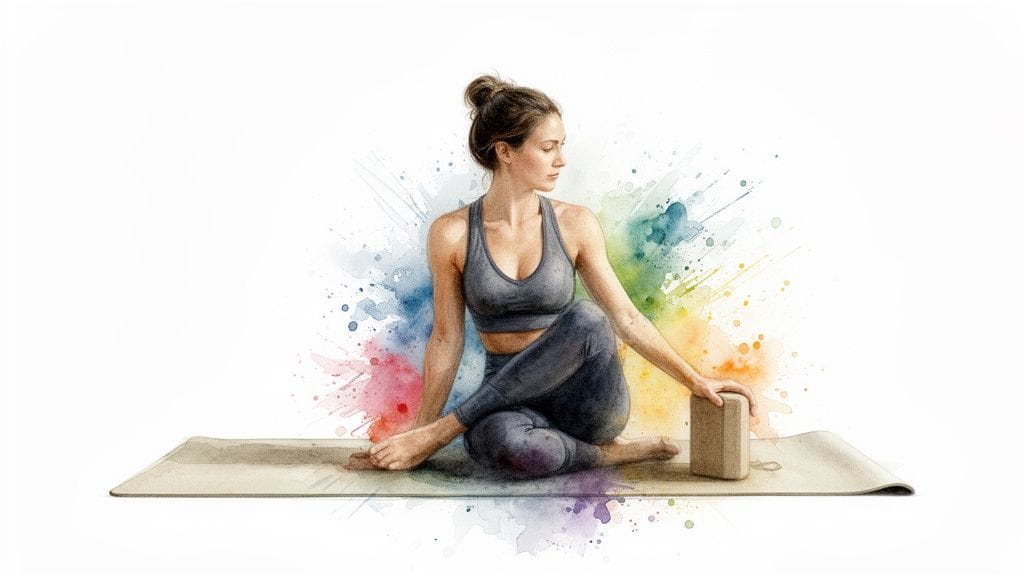
Many yoga poses, particularly twists, feel like a gentle internal massage for your digestive organs. A simple seated spinal twist or a reclining twist can help stimulate the colon, encourage elimination, and relieve that uncomfortable feeling of trapped gas. Even basic forward folds work wonders by compressing the abdomen and then releasing it, which brings a fresh flow of blood to your digestive organs.
Of course, building a consistent practice is so much easier when you feel properly supported. Having the right gear, like our collection of eco yoga mats for a stable, non-toxic surface, or supportive yoga blocks and bricks to help you find the right alignment, can make all the difference.
Creating Your Mindful Movement Practice
When it comes to movement for gut health, think consistency over intensity. A short, daily practice will give you far more benefits than a single, gruelling session once a week.
Here are a few simple ways to weave some gut-friendly movement into your routine:
- Morning Flow: Kick off your day with a few gentle sun salutations. It’s a beautiful way to wake up your body and your digestive system.
- Post-Meal Walk: A short, 10–15 minute stroll after eating can really help with digestion and stabilise blood sugar.
- Winding-Down Stretches: Before bed, try incorporating some gentle twists and forward folds into your evening routine to release the day's tension.
If you’re new to all this, our guide on yoga for beginners at home is a great place to start, with simple routines to help you build a practice you’ll actually enjoy. And let's be honest, feeling good in what you wear is a big motivator! Our comfy and stylish womens yoga activewear is designed to move with you, making your practice feel less like a chore and more like a treat.
Cold Therapy for Advanced Gut Recovery
Looking to take your gut health to the next level? Beyond daily movement, some advanced recovery methods can offer incredible benefits, and one of the most effective is cold water therapy. Taking a dip in a portable ice bath might sound intense, but its effects on the body are truly remarkable.
Cold exposure is a powerful way to reduce systemic inflammation. Since chronic inflammation is a key driver of many gut-related issues, including leaky gut and dysbiosis, managing it is crucial for long-term digestive health.
Regularly using portable ice baths helps trigger a potent anti-inflammatory response. It also stimulates the vagus nerve, a crucial player in the gut-brain axis, helping to shift your body into that vital 'rest and digest' state. This creates the perfect internal environment for your gut to heal and thrive, making our ice baths a fantastic tool for holistic wellness that supports you right down to your microbiome.
Using Nature's Allies for Gut Support
While your diet, stress levels, and movement habits are the foundation of good gut health, you can really deepen their impact by bringing in some of nature’s most powerful helpers. Specific plants and fungi offer targeted support, acting like intelligent tools to help your body handle things like inflammation and stress.
Think of these natural supplements not as a quick fix, but as a way to enhance your existing wellness practices. They are the support crew that helps your body adapt, repair, and find a better sense of balance.
Adaptogenic Mushrooms for Stress Resilience
One of the most fascinating areas in natural gut support is the world of adaptogenic mushrooms. Adaptogens are clever botanicals that help your body build resilience to physical and emotional stress—a huge piece of the puzzle when it comes to improving gut health naturally. By helping to regulate your body’s stress response, they can have a wonderfully calming effect on your digestive system.
Our Teelixir supplements collection is centred around these incredible fungi. Here are a few of my top picks for gut support:
- Reishi: Known as the “mushroom of immortality,” Reishi is famous for its deeply calming properties. It helps settle the nervous system and encourages deeper, more restorative sleep—both of which are essential for gut repair.
- Lion's Mane: While it’s well-known for boosting brain function, Lion's Mane also has a strong connection to the gut. It supports a healthy gut lining and has been found to have anti-inflammatory effects in the digestive tract.
- Chaga: This mushroom is an antioxidant powerhouse, helping your body fight oxidative stress. A calmer, less inflamed internal state is a much happier environment for your gut.
Getting these into your routine is simple. Just add a spoonful of powder to your morning coffee, smoothie, or even a savoury soup. It’s a small daily habit that provides profound support for your gut-brain connection.
The Soothing Power of Calming Botanicals
Beyond mushrooms, some traditional herbs have long been used for their ability to calm the mind and, by extension, the gut. When your nervous system is in its ‘rest and digest’ mode, your entire digestive process just works better.
This is where a botanical like Blue Lotus really shines. Historically used in ancient cultures for its gentle, dream-like relaxation effects, our Blue Lotus products offer a beautiful way to unwind at the end of the day. A warm cup of Blue Lotus tea can become a powerful evening ritual, signalling to your body that it's time to let go of the day’s stress.
Creating a calm atmosphere with aromatherapy is another fantastic way to support your nervous system. Setting up an essential oil diffuser with scents like lavender or frankincense can transform your space into a sanctuary, making it easier to slip into a relaxed state that benefits your entire body, gut included.
By bringing these calming rituals into your life, you're actively managing one of the biggest triggers of gut issues—chronic stress. This isn't just about feeling relaxed; it's a strategic move to create the best possible internal conditions for digestive wellness.
Antioxidant-Rich Teas for Gut Protection
Finally, never underestimate the gut-supporting power of a simple cup of tea. High-quality teas are packed with polyphenols, which are plant compounds that act as powerful antioxidants and prebiotics, feeding your good gut bacteria.
One of the best examples is our premium matcha green tea powder. Matcha is unique because when you drink it, you consume the entire leaf. This means you get a concentrated dose of antioxidants, especially one called EGCG (epigallocatechin gallate), which is well-studied for its ability to reduce inflammation.
Swapping your second or third coffee for a vibrant bowl of matcha not only gives you a clean, focused energy boost without the jitters but also delivers a wealth of gut-protective compounds. It’s a simple, enjoyable upgrade that supports your microbiome with every sip.
Your Natural Gut Health Questions Answered
Diving into the world of gut health can feel overwhelming, and it often brings up more questions than answers. To help you feel more confident on your path, we've put together some straightforward answers to the questions we hear most often.
How Long Does It Take to Improve Gut Health Naturally?
This is the big one, and the honest answer is: it really depends on the person. Everyone’s body is different, but many people start to feel initial improvements—like less bloating and more regular bowel movements—within just 2 to 4 weeks of making consistent changes.
Those early wins are so encouraging! The deeper work, like really shifting the balance of your gut microbiome, usually takes a bit longer, closer to 3 to 6 months. The single most important thing is consistency. Small habits, done every day, are what build the real momentum for lasting gut wellness.
For example, simply adding a scoop of our vegan protein powder to your daily smoothie is an easy way to boost your fibre. Or, using an essential oil diffuser in the evening can help you unwind and lower stress. It’s a journey, not a sprint.
Can I Improve My Gut Health Without Supplements?
Absolutely. In fact, diet and lifestyle are the true cornerstones of a healthy gut. The most powerful things you can do are focus on a diverse, plant-rich diet, get a handle on your stress, and incorporate gentle, regular movement into your week.
You can build an incredibly effective routine without touching a single supplement. A daily mindfulness practice, for instance, can do wonders for lowering the stress hormones that wreak havoc on your gut. Making it a cosy ritual with one of our meditation cushions can make all the difference.
Think of supplements as powerful allies to support and amplify your efforts, not replace them. They are tools to address specific needs, like stress or inflammation, once your core habits are solid.
Herbal allies, like botanicals from our Teelixir range or our premium Matcha, can offer that targeted support. They just work best when they're complementing an already healthy lifestyle.
What Are the Worst Foods for Gut Health?
While we all have our own unique food triggers, there are a few usual suspects that tend to cause issues for most people. The biggest offenders are typically ultra-processed foods, excessive sugar, artificial sweeteners, and unhealthy trans fats.
These foods can feed the less-friendly bacteria in your gut, stir up inflammation, and lead to that all-too-familiar bloating and gas. A great place to start is simply swapping out sugary drinks and packaged snacks for whole-food alternatives.
And don't forget about hydration—it's fundamental. Just making sure you have clean, filtered drinking water readily available at home can make a huge difference in your digestion. Our range of chemical-free water filters is designed to help you nail this essential daily habit.
Which Exercise Is Best for Digestion?
For supporting gut health, both yoga and Pilates are fantastic choices. Yoga is brilliant because its combination of deep breathing and gentle twists helps to massage the digestive organs, activating the body's 'rest and digest' response. Pilates is also excellent for building deep core strength, which improves your posture and gives better support to your internal organs.
But at the end of the day, the 'best' exercise is the one you actually enjoy and will stick with. The key is to make it a pleasant experience.
Having the right gear can turn your practice from a chore into a self-care ritual you genuinely look forward to. Check out our beautiful non-toxic yoga mats in Australia or our comfortable women’s activewear to support your movement routine.
How Can I Support My Gut During Recovery Periods?
Looking after your gut goes beyond daily habits, especially during times of high stress or physical recovery. This is where some more advanced techniques can be incredibly helpful. For example, using a portable ice bath can help dial down systemic inflammation, which is a major driver of gut issues.
The cold exposure from portable ice baths also stimulates the vagus nerve, helping to shift your body into a restorative, healing state. When you combine this with gentle movement using Pilates accessories and mindful breathing, you create a powerful recovery protocol that nurtures your gut from all angles.
The journey to better gut health is a personal one, but you don't have to figure it all out alone. By weaving these natural strategies into your life and learning to listen to your body, you can build a resilient, balanced gut that supports your overall wellbeing for years to come.
At Wellness Apothecary, we believe in empowering your journey to holistic health with tools that nurture your body, mind, and spirit. Explore our curated collections and discover nature's finest allies for your wellness routine by visiting our homepage.


