


Using an essential oil diffuser couldn't be simpler. You just add water up to the fill line, pop in 3-5 drops of pure essential oil, secure the lid, and switch it on. Within minutes, a fine, fragrant mist will start to fill your room, delivering a beautiful scent along with all those therapeutic benefits.
Getting Started With Your Essential Oil Diffuser
Diving into aromatherapy might seem like a big step, but it’s one of the easiest and most satisfying ways to elevate your daily routine. An essential oil diffuser is so much more than a fancy air freshener; it's a powerful little tool for turning your home into a personal sanctuary. By matching the right device with high-quality oils, you can curate specific atmospheres—whether you’re after deep relaxation, sharp focus, or a bit of rejuvenation.
Maybe you want to deepen your yoga practice, create a still environment for meditation, or simply unwind after a hectic day. Whatever your goal, a diffuser is your best friend. The trick is just knowing how they work and which one is the right fit for you.
How Ultrasonic Diffusers Work
Most modern diffusers you’ll find today, including the ones we’ve handpicked for our collection, are ultrasonic. This clever technology uses high-frequency vibrations from a tiny disc submerged in the water.
These vibrations are so rapid they break the essential oils down into microscopic particles, which are then dispersed into the air as a fine, cool mist. This method is brilliant for a couple of key reasons:
- No Heat Involved: This is crucial. Heat can actually damage the delicate therapeutic compounds in your essential oils, but an ultrasonic diffuser preserves their full integrity.
- Acts as a Humidifier: It also adds a touch of welcome moisture to the air, which is a real bonus in dry Aussie climates or rooms with the air-con blasting.
This gentle process ensures you get every ounce of benefit from your oils, from stress relief to better concentration. To get a better sense of how your diffuser can help you manage daily pressures, you can explore this practical guide to aromatherapy for stress and anxiety.
Choosing the right diffuser is the first step in creating a personalised wellness ritual. It’s about matching the device's capacity and features to your space and intentions, ensuring every drop of oil is used effectively.
Choosing the Right Diffuser for Your Space
Honestly, the effectiveness of your diffuser often comes down to one simple thing: picking the right size for your room. A small, discreet model is perfect for your home office desk or a bedside table, but you’ll want a larger, more powerful unit for an open-plan living area.
Here’s a simple visual to help you make the right call.
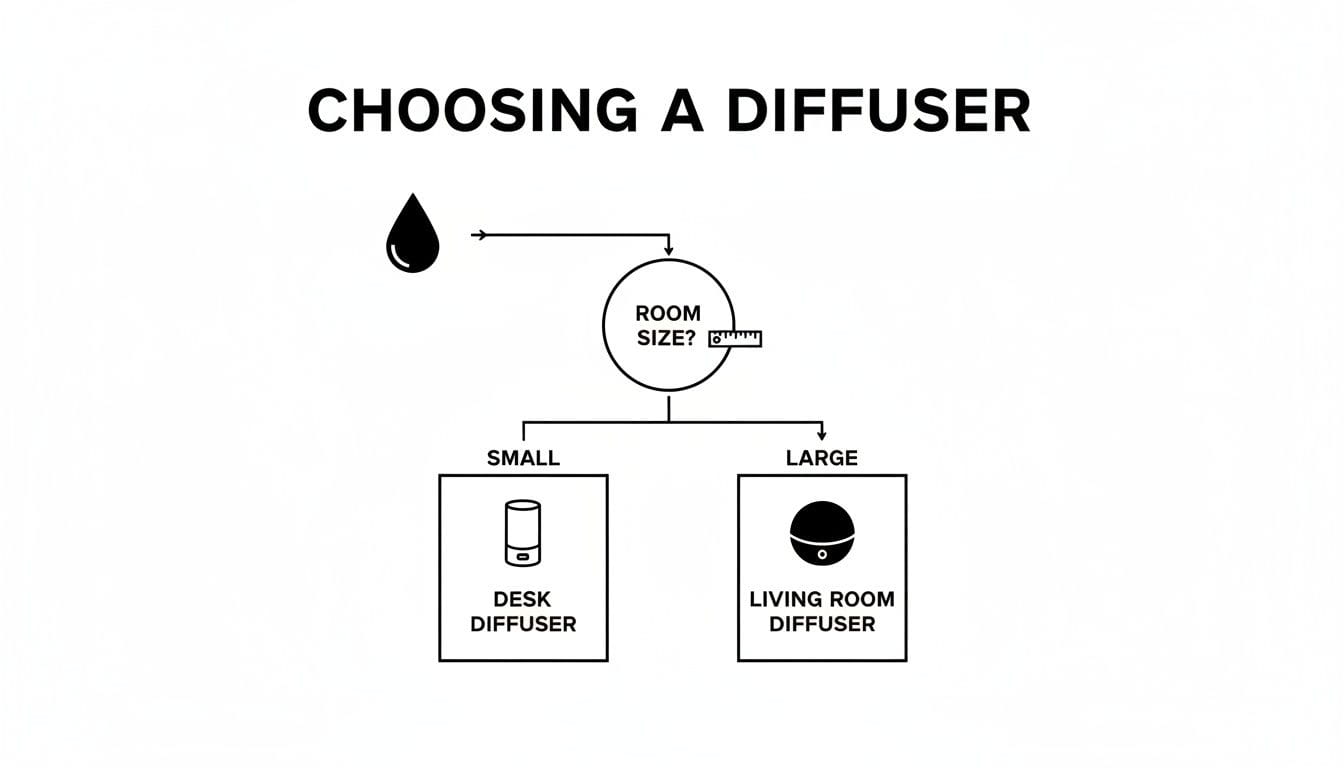
As the infographic shows, matching your diffuser to your room size is the key to getting that perfect scent intensity and therapeutic effect. If you want a more detailed breakdown of different models, you might find our collection of the best essential oil diffusers really helpful.
Quick Guide to Diffuser Types and Ideal Room Size
To make it even easier to choose, here's a quick look at the most common types of diffusers you'll find in Australia and where they work best. This table breaks down their functions and ideal spaces so you can find your perfect match.
| Diffuser Type | How It Works | Best For Room Size (sqm) | Key Benefit |
|---|---|---|---|
| Ultrasonic | Vibrates to create a cool, fine mist of water and oil. | 10 - 40 sqm | Humidifies the air and is very quiet. |
| Nebulising | Uses pressurised air to atomise oils into a pure mist (no water). | Up to 40 sqm | Delivers a very concentrated, potent aroma. |
| Evaporative | A fan blows air through an oil-infused pad or filter. | 5 - 15 sqm | Simple, portable, and great for small spaces. |
| Heat | Gently heats the oil to help it evaporate into the air. | 5 - 10 sqm | Inexpensive and silent, but heat can alter oils. |
Ultimately, for most Aussie homes, an ultrasonic diffuser hits that sweet spot of performance, safety, and preserving the quality of your precious oils.
This trend is definitely taking off. In Australia, the essential oils market was valued at an incredible 267.84 USD Billion in 2024 and is projected to skyrocket to 586.98 USD Billion by 2032. This huge growth just goes to show how many of us are making diffusers a core part of our wellness routines.
Creating Your Perfect Aromatic Blends
The real magic of a diffuser isn’t just about making your room smell nice—it’s about becoming your own alchemist. This is where you move beyond single notes like lavender or eucalyptus and start crafting scents that completely transform your space. It's your chance to mix and match oils to create blends that nail the exact mood or intention you're after.
With just a few core oils, you can design a sharp, zesty blend to power through an afternoon of work, a calming aroma to deepen your session on a meditation cushion, or a dreamy scent that helps you drift off to sleep. It’s all about playing around and finding what really works for you.
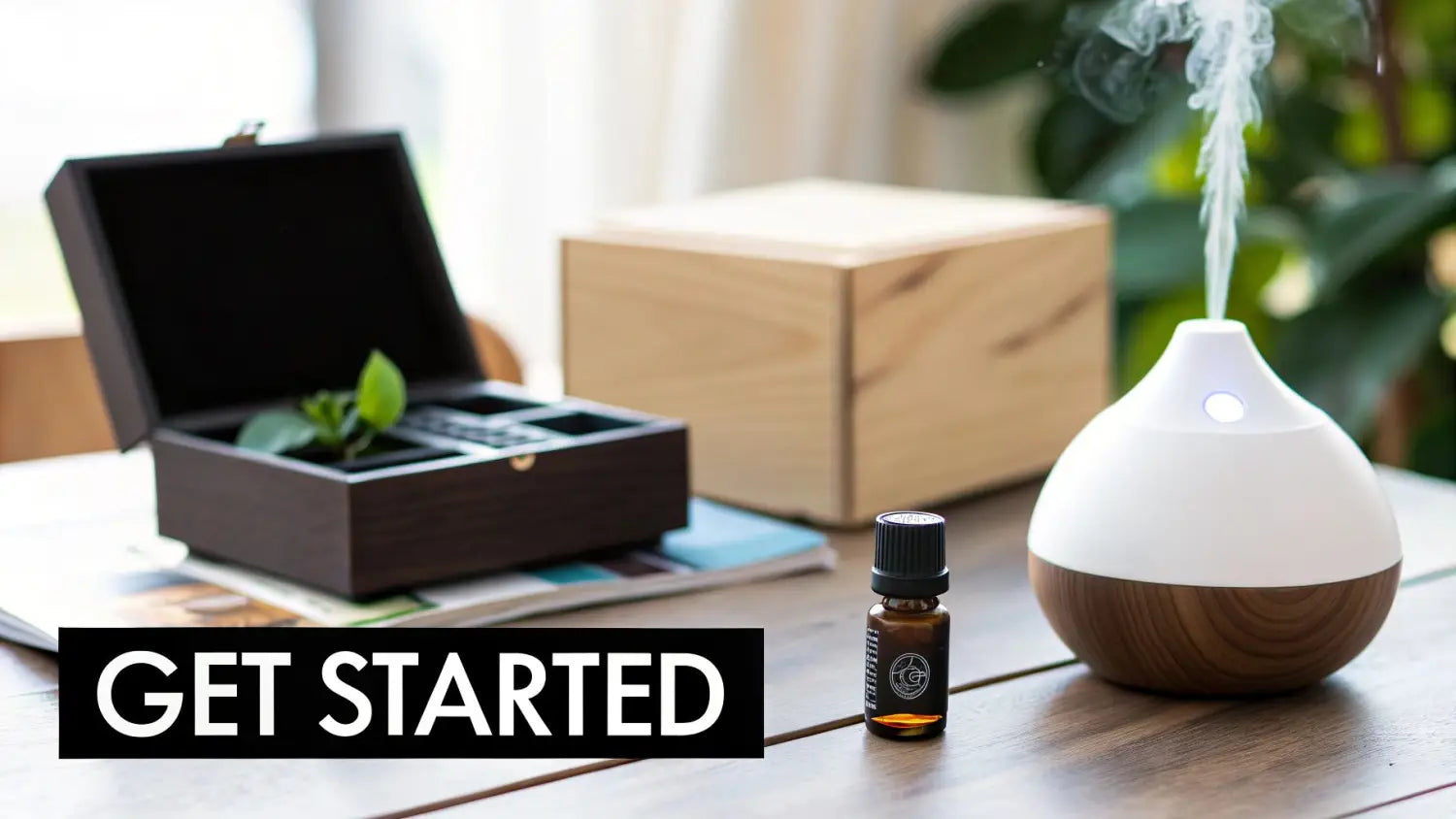
A simple setup like this, with a quality essential oil diffuser and a handful of your favourite oils, is all you need to get started. Think of it as an invitation to be more creative and intentional with the atmosphere in your home.
Understanding Fragrance Notes
Creating a balanced, beautiful blend is a bit like composing music. Every essential oil has a "note"—top, middle, or base. This basically describes how quickly its scent evaporates and what part it plays in the final aroma.
- Top Notes: These are the first scents that hit you. They're typically light, fresh, and disappear pretty quickly, usually within an hour or two. Think zesty citrus oils like lemon and orange, or punchy herbaceous ones like peppermint.
- Middle Notes: The heart of the blend. These aromas come through as the top notes start to fade away. They are often warm and rounded, usually with floral or spicy vibes. Lavender, geranium, cinnamon, and rosemary are classic middle notes.
- Base Notes: These are the deep, grounding aromas that anchor your blend and give it staying power. They evaporate the slowest, providing a rich, lingering foundation. We're talking earthy and woody scents like sandalwood, cedarwood, and frankincense.
A simple rule of thumb for a balanced blend is a 3:5:2 ratio: 3 drops of a top note, 5 drops of a middle note, and 2 drops of a base note. This is just a starting point, of course—feel free to adjust it until it smells perfect to you.
My Favourite Blends for Daily Wellness Rituals
The best way to get the most out of your diffuser is to weave it into your existing routines. Here are a few of my personal go-to recipes, designed to perfectly complement different moments throughout a wellness-focused day.
Morning Matcha Focus Blend
This blend is wonderfully invigorating and perfect for sharpening your mind while you sip your morning matcha. It’s fantastic for cutting through that early morning brain fog and setting a productive tone.
- 3 drops Lemon (Top)
- 2 drops Rosemary (Middle)
- 1 drop Frankincense (Base)
Post-Workout Recovery Blend
After a tough session on your yoga mat or a chilly dip in a portable ice bath, this blend is exactly what you need. It helps soothe tired muscles and brings a sense of calm back to the body with its refreshing yet grounding aroma.
- 3 drops Peppermint (Top)
- 2 drops Eucalyptus (Top/Middle)
- 2 drops Lavender (Middle)
Deep Sleep Blue Lotus Blend
For a truly restorative night's sleep, this blend is my secret weapon. The star is the unique, dreamy aroma of Blue Lotus, which is well-known for its deeply calming and sedative properties.
- 4 drops Lavender (Middle)
- 2 drops Cedarwood (Base)
- 1 drop Blue Lotus Absolute (Middle/Base)
As you get more into blending, especially for specific needs like better sleep, you might want to do a bit more research. For example, some resources offer great targeted suggestions when it comes to finding the best essential oils for sleep apnea.
This whole practice is becoming more and more popular. Australia's aromatherapy diffuser scene is absolutely booming—the market was valued at US$41.5 million in 2024 and is expected to more than double to US$92.4 million by 2033.
And while statistics from Grand View Research show that single oils still account for about 70% of diffuser use, the art of blending is where you can truly personalise your experience and unlock much deeper benefits.
Your Guide to Setup and Flawless Operation
So, you've unboxed your shiny new essential oil diffuser. That first fragrant mist should be a moment of pure bliss, not confusion. Let's walk through the simple setup to make sure you get it right from the get-go and avoid those little hiccups that can trip people up.
Think of your diffuser as a delicate instrument. Getting the best performance comes down to a few key details, and it all starts with where you put it. Find a stable, flat surface – a side table, a sturdy shelf, or a countertop works perfectly. It's also a good idea to keep it away from direct sunlight, open windows, or air-con vents. Drafts can mess with the mist and stop the beautiful scent from reaching every corner of your room.
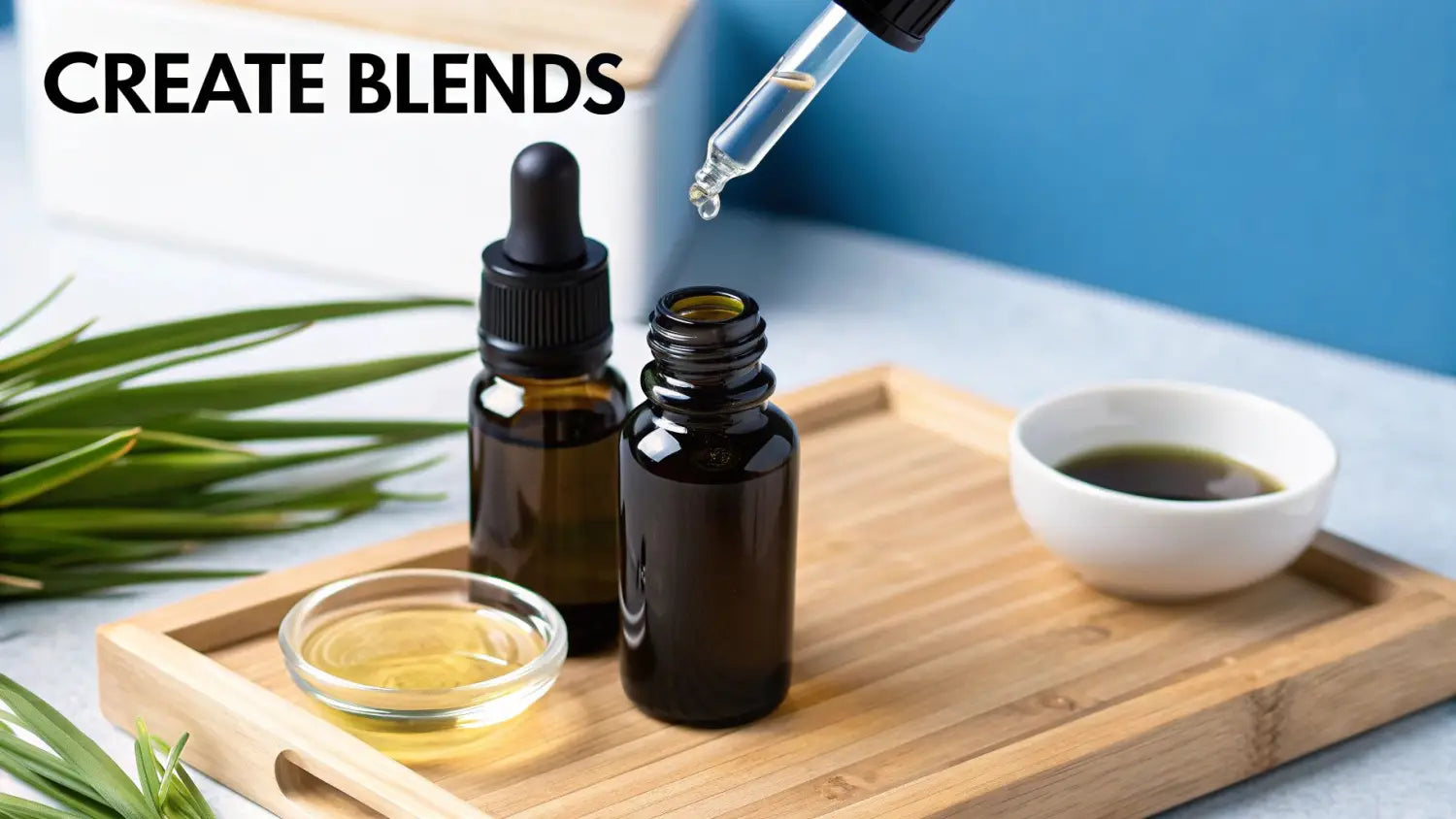
This simple step of mindful placement really does set the stage for a flawless aromatherapy experience, allowing that lovely mist to disperse evenly through your space.
Getting the Water Level Just Right
One of the most common mistakes I see people make is overfilling the water tank. Every single diffuser has a 'max' fill line for a very good reason. If you go over this line, the ultrasonic mechanism can't do its job properly, and you'll end up with a weak mist, or sometimes no mist at all.
For the best results, always fill the reservoir with cool, clean water. Using distilled or filtered water is ideal as it helps prevent mineral buildup over time. Fill it right up to that line, but never past it. This precision ensures the device has the perfect amount of water to vibrate into that fine, therapeutic mist we're after.
The Art of Adding Your Oils
Now for the fun part – the essential oils! The number of drops you use can completely change the experience, and my go-to rule of thumb is a fantastic starting point for anyone just learning the ropes.
Start with 3 to 5 drops of essential oil for every 100ml of water. This is the sweet spot. It creates an aroma that's noticeable and balanced, without being too in-your-face.
Of course, this isn't set in stone. Think of it as a flexible guideline that you can tweak based on a couple of things:
- Room Size: A big, open-plan living area might need a few extra drops to fill the space – maybe 6 to 8. In contrast, a small bedroom or home office will be perfectly scented with just 2 or 3 drops.
- Oil Potency: Some oils are just naturally stronger than others. A powerful scent like peppermint or eucalyptus needs a much lighter touch than a soft, gentle aroma like chamomile or sandalwood.
Experimentation is your best friend here. Start on the lower end and see how you go. You can always add another drop or two if you'd like a stronger fragrance. For a deeper dive, we have a whole blog post that gives more guidance on how many drops of essential oil you should put in your diffuser.
Understanding Your Diffuser’s Settings
Most modern diffusers come with a couple of handy settings that let you customise your experience and make your precious oils last longer. Don't just switch it on and walk away – getting to know these features makes a world of difference.
- Continuous Misting: This setting does exactly what it says – it runs constantly until the water runs out, then automatically switches off. It’s brilliant for quickly filling a room with scent or for shorter, more intentional aromatherapy sessions.
- Intermittent Misting: This is my personal favourite for day-to-day use. The diffuser cycles on and off, usually for about 30 seconds at a time. This clever trick extends the diffusion time by hours and helps prevent "scent fatigue," where your nose gets used to an aroma and stops noticing it.
Using the intermittent setting is a smart way to enjoy the aromatic benefits for much longer without burning through your oils. Many models also have built-in timers (often for 1, 3, or 6 hours), which are perfect for setting a calming mood as you drift off to sleep without needing it to run all night. Once you're familiar with these simple controls, you'll be operating your diffuser like a pro every time.
Diffuser Safety for a Worry-Free Home
Getting the most out of your essential oil diffuser isn't just about creating a lovely scent—it's about building an atmosphere that feels genuinely safe and restorative for everyone. True aromatherapy is mindful, and a few simple safety habits will ensure every session is a positive one.
One of the easiest yet most important things to remember is ventilation. You should always use your diffuser in a space where the air can circulate. This simple step prevents the aromatic compounds from becoming too concentrated, which is especially critical if you have children or pets around. Just leaving a doorway open or cracking a window is usually enough to do the trick.
Practicing Mindful Diffusion
It’s tempting to let your diffuser run all day, but that’s not really the best way to go about it. Our brains are incredibly efficient and can quickly get used to a scent, a phenomenon known as scent fatigue. Once that happens, you stop noticing the aroma and miss out on the therapeutic benefits.
A far better approach is to diffuse in cycles.
My personal rule is to run my diffuser for 30 to 60 minutes at a time, then give my senses (and the room) a break for at least an hour. If your device has an intermittent setting, even better! This keeps the aroma fresh and effective, and it makes your precious oils last so much longer.
Essential Oil Safety for Pets and Children
While essential oils come from plants, they are incredibly potent and need to be handled with extra care, particularly around the more sensitive members of our families. The smaller bodies of children and pets process things very differently from adults.
When kids are in the room, it's always wise to start with fewer drops of oil and just see how they respond.
For our furry friends, especially cats and dogs, we need to be even more cautious. Their sense of smell is far more powerful than ours, and some oils can be harmful to them.
- Cats: Feline livers lack a specific enzyme to metabolise compounds found in certain oils. Oils like tea tree, citrus, eucalyptus, and peppermint can be toxic if they ingest them, get them on their skin, or even inhale them in high concentrations.
- Dogs: While generally less sensitive than cats, dogs can still have bad reactions. It's best to avoid diffusing oils like tea tree and pennyroyal when they're around.
The simplest, kindest practice is to always leave a door open so your pet can leave the room if the scent becomes too much for them. To dive deeper into specific oils to handle with care, have a read of our detailed guide on what essential oils should not be used in a diffuser.
Being well-informed allows you to create a home that’s a true sanctuary for every family member, furry ones included, and use your diffuser with confidence and peace of mind.
Keeping Your Diffuser Clean and Efficient
A clean diffuser is a happy diffuser. Just like any wellness tool, from your yoga mat to your favourite matcha whisk, your essential oil diffuser needs a little love to perform at its best.
Think of it this way: over time, a fine residue from water minerals and essential oils can build up inside the tank. This gunk can clog the delicate ultrasonic plate, which is the tiny part that creates the mist. The result? A weaker mist and a muddled aroma.
Regular maintenance is the secret to a strong, pure mist and a long-lasting device. Thankfully, it’s incredibly simple. A quick clean prevents this buildup, ensuring every diffusion session is as fresh and potent as the first one.
A Simple Weekly Cleaning Routine
To keep things running smoothly, I recommend giving your diffuser a quick clean once a week, or whenever you’re switching to a totally different oil blend (like from citrus to earthy scents). It only takes a couple of minutes.
- First, unplug and empty it. Always disconnect your diffuser from the power. Then, pour out any leftover water from the side opposite the air outlet to avoid damaging the internal electronics.
- Wipe it out. Add a small amount of white vinegar or a splash of isopropyl alcohol to the water tank. Let it sit for a few minutes to loosen any stubborn residue.
- Give it a gentle scrub. Use a soft cloth or a cotton swab to gently wipe the inside of the tank. Pay special attention to that small ultrasonic plate at the bottom, as that's where buildup often happens.
- Rinse and dry. Rinse the tank thoroughly with clean water and wipe it dry with a soft cloth before you use it again.
This simple ritual is all it takes to prevent buildup and keep your scents pure and distinct.
Troubleshooting Common Diffuser Issues
Even with the best care, you might occasionally run into a little hiccup. Before you worry that your diffuser is broken, run through these quick checks for the most common issues.
Don't let a small issue interrupt your calm. Most diffuser problems, like a weak mist or no power, are easily fixed with a bit of simple troubleshooting and regular cleaning.
If the mist is weak or non-existent:
- Check the water level. The most common culprit is actually too much water. Make sure the water is below the maximum fill line marked inside the tank.
- Clean the ultrasonic plate. An invisible film of oil residue can block the vibrations. A quick clean as described above usually solves this straight away.
If the diffuser won't turn on:
- Confirm the power connection. It sounds obvious, but you'd be surprised! Make sure the power adapter is securely plugged into both the diffuser and the wall socket.
- Ensure it's on a flat surface. Many diffusers have a safety feature that prevents them from operating if they're sitting on an uneven surface.
For optimal performance, research suggests cleaning your diffuser weekly can maintain up to 95% efficacy, while waiting longer can cause a 15-20% drop in potency. A good tip is to cycle your diffuser—running it for an hour on, then 30 minutes off—to help preserve the delicate compounds in your oils. You can discover more insights about the growing Australian essential oils market.
Following these simple maintenance tips will ensure your wellness investment performs beautifully for years to come.
Common Diffuser Questions Answered
When you first start using an essential oil diffuser, it's totally normal for a few questions to pop up. After years in this space, I've heard them all! I've put together the most common queries right here to give you clear, straightforward answers.
My goal is to help you get the most out of your aromatherapy practice and use your diffuser with complete confidence.
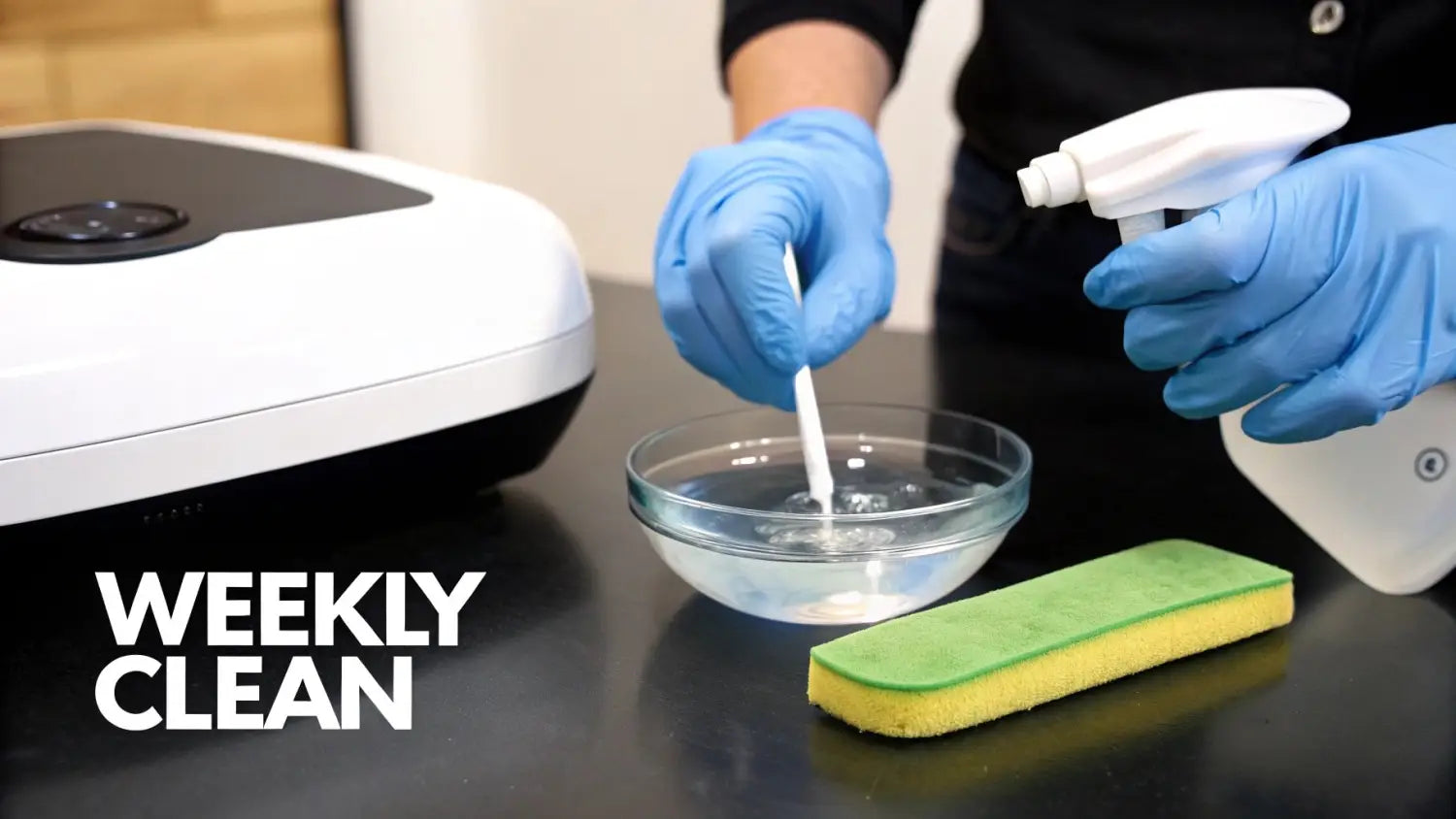
Think of this as your go-to cheat sheet for solving any little issues that might come up, ensuring every session is a peaceful one.
How Many Drops of Essential Oil Should I Use?
This is easily the question I get asked most. My standard recommendation is 3 to 5 drops per 100ml of water. It's a great starting point that works beautifully for most rooms and oils.
But this isn't a rigid rule. If you're scenting a large, open-plan living area, you might want to bump it up to 6-8 drops. On the other hand, for a small bedroom or when you're using a particularly potent oil like peppermint, just 2-3 drops is often plenty.
My personal tip? Always start with less. You can easily add another drop if the scent isn't strong enough. This approach not only prevents the aroma from being overwhelming but also helps your precious oils, like our calming Blue Lotus, last much longer.
Can I Use Tap Water in My Diffuser?
You technically can use tap water, but I strongly advise against it. I always recommend using distilled or filtered water instead.
Tap water, especially here in many parts of Australia, is full of minerals. Over time, these minerals can create a fine, chalky buildup inside your diffuser. This residue can clog the delicate ultrasonic mechanism, significantly reducing its effectiveness and lifespan.
Making the switch to purified water is a simple habit that will keep your essential oil diffuser cleaner and ensure the mist it produces is as pure as your oils.
Using distilled or filtered water is one of the easiest ways to care for your diffuser. It prevents mineral buildup, ensures a strong and consistent mist, and protects the delicate internal components from damage.
Is It Safe to Leave a Diffuser on All Night?
Yes, it can be—but only if you're using a quality model with an automatic shut-off feature. This is a non-negotiable safety function that turns the device off when the water runs out, and all the diffusers in our collection include it.
That said, for the best therapeutic benefits, you don't actually need to run it all night. Your body gets the most out of shorter, more intentional sessions. I much prefer using a model with a timer or an intermittent setting.
For instance, running your diffuser for an hour or two as you wind down for bed is more than enough to enjoy the calming benefits of lavender. It sets a serene atmosphere without overwhelming your senses while you sleep. It's the perfect ritual to pair with a relaxing evening on your meditation cushion before turning in.
How Often Should I Clean My Diffuser?
For peak performance, a quick clean is a great habit to get into. I suggest a simple rinse and wipe-down after every few uses—this is especially important if you’re switching between very different scent profiles, say from citrus to something woody.
Then, give it a deeper clean at least once a week. It’s quick and easy:
- Unplug and empty any leftover water from the tank.
- Add a splash of white vinegar and water and run it for about 10-15 minutes in a well-ventilated space.
- Empty the solution and gently wipe the inside with a cotton swab, paying close attention to the ultrasonic plate at the bottom.
- Rinse with clean water and dry everything with a soft cloth.
This simple routine takes just a few minutes but prevents oily gunk from building up and ensures your diffuser works like new for years. It keeps the mechanism clear so you can enjoy pure, untainted aromas every single time.


