


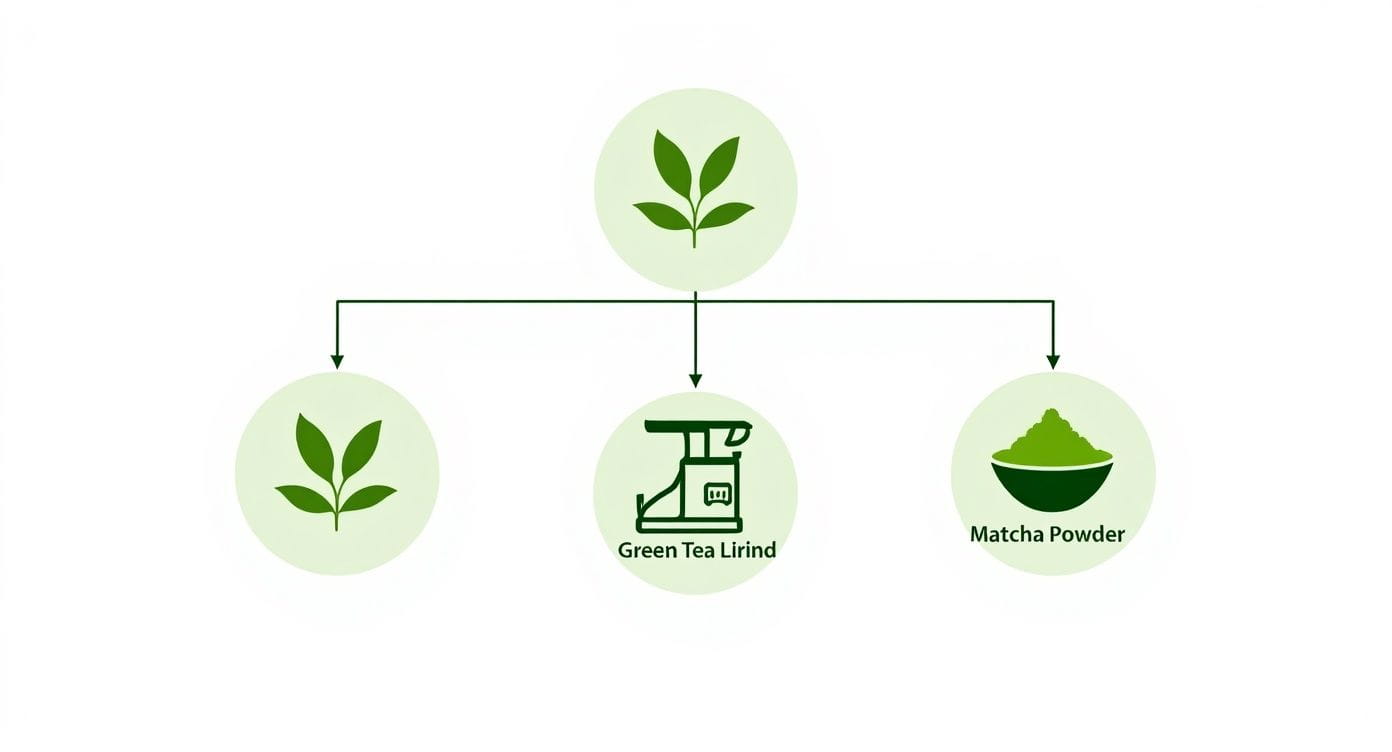
At its heart, matcha is simply whole, shade-grown green tea leaves that have been stone-ground into a fine, vibrant powder. Unlike regular green tea where you steep the leaves and then toss them, with matcha, you’re actually drinking the entire leaf.
This is the key difference, and it’s why matcha delivers a much more concentrated dose of nutrients, antioxidants, and incredible flavour.
The Journey from Sacred Ritual to Wellness Staple
Matcha didn't start its life as a trendy café latte. Its story begins as a revered part of Japanese culture, deeply connected to Zen Buddhist practices. For centuries, monks would drink matcha to help them stay in a state of calm alertness during long hours of meditation.
This wasn't just a simple beverage; it was a tool for achieving focus and mindfulness. The ritual itself demanded presence and precision. It’s this ancient wisdom that’s now being embraced all over the world, as more of us look for ways to find a little balance in our hectic lives.
This journey from the monastery to the modern kitchen is all down to its unique properties. Matcha stands apart from all other teas because of how it's grown. The tea plants, Camellia sinensis, are carefully shaded for about three to four weeks before they're harvested.
This crucial step slows down their growth, which ramps up the chlorophyll levels—giving matcha its signature brilliant green colour—and boosts the production of a very important amino acid called L-theanine.
What Makes Matcha Unique
The real magic of matcha tea powder comes from ingesting the whole tea leaf. Think of it like eating a whole carrot versus just drinking the water it was boiled in. You get 100% of the leaf's nutritional value, something you just can't get from steeped teas. This is what’s behind its incredible profile of benefits.
Here’s a quick rundown of what sets it apart:
- Shade-Grown Cultivation: This special process increases chlorophyll and L-theanine, which creates a smoother, richer, and less bitter flavour than your standard green tea.
- Stone-Grinding Process: The leaves are meticulously stone-ground into an ultra-fine powder. It's a delicate process that preserves the nutrients, which can be easily damaged by the heat from modern grinding methods.
- Whole Leaf Consumption: When you whisk the powder into water, you're consuming a suspension of the entire leaf. This means you’re getting a powerful hit of vitamins, minerals, fibre, and antioxidants.
The combination of caffeine and L-theanine in matcha is what creates that feeling often described as "calm alertness." It gives you sustained energy and focus without the jitters or the crash you often get from coffee.
This unique mix of mindful preparation and potent nutritional benefits is exactly why high-quality Matcha Green Tea Powder has become such a cornerstone of modern wellness routines. It’s more than just a tea; it’s an invitation to take a moment for yourself and a source of clean, focused energy.
Understanding where it comes from helps you appreciate the depth and care that goes into producing every single tin, and it sets the stage for exploring all the different grades and uses.
Understanding The Different Grades of Matcha
Diving into the world of matcha can feel a bit like learning about fine wine—all those little details and nuances really do matter. Not all matcha is created equal, and figuring out the differences is the key to picking the right one for your morning ritual or next kitchen creation. The grade of matcha comes down to a few things: which leaves are picked, when they’re harvested, and how they’re processed.
You'll most often hear people talk about ceremonial versus culinary grades, but there’s a bit more to it than that. This grading system isn’t just about judging quality; it's about purpose. Each grade has its own unique flavour, colour, and texture designed for a specific job, so you get the best experience whether you’re sipping it straight or blending it into a smoothie.
Ceremonial Grade: The Pinnacle of Matcha
Ceremonial grade is the absolute best quality you can get, traditionally crafted for Japanese tea ceremonies where the matcha is simply whisked with hot water and enjoyed on its own.
Think of it as the matcha version of a premium, single-origin coffee bean—you wouldn’t want to drown it in milk or sugar. It’s made from the youngest, most tender tea leaves picked during the first harvest of the year (ichibancha). These delicate leaves grow right at the top of the tea plant, giving them a higher concentration of chlorophyll and the wonderful amino acid L-theanine.
This special care results in a matcha that is:
- Vibrantly Green: It has an almost electric green colour that signals freshness and exceptional quality.
- Delicately Sweet: The flavour is naturally sweet and smooth, with a rich umami depth and absolutely no bitterness.
- Silky Smooth: The powder is ground incredibly fine, which helps create that creamy, frothy layer when you whisk it.
Because its flavour is so subtle and complex, ceremonial grade matcha is best enjoyed with just water, letting its true character shine through.
Culinary Grade: Your Versatile Kitchen Staple
Culinary grade matcha, on the other hand, is designed to be a workhorse in the kitchen. It’s made from leaves harvested later in the season, which gives it a much stronger and slightly more bitter flavour. This isn't a flaw—that boldness is intentional because it needs to stand up to other ingredients in your recipes.
This is your go-to matcha for lattes, smoothies, baking, and any other culinary experiment you can dream up. Its robust profile ensures that distinct matcha flavour doesn’t get lost when you mix it with milk, sweeteners, or flour. Don't think of it as "lower quality," but rather as "differently purposed."
If you’re curious about how all this works, you can explore the uses of different matcha grades in our detailed guide.
Premium Grade: The Best of Both Worlds
Sitting comfortably between ceremonial and culinary is premium grade matcha. It's a fantastic everyday option if you want a high-quality matcha for lattes or smoothies but don't need the super-delicate notes of a ceremonial blend. It's more affordable than ceremonial grade but has a smoother, less bitter taste than culinary grade.
Think of it as the perfect all-rounder for daily drinking. It has a beautiful green colour and a fine texture that whisks up nicely, making it ideal for a top-notch matcha latte where you still want that authentic flavour to come through.
Matcha Grades at a Glance
To make it even simpler, here's a quick comparison to help you choose the right matcha for your needs.
| Attribute | Ceremonial Grade | Premium Grade | Culinary Grade |
|---|---|---|---|
| Best For | Traditional tea, sipping with water | High-quality lattes, smoothies, daily drinking | Baking, cooking, mixed drinks |
| Flavour | Delicate, sweet, rich umami, no bitterness | Smooth, balanced, slight sweetness | Bold, robust, slightly bitter |
| Colour | Vibrant, electric green | Bright green | Muted, slightly yellowish-green |
| Texture | Silky-fine powder | Very fine powder | Fine, but slightly less so |
| Harvest | First harvest (youngest leaves) | First or second harvest | Later harvests (more mature leaves) |
| Price | Highest | Mid-range | Most affordable |
This table should give you a clear idea of where each grade shines. It’s all about matching the matcha to the moment!
The love for matcha in all its forms has exploded recently. In Australia alone, the matcha tea market pulled in USD $35.4 million in revenue last year, and the powder form made up over 55% of that. It's clear that Aussies appreciate both high-quality sipping teas and versatile powders for the kitchen.
The Wellness Benefits of Drinking Matcha
Matcha has well and truly earned its spot as a wellness favourite, and not just for its unique, earthy flavour. It’s what’s inside that counts. When you drink a cup of matcha, you’re actually consuming the entire tea leaf, which unlocks a super-concentrated source of powerful compounds that support both mind and body. This unique synergy is what really sets matcha apart.
One of its most celebrated qualities is an incredibly high concentration of antioxidants. These are your body’s natural defenders, working to neutralise harmful free radicals and fight oxidative stress—a key factor linked to cellular ageing and various health concerns.
Within this antioxidant army, a specific group of catechins stands out, especially one called epigallocatechin gallate (EGCG). Matcha contains heaps more EGCG than standard green tea, giving your body's protective systems a potent boost. Think of it as a daily shield for your cells against environmental stressors.
The Magic of Calm Alertness
Perhaps the most unique experience matcha offers is that feeling of calm, focused energy. This isn't the jittery, anxious buzz you might get from a strong coffee. Instead, it’s a smooth, sustained alertness that can last for hours, followed by a gentle return to your baseline—without the dreaded crash.
This remarkable effect comes down to the dynamic partnership between caffeine and a rare amino acid called L-theanine. While matcha definitely contains caffeine, L-theanine works to moderate its release into your system.
- L-theanine encourages a state of relaxation by promoting alpha wave activity in the brain—the same brainwaves you experience during meditation.
- Caffeine provides that gentle lift in energy and focus we all need.
Together, they strike a perfect balance. You get the mental clarity from the caffeine, beautifully smoothed out by the calming influence of L-theanine. This makes our Matcha Green Tea Powder an ideal companion for a productive workday, a mindful session with a meditation cushion, or before you head to your yoga mat.
This unique combination of sustained energy without the typical caffeine crash has resonated strongly with health-conscious Australian consumers. The functional benefits of matcha have seen its use expand far beyond traditional tea, appearing everywhere from lattes and desserts to nutrient-packed smoothies. Explore more about the Australian matcha market.
Supporting Cognitive Function and Metabolism
The benefits don't stop there. The L-theanine and caffeine duo not only helps with focus but has also been shown to support memory and sharpen reaction times. Sipping on matcha can help you feel mentally sharp and ready to tackle whatever the day throws at you.
On top of that, the catechins in matcha, especially EGCG, are known to support metabolic function. Regular consumption can help gently boost your metabolism, encouraging the body to burn fat more efficiently. It’s a fantastic addition to a balanced diet and an active lifestyle, helping you move closer to your wellness goals.
When you're building a complete wellness routine, matcha pairs exceptionally well with other supportive supplements. Try enhancing your morning smoothie by blending a scoop of matcha with our high-quality Vegan Protein Powder for an energy and recovery boost. For more targeted nutritional support, incorporating matcha alongside our Teelixir nutrition supplements can help create a powerful daily ritual that nurtures your body from the inside out.
How to Prepare the Perfect Cup of Matcha
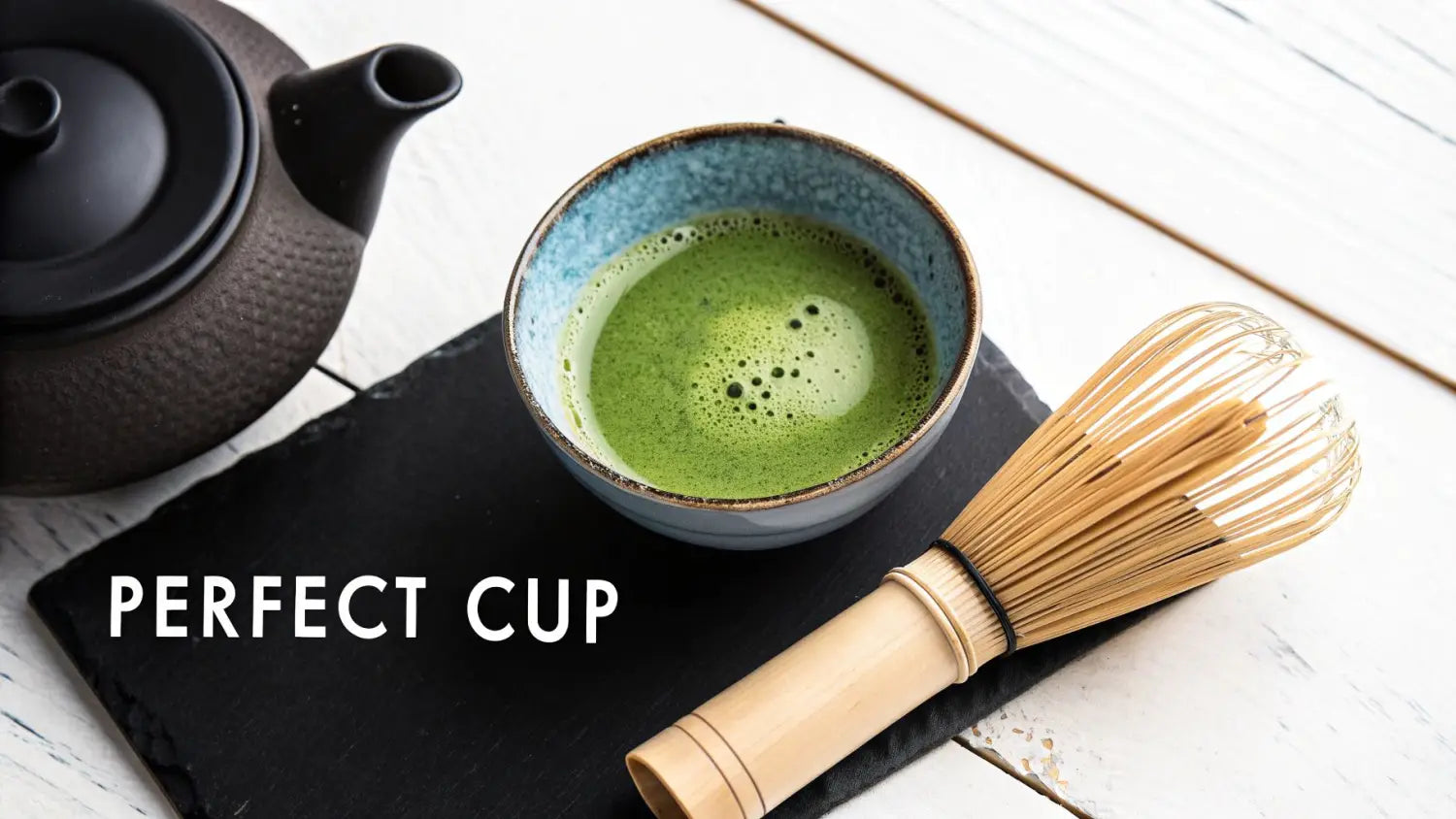
Making a beautiful bowl of matcha is a practice that can be both a quiet, meditative ritual and a quick energy boost for your day. Whether you’re honouring ancient traditions or just need a fast, modern fix, the goal is always the same: a smooth, frothy, and delicious cup of vibrant green tea.
Mastering a few key techniques is all it takes to avoid those dreaded clumps and any hint of bitterness, ensuring a flawless result every time. The process is as much an art as it is a science, blending the right tools, temperature, and technique. It transforms a simple drink into a genuine moment of calm and focus.
The Traditional Ceremonial Method
To truly connect with matcha's rich history, you can embrace the traditional Japanese tea ceremony, or chanoyu. This mindful method uses specific tools to create the perfect bowl, turning preparation into a form of moving meditation.
You’ll need a few key tools for this:
- Chawan (Tea Bowl): A wide bowl is essential as it gives you enough room to whisk properly.
- Chasen (Bamboo Whisk): This is the magic wand for creating that signature creamy froth. Its 100 fine bamboo tines are designed specifically to aerate the matcha.
- Chashaku (Bamboo Scoop): Used to measure out the perfect amount of matcha powder.
Here’s the step-by-step process for a beautiful, traditional preparation:
- Warm Your Tools: Pour a little hot water into your chawan to warm it up, then place the chasen in the water to soften its bamboo tines. Discard the water and dry the bowl completely before you start.
- Sift the Matcha: Using the chashaku, measure 1-2 scoops (about 1 teaspoon or 2 grams) into a fine-mesh sieve held over your bowl. Sifting is non-negotiable; it’s the secret to preventing clumps and getting that silky-smooth texture.
- Add Hot Water: Pour roughly 60ml of hot, but not boiling, water over the matcha. The sweet spot is around 80°C. If the water is too hot, it will scorch the delicate powder, leaving you with a bitter taste.
- Whisk Vigorously: Hold the bowl firmly and whisk the matcha using a rapid "W" or "M" motion from the wrist. You're aiming to create a thick, frothy layer of tiny bubbles on the surface, which should only take about 20-30 seconds.
- Enjoy Immediately: Drink your matcha straight from the bowl, taking a moment to savour its rich umami flavour and wonderfully creamy texture.
The Modern Quick Method
For those days when life is moving a bit too fast, you don’t need the traditional tools to enjoy a fantastic cup of matcha. A simple electric milk frother is an excellent substitute for a bamboo whisk and can deliver a perfectly blended drink in seconds.
This method is brilliant for making matcha lattes or for when you’re simply short on time.
While the tools are different, the core principles stay the same. Sifting your matcha and using the correct water temperature are just as crucial here to avoid bitterness and ensure a smooth consistency.
Here’s how to do it:
- Sift 1 teaspoon of matcha powder directly into your mug.
- Add just a splash of hot water (around 80°C) and mix it into a smooth paste.
- Use an electric frother to blend the paste until it's completely lump-free.
- Top it up with more hot water for a classic tea or with steamed milk for a delicious, creamy latte.
This quick and easy approach makes it simple to bring the benefits of matcha tea powder into even the busiest of mornings. For more tips and tricks, check out The Ultimate Guide to Mastering Matcha at Home, which offers even more great insights.
Creative Ways to Use Matcha in Your Kitchen
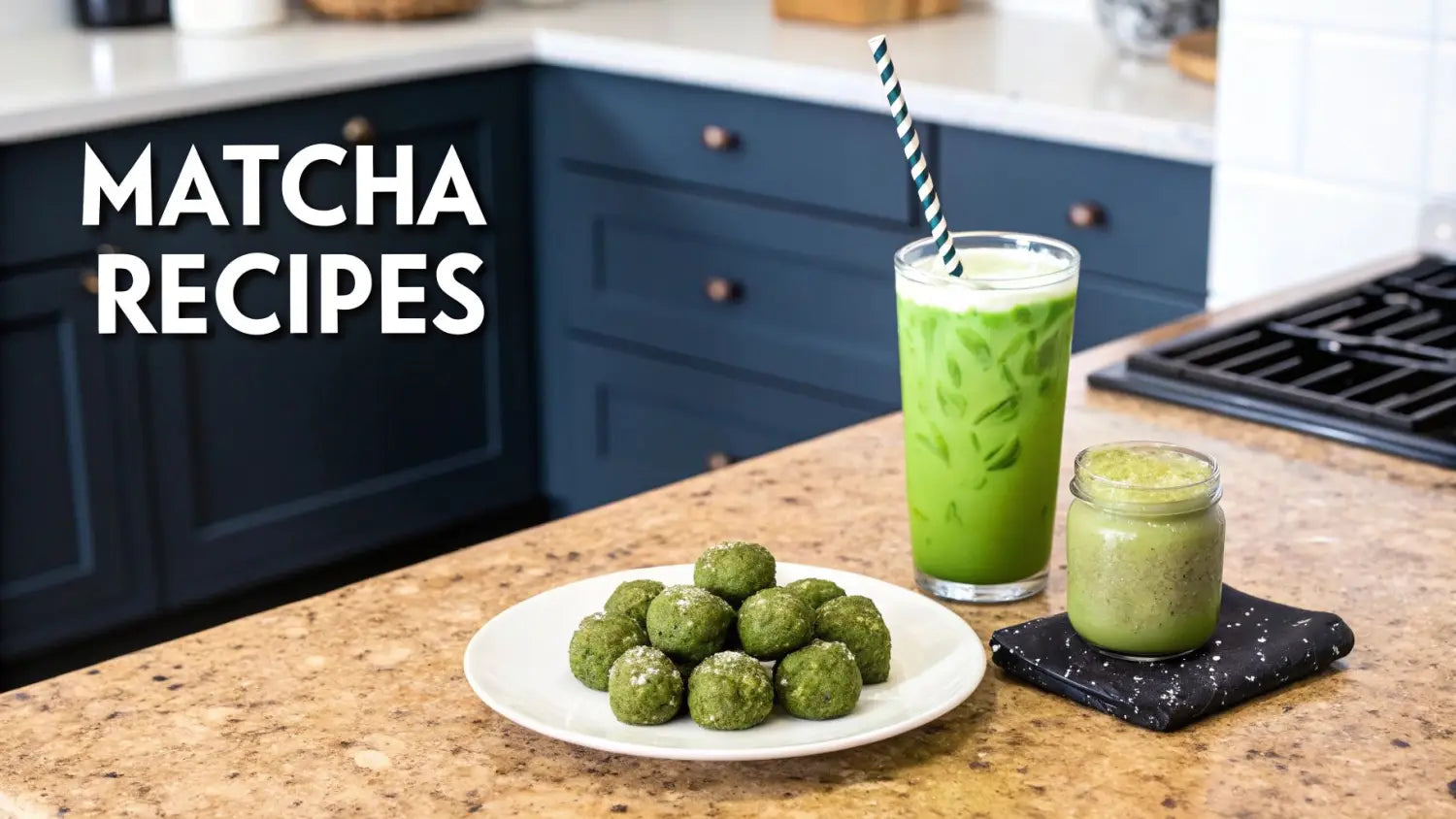
While there's a certain magic to a traditionally prepared bowl of matcha, the potential of this vibrant powder stretches far beyond the tea ceremony. Its unique, earthy flavour and brilliant green colour make it an incredibly versatile ingredient, ready to transform everything from your morning latte to your afternoon snack.
For cooking and mixing, you'll want to reach for culinary-grade matcha tea powder. It's designed specifically for this purpose, with a more robust flavour profile that holds its own against other ingredients like milk, fruit, or sweeteners.
Let's get your inner chef inspired with a few simple, delicious ways to bring matcha's goodness into your daily routine.
How to Make a Creamy Matcha Latte
There's no need to pay café prices when making a perfect matcha latte at home is this simple. This recipe works beautifully whether you're craving something steaming hot on a cool morning or refreshingly iced on a summer arvo.
For a Hot Matcha Latte:
- Sift 1 teaspoon of culinary-grade matcha into a mug to get rid of any clumps.
- Add a splash of hot water (about 60ml at around 80°C) and whisk until you have a smooth, vibrant green paste. An electric frother is a game-changer here.
- Heat and froth 200ml of your favourite milk—oat, almond, and dairy all work wonderfully.
- Pour the frothed milk over the matcha paste and stir gently. Add a touch of honey or maple syrup if you like it sweet.
For an Iced Matcha Latte:
Just follow the first two steps. Then, fill a tall glass with ice, pour in 200ml of cold milk, and top it with your concentrated matcha shot. Watch the beautiful layers swirl together as you stir.
Nutrient-Dense Matcha Green Smoothie
For a truly powerful start to the day, nothing beats a matcha green smoothie. It delivers sustained energy and a serious dose of nutrients in one delicious glass. This recipe is designed to be a balanced mix of protein, healthy fats, and antioxidants.
By adding a scoop of protein, you can easily turn this from a simple drink into a complete meal replacement or a fantastic post-workout recovery shake.
Combining the calm, focused energy from matcha with the muscle-repairing benefits of protein creates a perfect blend for an active lifestyle. Our Vegan Protein Powder mixes in seamlessly, adding a creamy texture without overpowering that delicate matcha flavour.
What You'll Need:
- 1 teaspoon of culinary-grade Matcha Green Tea Powder
- 1 scoop of vanilla or unflavoured Vegan Protein Powder
- 1 frozen banana for natural sweetness and a creamy base
- A large handful of fresh spinach
- 1 tablespoon of chia seeds or almond butter for healthy fats
- 250ml of your milk of choice or coconut water
Just throw everything into a blender and blend until it's completely smooth. It’s a brilliant way to fuel your body and mind.
Energising Matcha Bliss Balls
When that 3 pm slump hits, these no-bake matcha bliss balls are the perfect healthy snack to have on hand. They’re packed with wholesome ingredients that give you a quick energy boost without the dreaded sugar crash.
Best of all, they're incredibly easy to whip up and keep in the fridge for a convenient grab-and-go treat all week.
The Simple Recipe:
- In a food processor, blitz 1 cup of rolled oats, ½ cup of cashews or almonds, and ½ cup of shredded coconut.
- Add 2 tablespoons of matcha powder, ¼ cup of maple syrup, and 2 tablespoons of coconut oil.
- Blend again until the mixture gets sticky and holds together when you press it.
- Roll it all into bite-sized balls and coat them in extra shredded coconut or a dusting of matcha powder.
- Pop them in the fridge for at least 30 minutes to firm up.
How to Choose High-Quality Matcha Powder
With so many matcha powders on the market, telling the difference between a truly exceptional tin and an average one can feel a bit tricky at first. But once you know what to look for, it's actually quite simple. Your own senses are the best guide for spotting the key signs that separate a premium powder from a subpar one.
By paying attention to a few specific details—the same ones we use to curate our own collection—you can confidently pick a matcha that delivers that authentic, smooth flavour and all the wellness benefits you’re after.
Look for a Vibrant Green Colour
The first and most obvious sign of high-quality matcha is its colour. Exceptional matcha should have a vibrant, almost electric-green hue. This brilliant colour comes from the high levels of chlorophyll that develop when the tea leaves are properly shade-grown before the harvest.
If you open a tin and find a dull, swampy, or yellowish-brown powder, that’s a clear red flag. This usually means the matcha is old, was made from lower-quality leaves, or wasn’t processed and stored correctly. Always look for that vivid green as your first seal of approval.
Assess the Texture and Aroma
Next, get a feel for the texture. High-grade matcha is stone-ground into an incredibly fine, silky powder. When you rub a small amount between your fingers, it should feel as soft and smooth as eyeshadow. A gritty or coarse texture suggests it was ground using less traditional, more aggressive methods, which can damage the delicate flavour.
The aroma is just as important. A fresh, top-quality matcha will have a sweet, vegetal scent with creamy, nutty undertones. It should smell inviting and alive. If it smells dusty, like hay, or just plain bitter, it's likely past its prime.
A superior matcha appeals to all the senses. The combination of its brilliant colour, silky feel, and fresh, sweet aroma are all hallmarks of a product that has been grown and crafted with care, from the shaded fields of Japan to your cup. For more in-depth advice, you can read our essential guide to spotting high-quality matcha.
Understand the Importance of Origin
Authentic, high-grade matcha almost always comes from Japan. Regions like Uji, Nishio, and Fukuoka are famous for their centuries-old tea cultivation traditions, and for good reason. While matcha is produced elsewhere, Japanese growers have perfected the specific shading and grinding techniques required to create a truly superior product.
Checking the country of origin is a crucial step. It helps ensure you're getting genuine, high-quality matcha crafted with expertise. The demand for authentic Japanese matcha has also influenced its price here in Australia, where recent supply challenges have led to significant cost increases. The price for tencha—the leaf used for matcha—hit a record high in Kyoto, rising by 170 percent in just one year, which has directly affected suppliers. Learn more about the booming matcha market in Australia.
Your Matcha Questions, Answered
To wrap things up, let's go through some of the most common questions people have when they start exploring the world of matcha tea powder. We want you to feel completely comfortable and in the know as you begin.
How Much Caffeine Is in Matcha Compared to Coffee?
A standard serve of matcha usually has between 35-70 mg of caffeine, which is quite a bit less than your average cup of coffee (95-200 mg). But the numbers don't tell the whole story. The magic is in how your body uses that caffeine.
Matcha is packed with an incredible amino acid called L-theanine. It works in harmony with the caffeine, slowing its absorption right down. This gives you a smooth, sustained lift in energy and focus that lasts for hours, without any of the jittery feelings or the dreaded afternoon crash that coffee can bring.
What Is the Best Way to Store Matcha Powder?
Think of matcha as a delicate fresh ingredient. It's really sensitive to light, heat, and air, which can dull its vibrant colour and beautiful flavour. Proper storage is everything.
Always keep your matcha powder in an airtight, non-transparent container. The fridge is the ideal spot to keep it cool and dark, especially after you've opened the package. A good, tight seal is non-negotiable—it stops the powder from picking up moisture or any unwanted smells from other foods.
Is It Okay to Drink Matcha Every Day?
Absolutely! For most of us, enjoying one or two cups of matcha each day is a brilliant and beneficial part of a healthy routine. It's a unique powerhouse of antioxidants, calming L-theanine, and a gentle caffeine lift that makes it a perfect daily ritual.
Of course, just like with anything containing caffeine, moderation is key. It's always a good idea to listen to your own body and see how you feel.
What Does Matcha Taste Like?
High-quality matcha has a truly beautiful and complex flavour. It starts with a fresh, grassy, almost vegetal note, which then opens up into a deep, satisfying savoury flavour we call 'umami'.
To finish, you get a hint of natural, subtle sweetness. When it's made well, good matcha should never taste harsh or bitter. The exact profile can change a little depending on the grade, with ceremonial grades offering the smoothest and sweetest experience.
Ready to experience the calm, focused energy of this ancient superfood? Wellness Apothecary offers premium, high-quality Matcha Green Tea Powder perfect for elevating your daily rituals.


