


So, what exactly is an oxygen supplement? Put simply, it’s any product designed to increase the amount of oxygen in your body. They're often marketed with big promises, like boosting athletic performance, speeding up recovery, and sharpening mental clarity. You’ll see them in a few different forms, such as canned oxygen, oxygenated water, and liquid stabilised oxygen drops.
Decoding the Oxygen Supplement Trend
Have you seen the growing number of oxygen supplements popping up in wellness circles and wondered what they're all about? From portable canisters for athletes to little drops you add to your water, these products are getting a lot of attention for their claims of enhancing vitality. The idea behind them is simple and very appealing: more oxygen equals better performance.
Think of your body's circulatory system like a high-performance engine. Oxygen is the premium fuel that powers every single cell. In this scenario, an oxygen supplement is sold as a high-octane booster, promising to supercharge your system for sharper focus, quicker recovery, and more energy.
Why Are They Gaining Popularity?
The appeal of oxygen supplements is strongest in the wellness and athletic communities, where even a tiny edge in performance can feel like a huge win. The core claims usually circle back to a few key areas:
- Enhanced Athletic Performance: The theory is that extra oxygen helps your muscles work harder and longer before they start to feel tired.
- Faster Post-Workout Recovery: Proponents suggest that more oxygen can help flush out lactic acid and reduce muscle soreness after a tough workout, whether it's a long run or a challenging session on a yoga mat.
- Improved Mental Clarity and Focus: Your brain needs oxygen just as much as your muscles do. The promise is that a little boost can help clear away mental fog and improve concentration, much like the focused state you might find during meditation on a meditation cushion.
This trend taps into a universal desire for more energy and vitality. It positions oxygen not just as something we need to live, but as a tool for optimisation.
While the concept sounds straightforward, it’s important to approach these claims with a healthy dose of curiosity. The science behind how well these non-medical products actually deliver on their promises is a bit more complicated. In this guide, we'll break it all down, giving you a clear, balanced look at what oxygen supplements are, what the evidence says, and how you can naturally support your body's own incredible respiratory system.
Exploring the Different Types of Oxygen Supplements
When you start digging into oxygen supplements, you’ll find it’s not a one-size-fits-all situation. The term is really a broad umbrella covering a few very different products, each with its own way of working and its own set of claims. Getting your head around these differences is the first step to figuring out if they have a place in your wellness routine.
To cut through the noise, let’s break them down into the three main types you’re likely to come across on the market.
Inhaled or 'Canned' Oxygen
This is probably the most straightforward type. Sold in small, portable canisters, canned oxygen gives you a quick, direct hit of concentrated oxygen gas.
Think of it as a pocket-sized breath of fresh air. It’s often used by athletes after a hard sprint or hikers at high altitudes to get an immediate, short-term lift. The whole idea is to quickly top up the oxygen saturation in your blood when you need it most. It’s all about speed and convenience, though the effects are pretty fleeting.
Oxygenated Water
Next up, we have oxygenated water. This is simply purified water that’s been infused with extra oxygen molecules—way more than you’d find in regular tap water.
The concept is a bit like making a soft drink, but instead of pumping in carbon dioxide for fizz, they pump in oxygen. The theory is that when you drink it, your digestive system absorbs this extra O2 directly into the bloodstream. It's often marketed for better hydration and a gentle, all-day energy boost, without the jolt of other supplements.
Liquid Stabilised Oxygen
Finally, there’s liquid stabilised oxygen. This usually comes as a concentrated liquid in a small dropper bottle and is perhaps the most complex of the lot.
You can think of it as a ‘time-release’ capsule for oxygen. The liquid contains compounds that hold onto oxygen molecules, keeping them stable. When you add the drops to water and drink it, your body’s natural processes are meant to break these bonds, releasing the oxygen slowly for your cells to use over time.
This method is pitched for more sustained support—aiming to improve overall cellular function and recovery rather than giving you an instant rush.
As this flowchart shows, the ultimate goal behind all these supplements is pretty similar: giving your energy, performance, and focus a helping hand.
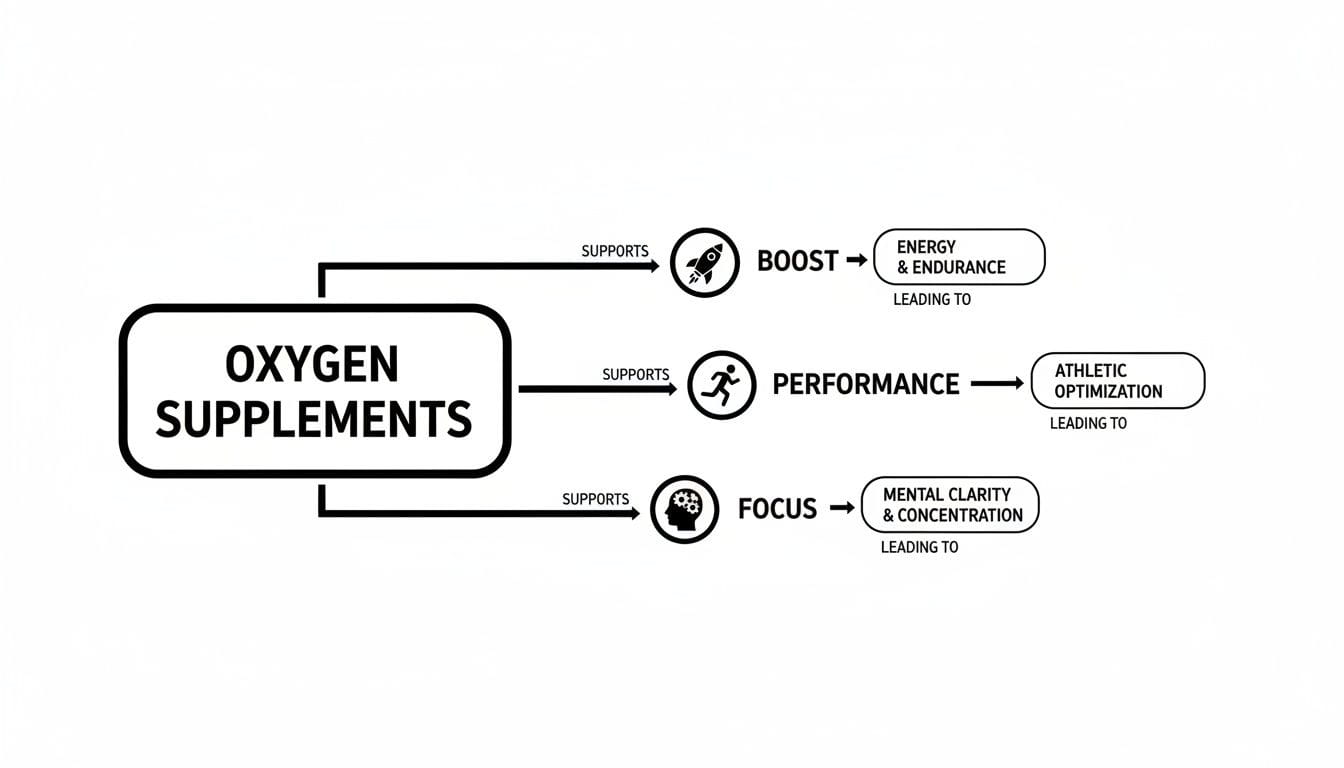
Whether it's a quick boost from a can or a slow release from a liquid, the core promise revolves around optimising your body's most essential fuel.
To help you see how these stack up against each other, here’s a quick comparison.
A Quick Comparison of Common Oxygen Supplements
| Supplement Type | How It Works | Commonly Used For | Scientific Backing |
|---|---|---|---|
| Canned Oxygen | Direct inhalation of concentrated oxygen gas into the lungs. | Quick, short-term boost for athletic recovery or altitude adjustment. | Effects are real but very temporary. Not a long-term solution. |
| Oxygenated Water | Drinking water infused with extra oxygen, claiming absorption via the digestive tract. | General hydration, mild energy lift, and exercise performance. | Highly debated. The gut isn't designed to absorb much oxygen, and most is likely lost. |
| Liquid Oxygen | Ingesting stabilised oxygen compounds that release O2 over time in the body. | Sustained cellular energy, enhanced endurance, and overall vitality. | Very limited credible research. The mechanism of action is largely theoretical. |
While the concepts are appealing, it’s vital to look at them with a healthy dose of scientific scepticism, which is exactly what we’ll dive into next.
What Science Says About Boosting Oxygenation
When you're exploring the wellness world, it's easy to get swept up in exciting claims. But it's always smart to separate marketing promises from biological reality. The idea of an oxygen supplement sounds incredibly powerful, doesn't it? Yet, the science behind most over-the-counter products is a lot more nuanced than the labels suggest.
To really get a grip on what these products can (and can't) do, we first need to draw a clear line between them and their medical-grade cousins.
Medical oxygen therapy is a serious, prescribed treatment for conditions like chronic obstructive pulmonary disease (COPD). It’s a regulated therapy that delivers highly concentrated oxygen to people whose bodies genuinely can't maintain safe oxygen levels on their own. It's a life-saving intervention with mountains of proof behind it.
Wellness-focused oxygen supplements, on the other hand, play in a completely different ballpark. They are not designed to treat, cure, or prevent any medical condition.
Athletic Performance and Oxygen Boosts
One of the loudest claims you'll hear from oxygen supplement brands is that they can supercharge your athletic performance. The theory goes that by pumping more oxygen into your system, you can fend off muscle fatigue and boost your endurance. It sounds logical, but the actual scientific studies show a mixed bag of results, most of which are pretty underwhelming.
Here's the thing: the human body is already incredibly good at pulling oxygen from the air we breathe. A healthy person’s blood is typically 95% to 100% saturated with oxygen. That means there’s very little room for extra.
While some studies show a small benefit from inhaling supplemental oxygen during a gruelling workout, taking a few puffs from a can before or after you exercise hasn’t been shown to make any real difference to your performance or recovery.
The biggest challenge is that our bodies can't store extra oxygen for later. Any surplus you breathe in is quickly expelled, meaning the effects of a brief top-up are incredibly short-lived.
The Hurdle of Absorption
The real scientific roadblock for many of these supplements comes down to basic biology. Our lungs are a masterpiece of natural engineering, with a massive surface area perfectly designed for gas exchange. Trying to get oxygen into the body any other way runs into some major challenges.
- Oral Supplements (Water & Drops): Our digestive system simply isn't built to absorb oxygen gas. Any extra O2 you drink in oxygenated water is far more likely to come back up as a burp than get absorbed into your bloodstream through your stomach.
- Brief Inhalation (Canned Oxygen): While the lungs are the right delivery system, a few short breaths from a can provide a minuscule amount of oxygen compared to what you breathe in naturally every minute. For a healthy person, the impact is tiny and fleeting.
This biological reality is why so many studies can't find the dramatic benefits advertised on the bottle. If you want to dive deeper into the nuts and bolts of different oxygen therapies, you can read more about the science behind pure oxygen therapy in our detailed guide.
The Focus on Natural Vitality
Even with the shaky science for general wellness, it's clear that people are very interested in supporting their respiratory health. This strong interest shows that we're all looking for ways to feel our best and breathe easier. The key takeaway, though, is that for most of us, the best path to better oxygenation isn’t found in a can or a bottle. It’s about supporting the incredibly powerful systems our bodies already have, using natural and proven methods that align with a holistic lifestyle.
How to Naturally Boost Your Oxygen Levels

While the market for oxygen supplements might be tempting, the most powerful and sustainable way to improve your body's oxygenation is by supporting its own incredible systems. Instead of looking for an external fix, you can make simple yet profound lifestyle shifts that enhance lung capacity, improve circulation, and ensure every cell gets the fuel it needs.
These natural methods work with your body, not just on it, creating lasting benefits for your overall vitality. Let's explore some of the most effective techniques you can start weaving into your daily routine.
Master Your Breath for Better Oxygen Uptake
The most direct way to influence your oxygen levels is through your breath. It sounds simple, but many of us go through the day with shallow, inefficient breaths that only use a fraction of our lung capacity. By practising mindful breathing exercises, you can train your body to take in more oxygen and use it far more effectively.
Diaphragmatic breathing, often called "belly breathing," is the cornerstone of this practice. It involves engaging the diaphragm—that large muscle at the base of the lungs—to draw air deeper into the lower lobes where gas exchange is most efficient.
By consciously breathing from your diaphragm, you can increase your oxygen saturation, lower your heart rate, and even reduce stress. It's a foundational practice that costs nothing but offers immense rewards for both mind and body.
To start, find a comfortable space. Lying flat on a supportive yoga mat or sitting upright on a meditation cushion can help you maintain good posture and focus. Place one hand on your chest and the other on your belly. As you inhale slowly through your nose, focus on making your belly rise while your chest stays relatively still. Then, exhale slowly, feeling your belly fall. It’s that simple.
Fuel Your Body with Oxygen-Supporting Nutrition
What you eat plays a crucial role in your body's ability to transport oxygen. The key player here is haemoglobin, a protein in your red blood cells that acts like an oxygen magnet, grabbing it in the lungs and delivering it everywhere it needs to go. To build healthy haemoglobin, your body needs a steady supply of iron.
Without enough iron, you can develop anaemia, a condition that means you don't have enough healthy red blood cells to carry sufficient oxygen. This can leave you feeling drained, short of breath, and mentally foggy.
To support your body's oxygen-carrying capacity, try to include more iron-rich foods in your diet:
- Lean Meats: Red meat and poultry are fantastic sources of heme iron, which is very easily absorbed.
- Leafy Greens: Spinach, kale, and other dark greens are packed with non-heme iron.
- Legumes: Lentils, chickpeas, and beans are brilliant plant-based sources.
- Nuts and Seeds: Pumpkin seeds and cashews offer a healthy dose of iron.
A simple tip: pairing these foods with sources of Vitamin C, like citrus fruits or capsicums, can dramatically boost iron absorption.
Beyond iron, certain functional foods can support respiratory health and energy. Teelixir's Cordyceps Mushroom powder is a perfect example. Used for centuries to support vitality and lung function, Cordyceps is famous for its ability to enhance the body's use of oxygen and improve athletic performance. You can learn more about the extensive benefits of medicinal mushrooms in our detailed guide.
Move Your Body to Move Oxygen
Regular physical activity is one of the best things you can do to boost circulation and improve oxygen delivery. When you get your heart rate up with cardiovascular exercise, it pumps more strongly and efficiently, pushing oxygen-rich blood to every corner of your body.
Consistent cardio—like running, cycling, or even a brisk walk—prompts your body to build more capillaries, the tiny blood vessels that deliver oxygen directly to your muscles and organs. It also strengthens your heart and lungs, making your whole respiratory system more robust.
Even lower-impact activities can be incredibly beneficial. Practices like Vinyasa yoga create a dynamic workout by syncing flowing movements with deep breathing, which elevates your heart rate and enhances circulation while also training your breath control.
Embrace Cold Therapy for Circulatory Fitness
For a truly powerful boost to your circulatory system, consider giving cold therapy a try. Practices like taking a plunge in a portable ice bath trigger a fascinating response in the body.
When you're exposed to cold, your blood vessels constrict, shunting blood away from your skin and toward your core to protect your vital organs. As soon as you get out, the vessels rapidly expand, causing a rush of fresh, oxygen-rich blood to flow back through your entire system.
You can think of this process as a workout for your circulatory system, improving its elasticity and efficiency over time. Regular cold exposure can lead to better blood flow, reduced inflammation, and faster recovery—all contributing to better overall oxygenation. It's a simple but potent tool for building a more resilient and energised body from the inside out.
Creating a Home Environment for Respiratory Wellness

We spend a lot of time thinking about what we put in our bodies, but what about the environment we live in? The air we breathe at home plays a massive part in our respiratory health. Building a home sanctuary that supports clear, easy breathing is a powerful way to boost your wellbeing and complement any other wellness practices you follow.
Think of it as creating a holistic ecosystem where your lungs can truly thrive. After all, the quality of your indoor air directly impacts your entire respiratory system. Air that's too dry, polluted, or full of allergens can irritate your airways, making it harder for your body to function at its best. Thankfully, a few simple steps can transform your home into a haven for happy lungs.
Optimising Air Quality And Humidity
One of the cornerstones of a healthy home is clean, well-balanced air. Indoor air, especially during winter or in air-conditioned spaces, can often become uncomfortably dry. This dry air can dehydrate your respiratory tract, leaving it more vulnerable to irritation and germs.
A high-quality humidifier is one of the easiest ways to restore healthy moisture to the air. By soothing your airways and mucous membranes, it can make breathing feel much more comfortable, especially at night. For anyone with sensitivities, maintaining optimal humidity can be a real game-changer for restful sleep.
To take things up a notch, consider adding an essential oil diffuser to your space. You can introduce the therapeutic properties of different oils into the air you breathe.
- Eucalyptus Oil: Famous for its ability to support clear breathing and open up airways.
- Peppermint Oil: Delivers a cooling, refreshing sensation that helps you feel more alert and invigorated.
- Lavender Oil: A classic for promoting relaxation—which is crucial, as stress often leads to shallow, inefficient breathing.
This isn't about replacing an oxygen supplement, but about creating a supportive foundation. It ensures the air you breathe every day is gentle and nourishing, which is the first step toward respiratory vitality.
Purifying Your Personal Space
Beyond just humidity, it's essential to remove airborne particles. Dust, pollen, pet dander, and other pollutants inevitably accumulate indoors, placing an extra burden on your lungs. A good air purifier with a HEPA filter is a fantastic tool for trapping these microscopic irritants before you have a chance to inhale them. Our Devanti Air Purifier with HEPA filter is a great example of an effective model.
Creating a clean breathing environment is a key aspect of proactive respiratory support, making complementary wellness tools like purifiers and diffusers more important than ever for a healthy, vibrant home.
Nourishing From Within
Finally, protecting your lungs from environmental stressors also happens from the inside out. Fuelling your body with antioxidant-rich foods and drinks helps defend your lung tissue against oxidative damage.
Adding a daily cup of matcha green tea powder to your routine is a superb way to do this. It’s packed with catechins—powerful antioxidants that support cellular health throughout your body, including your respiratory system. When you pair this inner nourishment with mindful movement in comfortable activewear, you’re creating a holistic approach that nurtures your body’s ability to breathe deeply and efficiently.
Who Should Consider Oxygen Supplements?
When you’re exploring the world of wellness, it’s smart to approach everything with a safety-first mindset. That’s especially true when we’re talking about something as essential as oxygen supplements. The idea of boosting your body’s main fuel source sounds great, but these products aren’t for everyone.
There’s one rule that’s simple and non-negotiable: if you have any pre-existing medical condition, particularly anything to do with your heart or lungs, you must consult your doctor before trying any oxygen supplement. Your health is unique, and getting professional medical advice is the only way to avoid potential harm. This isn't just a friendly suggestion; it’s a critical step for taking responsible care of yourself.
Understanding the Risks and Your Role
Beyond speaking with your doctor, it’s important to know about the risks that come with over-the-counter oxygen products. For example, canned oxygen can be dangerous if it’s stored or used incorrectly. It’s also crucial to stick with reputable, transparent brands to make sure you’re actually getting what’s on the label, without any unwanted contaminants.
For most healthy people, the natural and holistic methods we talked about earlier are a much safer, more sustainable, and scientifically-backed way to feel your best. Practices like diaphragmatic breathing on a comfy meditation cushion, regular cardio, and supportive nutrition offer lasting benefits without the risks.
The goal should be to build a resilient respiratory system from the inside out. True vitality comes from supporting your body's innate wisdom, not from seeking a temporary, external fix.
What the Growing Australian Market Means for You
There’s a growing interest in respiratory support here in Australia. This trend highlights a broader interest in respiratory wellness, and it’s a great reminder of how we can create a supportive home environment with simple tools like humidifiers or herbal supplements from our Teelixir range. By making informed choices, you can tap into this wellness movement in a way that’s both safe and genuinely good for your long-term health.
Your Questions on Oxygen Supplements, Answered
When you're exploring new avenues in wellness, it's natural to have questions. Let's clear up some of the common queries about oxygen supplements so you can feel confident in the choices you make for your health.
Are Over-the-Counter Oxygen Supplements the Same as Medical Oxygen?
Not at all—they are worlds apart. Medical oxygen is a highly concentrated gas, often over 95% pure oxygen, that a doctor prescribes to treat serious health conditions where the body can't get enough oxygen on its own.
Products you find online or in stores, like canned oxygen or oxygenated water, have much, much lower concentrations. They aren’t regulated for medical use and simply can't be compared to a prescribed treatment.
Can an Oxygen Supplement Improve My Yoga or Meditation Practice?
There’s really no solid science to suggest it can. A far more powerful and time-tested way to deepen your practice is to focus on pranayama—the art of controlled breathing.
By focusing on your breath, you naturally improve oxygen flow and calm your nervous system. Using simple tools like a comfortable meditation cushion can also make a huge difference, helping you hold your posture so you can turn your attention inward for a truly profound experience.
What Are the Best Natural Supplements for Supporting Oxygenation?
Instead of looking for a direct "oxygen supplement," the most effective strategy is to nourish the amazing oxygen-transport systems your body already has.
Think of it like this: it's better to support the delivery driver than to just add more packages to the truck. Iron is essential for creating haemoglobin, the protein in your red blood cells that's responsible for carrying oxygen everywhere it needs to go. Functional mushrooms like Cordyceps, which you can find in our Teelixir range, also have a long history of use in traditional medicine to support respiratory health, stamina, and how efficiently the body uses oxygen. This inside-out approach is what builds real, lasting vitality.
At Wellness Apothecary, our passion is to empower your health journey with natural, effective solutions backed by both tradition and science. Explore our curated collections to find the perfect supplements and wellness tools to nurture your body and mind. Visit Wellness Apothecary today to discover our full range.


