


When you hear "pure oxygen therapy," you might picture anything from a futuristic health pod to an astronaut's helmet. The reality is both simpler and more complex. It's all about breathing oxygen at a much higher concentration than the 21% found in the air around us.
The core idea is to supercharge your body's tissues with oxygen, giving them a powerful boost to support healing and improve function. Let's break down what this really means, looking at both the serious, medically supervised treatments and the more casual wellness trends you might see popping up.
Demystifying Pure Oxygen Therapy
Think of your body like a garden. The air you breathe every day is like regular watering—it gives you exactly what you need to survive. Pure oxygen therapy, on the other hand, is like giving your garden a specialised, nutrient-rich liquid feed. It delivers a concentrated dose of exactly what your plants (or in this case, your cells) need to repair damage and grow stronger.
The main goal is to increase the amount of oxygen your blood can carry. This allows more of this vital element to reach tissues all over your body, especially areas that might be struggling with injury or inflammation.
But here’s the most important thing to grasp: "pure oxygen therapy" isn't one single thing. It exists in two completely different worlds: the clinical and the recreational. Getting this distinction right is key to understanding its potential.
The Two Sides of Oxygen Therapy
On one hand, you have medical treatments that are highly controlled, prescribed by doctors, and backed by a solid body of scientific research. These are serious interventions for specific health conditions.
-
Clinical Applications: This is where treatments like Hyperbaric Oxygen Therapy (HBOT) live. With HBOT, a patient breathes almost 100% oxygen inside a pressurised chamber. That combination of pure oxygen and increased pressure is the magic ticket—it allows your blood plasma to absorb way more oxygen than your red blood cells can carry on their own. It’s a powerful tool used for things like stubborn wounds that won't heal, injuries from radiation therapy, or even decompression sickness ("the bends") in divers.
-
Wellness & Recreational Use: This is the more accessible side of the coin, including things like oxygen bars or personal canned oxygen. In these settings, you’re usually breathing oxygen concentrated to around 95% at normal air pressure. Sometimes it's even infused with pleasant scents from an essential oil diffuser. These are pitched as quick boosts for energy, stress relief, or recovering after a big workout.
The key difference lies in pressure, supervision, and purpose. Clinical therapy uses pressure to force oxygen into the body for medical healing, while wellness applications provide a temporary, ambient boost for general wellbeing.
Understanding this divide is the first step to safely exploring the world of oxygen-based therapies. If you want to get a better handle on the clinical side, you can learn more about what hyperbaric oxygen therapy entails. This foundational knowledge helps you separate evidence-backed medical treatments from lifestyle trends, so you can make choices that are right for your own wellness journey.
The Science of Clinical Oxygen Treatments
While the idea of simply breathing in more oxygen sounds straightforward, the science behind clinical pure oxygen therapy is incredibly precise and powerful. This isn't about general wellness; it's a targeted medical intervention, with Hyperbaric Oxygen Therapy (HBOT) being the best-known example.
Think about dissolving sugar in a glass of water. At some point, the water becomes saturated, and no matter how much you stir, it just won't absorb any more sugar. But what if you could increase the pressure inside that glass? Suddenly, the water could hold much more. HBOT works on a similar principle, but instead of sugar and water, it's oxygen and your bloodstream.
This simple chart helps to show the clear line between structured, clinical therapies and the more general wellness applications you might see.
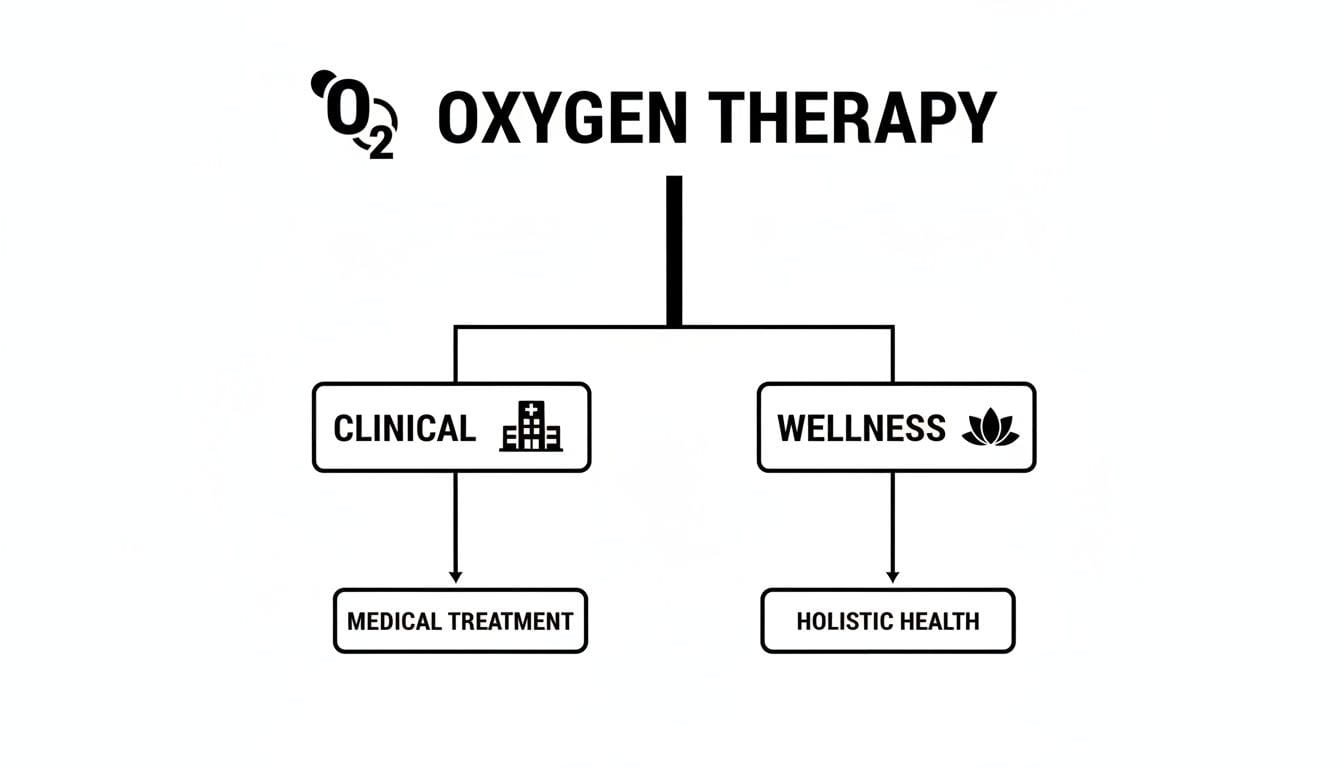
As you can see, the two paths are distinct. Clinical applications are firmly rooted in medical science and require supervised, professional procedures.
How Hyperbaric Oxygen Therapy Works
During an HBOT session, you're placed inside a specialised chamber where you breathe 100% pure oxygen. At the same time, the air pressure inside the chamber is carefully increased to between 1.5 to 3 times higher than normal.
This combination of pure oxygen and high pressure is the secret sauce. The increased pressure forces huge amounts of oxygen to dissolve directly into the blood plasma—the liquid part of your blood. This is a game-changer because it means your bloodstream can carry up to 10 to 15 times more oxygen than it normally could through red blood cells alone.
This 'super-oxygenated' blood then circulates throughout your body, reaching deep into tissues where blood flow might be restricted due to injury or illness. It floods damaged areas with the oxygen they desperately need to heal, fight off infection, and reduce inflammation. This process even encourages the growth of new blood vessels, giving your body’s natural repair systems a massive boost.
The real magic of HBOT isn't just about providing more oxygen. It's about using pressure as a vehicle to drive that oxygen deep into tissues that are essentially starved for it, kick-starting the healing process where it has stalled.
Medically Approved Uses in Australia
It’s crucial to understand that HBOT isn't a cure-all or a passing wellness trend. It is a serious medical treatment reserved for specific, approved conditions where solid scientific evidence backs its effectiveness. In Australia, these treatments are only performed in hospitals and specialised clinics under strict medical supervision.
Some of the primary conditions treated with HBOT include:
- Decompression Sickness: Often called "the bends," this affects scuba divers who come up to the surface too quickly.
- Non-Healing Wounds: This is a vital application for wounds like diabetic foot ulcers, where poor circulation has stopped the natural healing process.
- Radiation Injuries: It can help repair tissue and bone damage that can sometimes occur as a side effect of cancer radiation therapy.
- Carbon Monoxide Poisoning: HBOT works quickly to flush carbon monoxide from the body and reduce its toxic effects.
- Severe Infections: It’s used to fight certain types of serious bacterial infections, especially in the skin and bones.
The commitment to this therapy is significant. Take Wesley Hyperbaric in Queensland, a pioneer in the field since 1997. They recently celebrated delivering their 20,000th chamber compression. Over their 26-year history, the clinic has provided more than 90,000 individual treatments for approved conditions, with patients often undergoing tailored protocols of 20 to 40 sessions. You can learn more about their milestone in Australian hyperbaric medicine.
This rigorous, evidence-based approach is what separates clinical pure oxygen therapy from casual wellness applications. While both involve oxygen, their purpose, delivery method, and safety protocols are worlds apart. It’s why medical HBOT must always be administered by trained professionals in a controlled clinical environment—to ensure both patient safety and the best possible outcomes for serious health challenges.
Recreational Oxygen Bars and Wellness Trends
Stepping away from the strictly regulated world of clinical treatments, pure oxygen has carved out a popular niche for itself in the wellness space. This is where you'll find oxygen bars and personal canned oxygen, offering a much more casual and accessible experience.
Imagine settling into a comfy lounge after a long day, inhaling concentrated oxygen for about 15 to 20 minutes. The air is often infused with calming scents like lavender or peppermint, delivered gently through a nasal tube called a cannula. This is the essence of an oxygen bar experience.
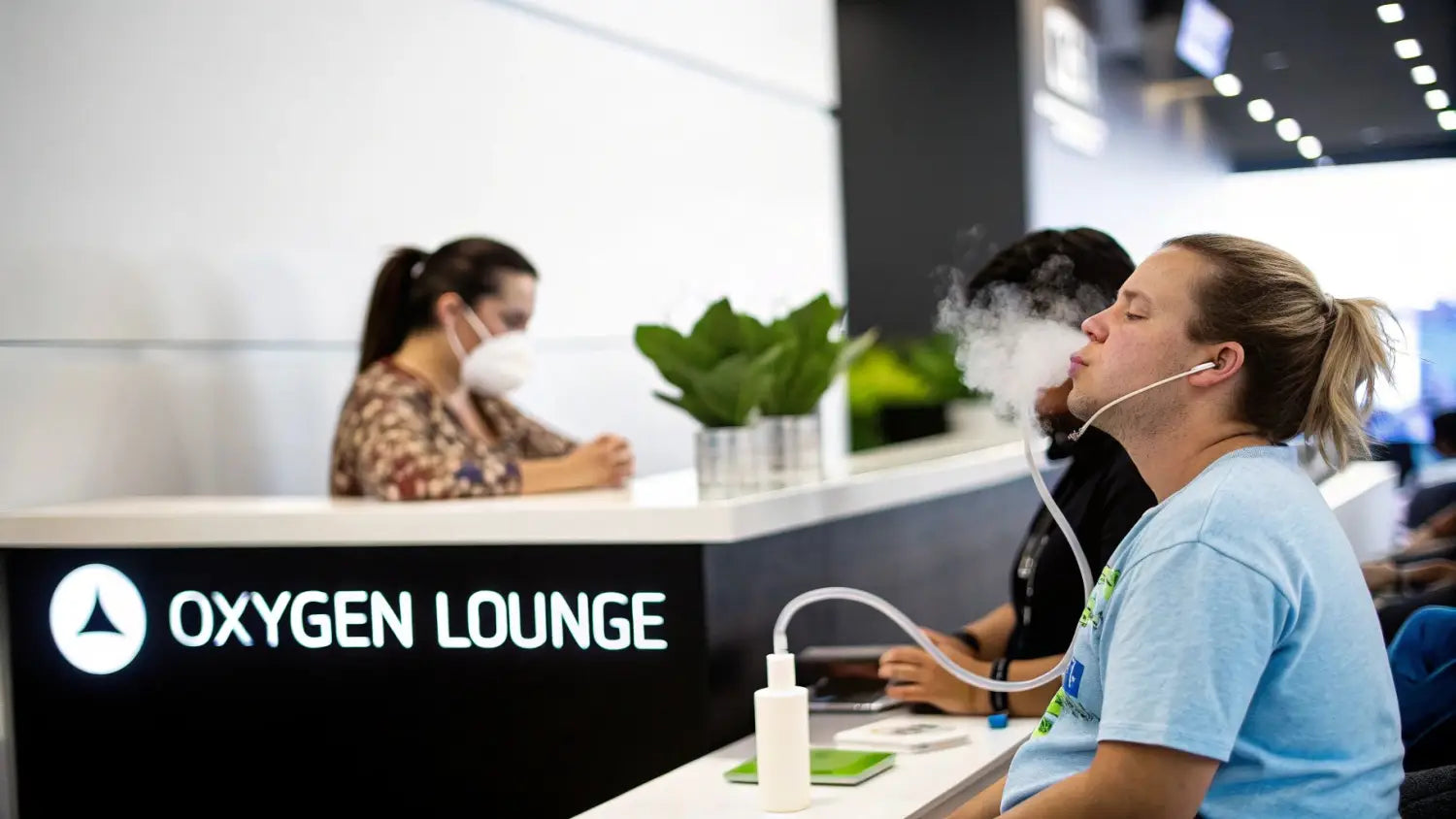
This trend taps right into our collective desire for quick, natural ways to feel better. In our fast-paced lives, the promise of an immediate, refreshing boost is incredibly appealing.
The Appeal of Instant Rejuvenation
The claims you’ll hear around recreational oxygen are certainly enticing. Proponents suggest a short session can boost energy, sharpen mental focus, reduce stress, and even help with the lingering effects of a hangover.
While many people report feeling refreshed and clear-headed afterwards, it's vital to see this as a wellness experience, not a medical treatment. The science backing these specific claims just isn't as robust as the extensive research behind clinical HBOT.
Think of it like a refreshing face mist on a hot day. It provides a pleasant, temporary lift and a moment of sensory calm, but it doesn't fundamentally change your skin's health in the long term.
What oxygen bars undoubtedly offer is a moment to pause and breathe mindfully, which is restorative in itself. The common addition of aromatherapy, often with an essential oil diffuser, can deepen this sense of relaxation and rejuvenation.
A Modern Wellness Ritual
The rise of oxygen bars perfectly reflects a broader shift in our wellness culture. We are all increasingly looking for experiences that give us a sense of control over our own wellbeing, even in small, manageable doses.
These kinds of recreational therapies fit seamlessly into a holistic lifestyle that might also include:
- Practising mindfulness on a meditation cushion.
- Rolling out a yoga mat for a morning flow.
- Brewing a ceremonial-grade matcha powder for sustained energy.
- Fueling your body with plant-based protein powder to support muscle recovery.
Each of these is a small, intentional act of self-care. An oxygen bar session is simply another tool in this growing wellness toolkit—a way to carve out a moment for yourself and focus on your breath. While it isn’t a medical solution, its value lies in the revitalising experience it provides. For more insights into emerging wellness trends, you may find valuable discussions on xlr8well's wellness blog.
Understanding the Benefits and Safety Risks
While the idea of pure oxygen therapy sounds like a miracle cure, it's a powerful tool that needs to be handled with respect. It's crucial to weigh its incredible benefits against the potential safety risks, and the context—whether it's a clinical procedure or a wellness session—changes everything.
For medically supervised treatments like Hyperbaric Oxygen Therapy (HBOT), the benefits are well-documented and can be life-changing. This therapy acts as a powerful catalyst for the body's natural healing processes, especially when they’ve hit a roadblock.
It can dramatically accelerate the healing of stubborn wounds, like diabetic ulcers, by flooding tissues deprived of circulation with super-oxygenated blood. This process also helps fight off certain severe infections and can reduce chronic inflammation, offering real relief and promoting recovery.
The Power and Responsibility of Clinical Therapy
The immense power of clinical oxygen therapy comes with an equal measure of responsibility. Altering your body's internal environment so significantly demands strict medical oversight because of the potential side effects.
During HBOT, for instance, the increased pressure can sometimes cause issues similar to what you might feel on an aeroplane. This can include ear or sinus pain due to pressure changes, a condition known as barotrauma. It’s usually temporary, but it highlights why professional supervision is non-negotiable.
Some patients might also experience temporary changes in their vision, particularly after a long series of treatments. These effects are typically reversible once the therapy concludes, but they are important to monitor.
The most serious—though rare—risk tied to high concentrations of oxygen under pressure is oxygen toxicity. This condition can affect the central nervous system or the lungs, which is precisely why HBOT is only ever performed in a controlled clinical setting by trained medical staff who know how to manage these risks.
The structured, high-dose protocol needed to achieve specific medical outcomes within Australia's healthcare system is intensive. If you want to dive deeper into the guidelines, you can explore the position statement from the Thoracic Society of Australia.
Safety Considerations for Recreational Oxygen
When it comes to recreational options like oxygen bars, the safety profile is generally much more favourable for healthy individuals. The oxygen is delivered at normal atmospheric pressure, which significantly dials down the risks seen in clinical settings. For most people, a short session is a harmless and refreshing experience.
However, "generally safe" doesn't mean it's right for everyone.
If you have certain pre-existing health conditions, particularly respiratory issues like chronic obstructive pulmonary disease (COPD) or severe asthma, you need to be cautious. For these individuals, changing their oxygen intake without medical guidance can disrupt the body's delicate respiratory drive. This is why it’s absolutely essential for anyone with a chronic health condition to chat with their doctor before trying an oxygen bar or any form of recreational oxygen.
The key takeaway is this: while oxygen is essential for life, manipulating its concentration is a science. As you enjoy the pure, clean air from your home humidifier, remember that the air quality in your space is vital. For more on this, you might be interested in our guide that explores a related topic: is diffusing essential oils safe for your lungs. Whether in a clinic or a wellness lounge, understanding the context is the first step to ensuring your experience is both beneficial and safe.
Enhancing Oxygenation with Holistic Practices
Beyond the structured world of clinical oxygen therapy, you have a powerful, built-in ability to naturally improve how your body uses oxygen. This doesn't require any specialised equipment or trips to a clinic; it's all about optimising the incredible respiratory system you already have.
The foundation of this whole approach is conscious breathwork. This isn't just about breathing—it's about breathing with intention. By simply shifting your focus to the quality and depth of each breath, you can directly influence how efficiently your body takes in and uses oxygen. It’s one of the most accessible tools we have for enhancing our overall wellbeing from the inside out.
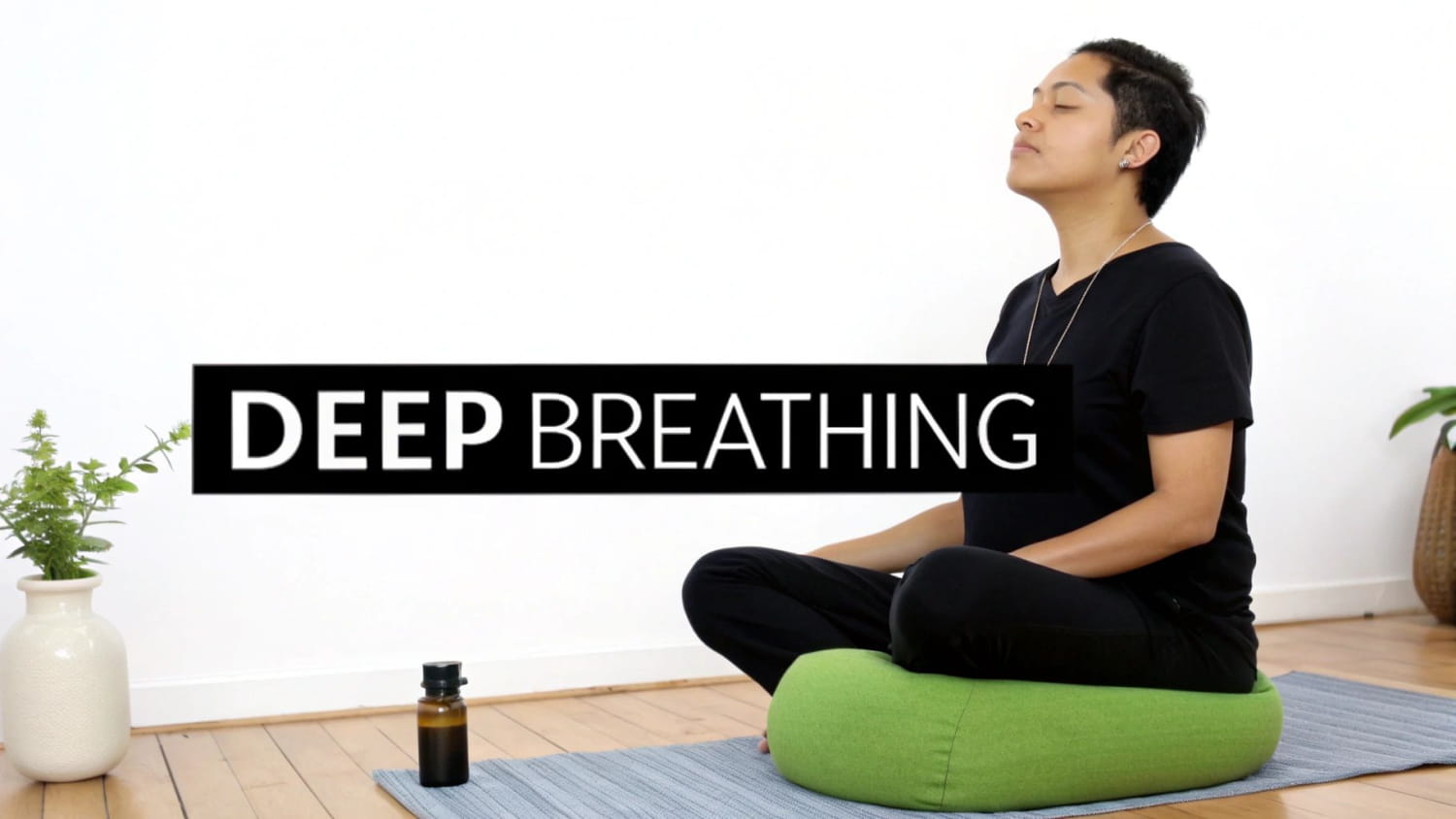
The Power of Diaphragmatic Breathing
One of the most effective techniques is what’s known as diaphragmatic breathing, or "belly breathing." Many of us, especially when stressed, fall into a pattern of shallow chest breathing. This habit only uses a small part of our lung capacity and can keep our nervous system in a constant state of high alert.
Diaphragmatic breathing, on the other hand, engages the diaphragm—that big, dome-shaped muscle at the base of your lungs. When you breathe this way, your belly expands, drawing air deep into the lower parts of your lungs where oxygen exchange is most efficient. This simple shift has a powerful calming effect on the nervous system, helping to melt away stress and improve lung function.
Creating Your Oxygen-Enhancing Ritual
To really feel the benefits, it helps to turn these practices into a daily wellness ritual. Setting aside a dedicated time and space can transform a simple breathing exercise into a deeply restorative habit. Consistency is what unlocks the long-term rewards for your body’s oxygenation process.
Here’s how you can build a simple yet powerful ritual:
-
Set Your Foundation: Find a quiet, comfortable spot where you won't be disturbed. Settling onto a supportive Zabuton meditation cushion can help align your spine and open your posture, making it far easier to take full, deep breaths without slumping over. Good posture is key to allowing your diaphragm to move freely.
-
Enhance Your Atmosphere: Create an environment that signals "it's time to relax" to your mind and body. Using an essential oil diffuser with calming scents like lavender or respiratory-supportive oils like eucalyptus can help purify your space and make each breath feel more intentional.
-
Practice Mindful Breathing: Once you're settled, place one hand on your chest and the other on your belly. Inhale slowly through your nose for a count of four, feeling your belly expand. Then, exhale slowly through your mouth for a count of six, feeling your belly fall. Keep this up for 5-10 minutes each day.
This ritual is about more than just the physical act of breathing. It’s about creating a holistic experience that nurtures your respiratory system, calms your mind, and reinforces a commitment to your own wellbeing.
This approach works beautifully alongside other healthy habits that support good oxygenation, like regular movement and proper nutrition. By focusing on your breath, you tap into your body's innate ability to regulate itself, fostering a sense of balance and vitality.
If you're looking to build a consistent practice, you might find some useful tips in our article on how to start meditating at home for beginners, as the foundational techniques pair perfectly with breathwork. Ultimately, these holistic practices empower you to take an active role in your own respiratory health, turning every single breath into an opportunity for nourishment.
Creating an Oxygen-Rich Home Environment
While clinical pure oxygen therapy is a highly specialised medical treatment, you can still take powerful steps to improve your air quality and support healthy breathing right at home.
Creating an oxygen-rich environment isn't about trying to replicate a clinic. It’s about fostering a space that allows your respiratory system to do its job beautifully. Think of it as a cornerstone of a proactive, wellness-focused lifestyle.
It's a surprising fact, but the air inside our homes often contains far more pollutants than the air outside. Dust, allergens, and tiny airborne particles can all make breathing feel a little heavier. One of the simplest and most effective ways to tackle this is with a high-quality air purifier.
Choosing the right device, like an air purifier with a HEPA filter, can make a tangible difference. It works quietly in the background, capturing those microscopic irritants before you even have a chance to inhale them.
This focus on clean air is especially crucial in many parts of Australia, where the climate can leave the air feeling particularly dry. Dry air can irritate your airways, making it harder to practise mindful, deep breathing.
Humidify and Purify Your Space
To combat that dryness, a good humidifier is an absolute must-have. It gently adds much-needed moisture back into the air, which helps keep your nasal passages and throat comfortable and hydrated. This simple change can make breathing feel smoother and more pleasant, especially overnight.
You can take this atmosphere to the next level by pairing your humidifier with an essential oil diffuser. The gentle, fragrant mist can carry scents that encourage a feeling of openness and clarity.
- Peppermint: Often used to create a sensation of clear, easy breathing.
- Eucalyptus: A classic Australian scent known for its invigorating and clarifying aroma.
- Lavender: Helps calm the nervous system, which naturally encourages slower, deeper breaths.
Creating a supportive home environment isn't a replacement for pure oxygen therapy, but it is a powerful, proactive way to nurture your respiratory wellness every single day.
Natural Enhancements for a Breathable Home
Beyond technology, nature has its own elegant solutions. Bringing indoor plants like Snake Plants or Spider Plants into your décor is a fantastic strategy. These green companions are well-known for their ability to naturally filter airborne toxins and release fresh oxygen, contributing to a cleaner, healthier space.
To round out your routine, consider how you can promote relaxation from within. Brewing a gentle cup of Blue Lotus tea can help soothe your body and mind. When you're in that relaxed state, it becomes much easier to practise the deep, restorative breathing that naturally supports your body's oxygenation.
The rising demand for clinical oxygen treatments shows just how much Australians value respiratory health. Historical data from the Medical Services Advisory Committee (MSAC) revealed that hyperbaric unit treatments jumped from 11,785 to 16,796 over consecutive periods in the early 2000s, reflecting a growing awareness. You can read more about these Australian health trends in their report.
By combining these simple, home-based practices, you're not just improving your air—you're building a solid foundation for lifelong respiratory wellbeing.
Have Questions? We Have Answers
Diving into the world of pure oxygen can feel a bit confusing, especially with so many different terms floating around. Let's clear the air and answer some of the most common questions we hear.
Is an Oxygen Bar the Same as Medical Oxygen Therapy?
Not at all—they’re worlds apart and shouldn't be mixed up.
Medical oxygen therapy, like Hyperbaric Oxygen Therapy (HBOT), is a serious clinical treatment. It involves breathing pure oxygen in a high-pressure environment to treat diagnosed medical conditions, all under a doctor's careful supervision. The goal here is healing and recovery.
An oxygen bar, on the other hand, is a recreational experience. You’re simply breathing concentrated oxygen at normal air pressure for a short time, usually for a quick feeling of alertness or rejuvenation. Think of it this way: medical oxygen is a prescription, while an oxygen bar is a fleeting wellness trend. The purpose, equipment, regulation, and science behind them are completely different.
Can I Do Pure Oxygen Therapy at Home?
When it comes to medical-grade pure oxygen therapy like HBOT, the answer is a firm no. It's simply not safe to do at home. These treatments require highly specialised facilities and trained professionals to manage the serious risks, like oxygen toxicity and barotrauma, that come with high-pressure, pure oxygen environments.
But that doesn't mean you can't support your body's oxygenation at home! In fact, building daily wellness rituals is a brilliant way to enhance your respiratory health naturally and safely. Simple practices like mindful breathwork on a comfy yoga mat, getting your body moving in supportive activewear, or keeping the air in your space clean and moist with a humidifier can make a real difference.
What Are Some Natural Alternatives to Oxygen Bars for an Energy Boost?
Absolutely. If you’re chasing that feeling of alertness but want a more natural and sustainable lift, there are some fantastic wellness practices you can turn to instead of an oxygen bar.
-
Mindful Nutrition: A high-quality matcha green tea powder is a wonderful choice. It delivers a unique blend of L-theanine and caffeine, giving you a calm, focused energy that won't leave you with the jitters or the dreaded afternoon crash.
-
Adaptogenic Support: You could also look into the power of adaptogens, like those from Teelixir. These incredible herbs and mushrooms work with your body to help you better handle stress, which in turn helps preserve your natural energy reserves.
-
Invigorating Practices: For a powerful and immediate jolt to your system, nothing beats cold exposure. A quick session in a portable ice bath can sharpen your mind and energise your body in a matter of minutes.
Here at Wellness Apothecary, we believe in empowering you with the tools to build a foundation of genuine, vibrant health. Our collection is carefully curated to support your body's natural vitality, from energising matcha to restorative meditation aids. We invite you to explore our range and find the premium wellness products that will enhance your daily rituals.


