


When it comes to the question of which magnesium is best for muscle cramps, the answer isn't always straightforward, but highly absorbable forms like magnesium glycinate and magnesium malate are usually at the top of my list. These types are known for being gentle on the stomach and getting magnesium right where it needs to go—your muscles—to help them relax and function properly.
Understanding Muscle Cramps and Magnesium's Role
We've all been there—that sudden, involuntary muscle seizure that's both shocking and painful, whether it strikes mid-workout or jolts you awake at night. But what’s really going on inside your body? Think of it as a delicate dance at the cellular level: calcium is the signal for your muscles to contract, while magnesium is the signal for them to relax.
When you're low on magnesium, calcium can start to run the show, leaving your muscles in a constant state of tension and making them much more likely to cramp up. Essentially, magnesium acts as a natural calcium blocker, ensuring your muscle fibres can release after they contract. This is crucial for smooth, pain-free movement.
What Triggers Muscle Cramps?
While a magnesium deficiency is a common culprit, it’s rarely the only factor at play. A few different things can contribute to those painful cramps, which is why a well-rounded approach to muscle health is so important.
Some common triggers I see are:
- Dehydration and Electrolyte Imbalance: Not drinking enough water or losing key minerals like potassium and sodium through sweat can easily disrupt the nerve signals sent to your muscles.
- Muscle Overuse or Fatigue: Pushing your muscles a bit too hard during intense exercise is a classic recipe for cramping.
- Prolonged Inactivity: On the flip side, sitting or standing in one position for too long can also cause your muscles to seize.
It’s a huge issue here in Australia, where it's estimated that about one in three people experience muscle cramps, often due to these sorts of mineral imbalances. Magnesium’s biochemical role is vital here; it not only helps muscles relax but also delays the buildup of lactic acid, which contributes to post-exercise soreness.
Because of this, the official Australian Dietary Guidelines recommend that adults aim for 310–420 mg of magnesium daily. It's worthwhile to explore more on the connection between magnesium and muscle health to understand how a supplement might fit into your routine.
Quick Guide to Magnesium Forms for Muscle Health
To help you figure out which magnesium is best for muscle cramps, it helps to see the most common forms side-by-side. Each one has unique properties that make it a better fit for certain situations.
| Magnesium Form | Best For | Bioavailability | Key Feature |
|---|---|---|---|
| Magnesium Glycinate | Overall muscle relaxation & sensitive stomachs | High | Calming properties, very gentle on the digestive system. |
| Magnesium Malate | Cramps associated with fatigue & soreness | High | Supports energy production in muscle cells. |
| Magnesium Citrate | General magnesium intake & occasional constipation | Good | Well-absorbed but can have a laxative effect. |
| Magnesium Oxide | Laxative purposes, not ideal for cramps | Low | Poorly absorbed, primarily used for constipation. |
This table gives a quick overview, but remember that preventing cramps is about more than just popping a supplement. Building a holistic routine is key. Regular stretching on a quality yoga mat helps keep your muscles flexible and less prone to seizing.
On top of that, supporting your body’s recovery with the right nutrition, like a high-quality vegan protein powder, gives your muscles the essential building blocks they need to repair and strengthen. When you combine these strategies, you create a powerful foundation for keeping cramps at bay for good.
Comparing Magnesium Supplements for Cramp Relief
Trying to figure out which magnesium supplement to take can feel a bit overwhelming, especially when you're just looking for something to stop those awful muscle cramps. The truth is, not all magnesium is created equal. Different forms have a huge impact on how well your body absorbs them, how they treat your gut, and what they're best at doing. Getting your head around these differences is the secret to picking the right one to calm your muscles and keep spasms at bay.
The most important thing to understand is bioavailability. It’s just a fancy word for how much of the magnesium you take actually gets absorbed and put to work by your body. Some types, like magnesium oxide, have really poor absorption, meaning most of it just passes right through you without ever getting to your muscles. Others are chelated—which means they’re bound to an amino acid—making them much easier for your body to recognise and use.
This is exactly why choosing a specific type of magnesium is so crucial when your main goal is tackling muscle cramps head-on.
Magnesium Glycinate: The Gentle Giant
If you’ve got a sensitive stomach, magnesium glycinate is almost always the best place to start. This form is attached to glycine, an amino acid known for its calming effects, which makes it incredibly gentle on the digestive system and super easy for your body to absorb.
Because it's so gentle, you can take an effective dose without worrying about the laxative side effects that plague other forms of magnesium. Glycine itself helps promote relaxation, so magnesium glycinate is a fantastic choice if your cramps love to strike at night or if you're dealing with a lot of stress and tension.
Key Insight: Go for Magnesium Glycinate if you need solid cramp relief without the digestive drama. Its calming nature also makes it a brilliant option for better sleep and kicking those nighttime leg cramps to the kerb.
It works by getting magnesium straight to your muscle cells, where it helps balance out calcium and allows the muscle fibres to finally relax. Think of it as a reliable, steady choice for long-term cramp prevention.
Magnesium Malate: The Energising Relaxer
Do your muscle cramps often show up with a side of fatigue or post-workout soreness? If so, magnesium malate is definitely one to look at. Here, magnesium is bound to malic acid, a natural compound that plays a key part in your body’s energy production cycle.
This unique combo helps with both muscle relaxation and cellular energy. By helping your body create ATP (the fuel your cells run on), it can help you feel less tired while also sorting out the mineral imbalance that's causing your cramps. It’s a top pick for athletes or anyone with an active lifestyle needing support for both recovery and performance.
Its absorption is great, much like glycinate, but what sets it apart is that connection to your energy metabolism. This makes it an ideal daytime supplement to help you stay active and cramp-free.
Magnesium Citrate: The Effective All-Rounder
Magnesium citrate is one of the most common and budget-friendly options you'll find. It’s made by binding magnesium with citric acid, which gives it good bioavailability—meaning your body can absorb and use it pretty well for muscle function.
The main catch, however, is its well-known laxative effect. Citric acid has a knack for pulling water into the intestines. While this can be handy if you're occasionally constipated, it can also lead to digestive chaos if you need higher doses to prevent cramps. It's always best to start with a low dose and see how you go.
Despite that, it’s still a popular and effective choice for boosting overall magnesium levels and reducing how often cramps pop up, as long as your system can handle it.
A Broader Look at Magnesium Forms
While glycinate, malate, and citrate are often the go-to choices for oral supplements, it helps to know what else is out there. Australian research shows that while no single type has been crowned the absolute winner, the form and dosage are what really matter. Besides the common ones, you'll see chloride, lactate, taurate, and oxide, each with different absorption rates. In Australian trials for leg cramps, typical daily doses range from 120 mg to 600 mg of elemental magnesium. You can dig deeper into these clinical findings on magnesium supplementation to see how the different forms are being studied.
Here’s a quick rundown of a few other forms worth knowing:
- Magnesium Chloride: Often found in topical oils and sprays, but you can take it orally too. It absorbs well and also comes in high-quality forms like our USP food-grade magnesium chloride flakes, which are perfect for a relaxing, muscle-soothing bath.
- Magnesium Oxide: This one has a high percentage of elemental magnesium, but its bioavailability is terrible. It's mostly used as a laxative and isn't the one you want for fixing a deficiency or dealing with muscle cramps.
- Magnesium Taurate: This combines magnesium with the amino acid taurine, known for supporting heart health and having a calming effect on the nervous system.
At the end of the day, picking the right supplement is only one piece of the puzzle. Supporting your body's overall balance is just as important. Integrating powerful adaptogens from the Teelixir range can help your system handle stress—a common trigger for muscle tension—and beautifully complement the work your magnesium supplement is doing for more lasting relief.
Topical Magnesium and Soothing Recovery Methods
While oral supplements are fantastic for boosting your magnesium levels from the inside out, they aren't the only tool in your kit for tackling tired, cramping muscles. Topical applications and other recovery methods offer a more direct, localised approach, bringing soothing relief right where you need it most.
When a sudden cramp strikes or post-workout soreness sets in, immediate comfort is what you're after. This is exactly where things like magnesium oils and Epsom salt baths come into their own. They work by delivering magnesium directly through the skin, targeting specific muscles for fast-acting relief.
This visual guide shows some of the top oral magnesium forms, which perfectly complement the topical methods we're about to dive into.
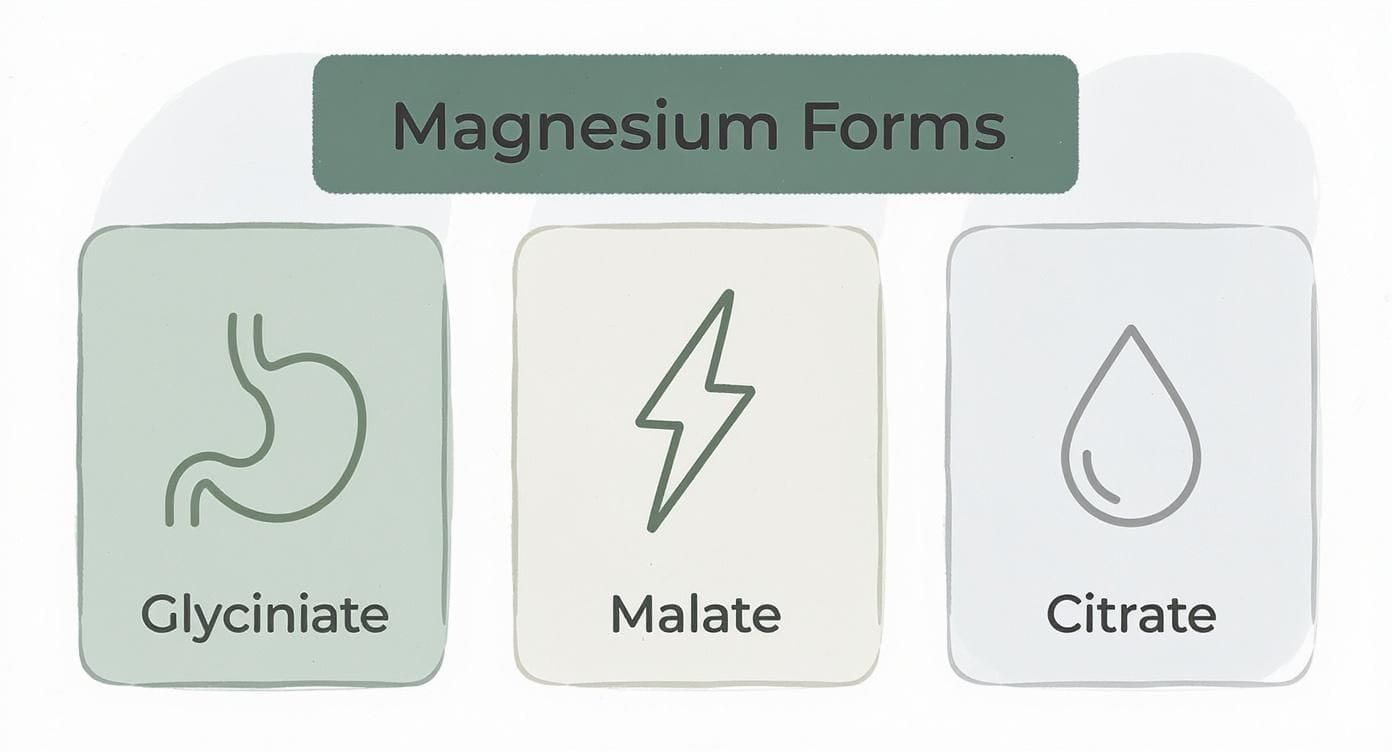
As the infographic shows, magnesium glycinate is gentle on sensitive stomachs, malate supports energy production, and citrate aids hydration. This helps you pick an oral supplement that best suits your internal needs while you use topical options for external relief.
Epsom Salt Baths: A Timeless Muscle Soother
There's a good reason an Epsom salt bath is a classic, time-tested remedy for muscle aches. Epsom salt is simply magnesium sulfate, and soaking in a warm bath allows the mineral to start soothing tired muscles and easing built-up tension almost immediately.
The combination of warm water and magnesium creates a deeply relaxing experience that helps reduce stiffness and discomfort. While the heat gets to work improving circulation, the magnesium works on a muscular level to calm the targeted area. It's a simple but incredibly effective ritual.
Magnesium Oil for Direct Application
For more targeted relief, magnesium oil is an excellent choice. Don't let the name fool you—it's not actually an oil. It’s a highly concentrated solution of magnesium chloride in water that feels slick on the skin, which is why it gets its name. You can spray it directly onto sore spots like your calves, shoulders, or lower back.
The idea is that the magnesium is absorbed through the skin, delivering its muscle-relaxing benefits straight to the source of the cramp. While there’s still scientific discussion about just how much is absorbed systemically, the immediate soothing feeling it provides is undeniable for many people.
For anyone after on-the-go relief, a magnesium roll-on is a convenient, mess-free way to apply these benefits. You can find out more about how a magnesium roll-on can provide targeted muscle comfort in our detailed guide.
Advanced Recovery with Cold Therapy
For athletes or anyone dealing with intense muscle soreness and inflammation, pairing magnesium therapies with other recovery methods creates a truly powerful strategy. Cold water immersion, for example, is a fantastic way to accelerate recovery.
Using a portable ice bath after a tough workout can dramatically reduce inflammation and that dreaded next-day soreness. The cold causes your blood vessels to constrict, which helps flush out metabolic waste products like lactic acid from your muscles. When you get out, the vessels dilate again, flooding your muscles with fresh, oxygen-rich blood to speed up the healing process.
Here’s how you could structure a complete recovery session:
- Intense Workout: Push yourself during your training.
- Cold Plunge: Follow up immediately with a 5-10 minute dip in an ice bath to get ahead of inflammation.
- Warm Soak: Later that evening, take a warm Epsom salt bath to relax the muscles and promote a deep, restful sleep.
This combination of hot-and-cold therapy, alongside direct topical magnesium, offers a complete approach to managing muscle cramps and soreness, helping you recover faster and feel your best.
Choosing the Right Magnesium for Your Lifestyle
Trying to pick the right magnesium supplement isn’t about finding one single 'best' option for everyone. It's about finding the one that actually fits your body, your daily routine, and the specific challenges you're facing. A generic recommendation often misses the mark because your needs are anything but generic. The real key is matching the right form of magnesium to your real-life situation.
So, let's move beyond just listing product features and instead look at how different types of magnesium can serve different people. Once you understand your own lifestyle profile, making an informed and effective choice becomes much clearer.
For the Endurance Athlete
If you’re a runner, cyclist, or any kind of athlete pushing your body to its limits, your muscles are under a lot of demand. You're not just dealing with the odd cramp; you're managing fatigue, soreness, and the constant need for efficient energy production.
For you, Magnesium Malate is an outstanding choice. Malate, which comes from malic acid, is a crucial component in the Krebs cycle—your body's cellular energy factory. This means it doesn't just help your muscles relax; it also supports the very energy they need to perform and recover. It tackles both cramps and fatigue in one go.
Scenario: A marathon runner is constantly dealing with post-run cramps and a lingering muscle fatigue that lasts for days. Switching to a daily magnesium malate supplement can support both energy metabolism and muscle relaxation, potentially cutting down recovery time and reducing how often cramps strike.
For the Desk Worker with Night Cramps
Spending hours sitting at a desk can lead to chronically tight hips and hamstrings, but it's often in the middle of the night that the real trouble starts. If you're someone who is regularly jolted awake by painful leg cramps, your focus should be on calming both your muscles and your nervous system.
This is where Magnesium Glycinate really shines. It's bound to the calming amino acid glycine, making this form well-known for its gentle, relaxing properties. It’s also highly bioavailable and easy on the stomach, which makes it perfect for taking before bed to encourage restful sleep and stop those disruptive nighttime spasms before they start.
For the Expecting Mother
Pregnancy places incredible demands on the body, and leg cramps are an especially common complaint. During this time, it’s vital to choose supplements that are both effective and exceptionally gentle on a sensitive digestive system.
Magnesium Glycinate is often the go-to form for expecting mothers because of its high absorption and minimal laxative effect. It's worth noting, however, that the evidence for its effectiveness on cramps is mixed. Australian-focused clinical trials and reviews have examined magnesium's role in neuromuscular transmission and muscle contraction. A systematic review involving 202 pregnant women and 322 older adults in Australia found no statistically significant reduction in cramp frequency or severity after four weeks of magnesium treatment compared with a placebo. You can review the clinical findings on magnesium for cramps to learn more.
To help you put all this information together, here’s a quick guide to matching a magnesium form with complementary wellness practices based on different lifestyle needs.
Matching Magnesium to Your Needs
| Lifestyle Profile | Recommended Magnesium | Why It Works | Complementary Practice |
|---|---|---|---|
| The Weekend Warrior | Magnesium Malate | Supports energy production for intense activity and aids muscle recovery to prevent post-exercise soreness and cramps. | Dynamic stretching before workouts and foam rolling afterwards to improve muscle flexibility and reduce tightness. |
| The Stressed Professional | Magnesium Glycinate | The calming properties of glycine help soothe the nervous system and relax tense muscles, ideal for stress-related tightness. | A 10-minute daily mindfulness or meditation session to lower cortisol levels and release mental tension. |
| The Night-Cramp Sufferer | Magnesium Glycinate or a Topical Magnesium Spray | Glycinate calms the nervous system for better sleep, while topical application can provide direct, localised relief to cramping muscles. | Gentle evening yoga or stretching before bed, focusing on the calves and hamstrings to release stored tension. |
| The Active Senior | Magnesium Citrate or Malate | Supports healthy muscle function and energy, while citrate can also help with age-related constipation. | Regular low-impact exercise like walking or swimming to maintain muscle tone and circulation, reducing cramp risk. |
This table is a starting point, designed to help you think holistically about preventing cramps. By pairing the right supplement with a supportive habit, you create a much more powerful strategy for keeping your muscles happy and healthy.
Bridging Physical and Mental Tension
It's so important to recognise the powerful link between physical tension and mental stress. When your mind is racing, your body often follows, holding tension in your muscles and making you far more susceptible to cramps. A supplement can certainly help with the physiological side, but a complete approach also has to consider your mental state.
This is where mindfulness practices can make a profound difference. Taking just ten minutes a day to sit quietly can help release the accumulated stress that directly contributes to muscle tightness.
Creating a dedicated space for this practice can be a powerful anchor. Using a comfortable meditation cushion can support your posture, allowing you to relax more deeply and focus on your breath. This simple act of stillness signals to your nervous system that it's safe to let go, which in turn helps your muscles release their grip. By combining targeted magnesium supplementation with a mindful practice, you address both the body and the mind, creating a far more resilient and balanced system. This approach transforms cramp prevention from a simple fix into a foundational aspect of your overall wellbeing.
Holistic Cramp Prevention Through Diet and Habits
While targeted supplements are a brilliant tool for managing muscle cramps, a 'food-first' philosophy is the real foundation for long-term muscle health. It all starts on your plate. Building a cramp-resistant body means focusing on whole foods that naturally deliver the minerals you need to function at your best. This way, you’re not just chasing symptoms; you’re building resilience from the inside out.
Thinking this way means seeing your daily meals as opportunities to properly fuel your muscles. Weaving magnesium-rich foods into your diet is simpler than it sounds and brings a whole host of other nutrients that supplements just can't replicate.
Building a Magnesium-Rich Diet
Your kitchen can be your greatest ally against muscle cramps. So many delicious and versatile foods are packed with magnesium, making it easy to up your intake without much effort. The key is consistency—making these items a regular feature in your meals and snacks.
Here are some of the top dietary sources of magnesium:
- Leafy Green Vegetables: Spinach and kale are nutritional powerhouses, loaded with magnesium and other essential vitamins.
- Nuts and Seeds: Almonds, cashews, and especially pumpkin seeds are fantastic. Just a small handful can make a real difference to your daily intake.
- Legumes: Think black beans, chickpeas, and lentils. They’re not only rich in magnesium but also give you a great hit of protein and fibre.
- Whole Grains: Foods like quinoa and brown rice offer a slow, steady supply of this crucial mineral.
An easy habit to start is adding a tablespoon of pumpkin seeds to your morning smoothie or sprinkling them over a salad. It's these small, consistent actions that build a strong nutritional base over time.
Embracing a holistic diet is all about finding enjoyable ways to bring in beneficial foods. You could even swap your afternoon coffee for a calming latte made with our high-quality matcha powder. It gives you a gentle energy lift while also contributing to your overall mineral intake.
Beyond the Plate: Hydration and Movement
Of course, nutrition is only one piece of the puzzle. Two other daily habits are absolutely critical for keeping cramps at bay: staying hydrated and moving your body smartly. Dehydration is one of the most common—and most avoidable—triggers for muscle spasms.
If you don't drink enough water, your muscles simply can't function properly, and the risk of cramping skyrockets. Make it a goal to sip water consistently throughout the day, and be sure to drink more during and after exercise to replace what you’ve lost through sweat.
Mindful movement is just as important. Dynamic stretching before a workout warms up your muscles, preparing them for action, while gentle static stretching afterwards helps release built-up tension. Doing these routines in comfortable, flexible women's yoga activewear allows for a full range of motion, ensuring you get the most out of every stretch.
This three-pronged approach—proper nutrition, hydration, and movement—creates a truly comprehensive strategy for muscle wellness. If you want to take your muscle recovery a step further, check out our guide on the restorative power of magnesium baths.
Common Questions About Magnesium for Cramps
When you're looking into supplements, it's natural to have a few questions. To help you feel confident about your choice for muscle health, we've pulled together answers to the most common queries about using magnesium for cramps. Getting these practical details sorted is the final step in building a wellness routine that actually works.
How Long Does It Take for Magnesium to Work for Muscle Cramps?
How quickly you feel relief from magnesium really comes down to the form you're using and what your body needs. It's a story of two different goals: immediate relief versus long-term prevention.
If you're in the middle of a cramp and need help now, topical options are your go-to. A warm Epsom salt bath or a direct spray of magnesium oil can start soothing the area within about 20 to 30 minutes. That's because they go to work directly on the muscle right through your skin.
Oral supplements are playing the long game. Think of them as a prevention strategy. It can take several weeks of consistent, daily use to build your body's magnesium stores back up. Once your levels are restored, you should start to notice a real drop in how often cramps are showing up.
Can I Take Too Much Magnesium?
Yes, you definitely can take too much magnesium from supplements, and it can lead to some unpleasant side effects. The most common complaint is digestive upset, like diarrhoea and stomach cramping. This is especially true for forms that aren't absorbed as well, like magnesium citrate and oxide.
In rare situations, extremely high doses can lead to more serious issues like low blood pressure or muscle weakness. The risk is much higher for anyone with poor kidney function, as their body can't filter out the excess minerals effectively. It’s crucial to stick to the recommended dose on the label and always have a chat with a healthcare professional before starting something new.
Is It Necessary to Get My Magnesium Levels Tested First?
It's not always a must-do, but getting your magnesium levels checked by a doctor is a very smart move, especially if you're dealing with cramps that are severe or just won't go away. A simple blood test can tell you if a clinical deficiency is actually what's causing your discomfort.
Key Takeaway: Testing gives you clarity. If your levels come back normal, it might mean your cramps are caused by something else entirely—like dehydration, an electrolyte imbalance from a tough workout, or simple muscle fatigue. A proper diagnosis makes sure you're solving the right problem.
This kind of professional advice helps you use supplements properly instead of wasting time on something that might not even be addressing the root cause.
Are There Any Medications That Interact with Magnesium Supplements?
Yes, magnesium can interact with certain medications, which might affect how well they work or how they're absorbed. It's really important to be aware of these potential clashes to stay safe.
For instance, magnesium can get in the way of the absorption of some antibiotics (like tetracyclines) and bisphosphonates, which are used for osteoporosis. To get around this, a good rule of thumb is to take your magnesium supplement at least two hours before or after these kinds of medications.
High-dose zinc supplements can also compete with magnesium for absorption. If you're on any prescription medications, especially diuretics or heart medication, it is vital that you speak with your doctor or pharmacist before adding a magnesium supplement to your routine.
At Wellness Apothecary, we believe in empowering you with both knowledge and high-quality tools to support your health journey. Whether you're enhancing your diet, deepening your recovery with a portable ice bath, or finding calm on a meditation cushion, we're here to help you find balance. Explore our full range of wellness solutions to build a routine that nurtures your body and mind.


