


Bringing your hormones back into balance naturally is all about creating a lifestyle that supports your endocrine system. It sounds complex, but it boils down to the simple, daily habits that are often the most powerful tools we have: focusing on nutrient-dense food, consistent movement, managing stress, and getting quality sleep.
Decoding the Signs of Hormonal Imbalance
Before diving into how to balance your hormones, you need to learn the language your body is speaking. A hormonal imbalance isn't just a vague feeling of being "off"—it's your body sending you very specific signals that something needs attention. Think of hormones like oestrogen, progesterone, and cortisol as the body's internal messengers, directing everything from your mood to your energy levels.
When these messengers are all working in harmony, you feel vibrant, resilient, and full of energy. But when they fall out of sync, the effects can ripple through your entire system, impacting both your physical and mental wellbeing. This is an incredibly common experience, especially for women navigating different life stages.
Here in Australia, hormonal fluctuations are a huge part of life for millions. Right now, around 1.2 million women are navigating menopause, with another 2 million in perimenopause. That's over 3.2 million Australian women dealing with the direct effects of shifting hormones, from hot flushes to mood swings.
Research even shows a strong link between lifestyle and how severe these symptoms are. For example, poor sleep can worsen the prevalence of hot flushes by a staggering 37.3% in late perimenopause. It’s a powerful reminder of how much our foundational habits really matter.
The Key Players in Your Hormonal Orchestra
To get a real grasp on what’s happening inside, it helps to know the main hormones involved and what they do.
- Oestrogen: Often called the primary female sex hormone, oestrogen is crucial for reproductive health, bone density, and even skin elasticity. When levels are too high or too low, it can lead to irregular periods, bloating, and moodiness.
- Progesterone: This hormone is oestrogen's partner, preparing the body for pregnancy and regulating the menstrual cycle. It also has a lovely calming effect, which is why it's so important for restful sleep. Low progesterone is often linked to anxiety and trouble sleeping.
- Cortisol: Known as the "stress hormone," cortisol is vital for helping your body respond to threats. The problem is, chronic stress keeps cortisol levels elevated, which can disrupt sleep, cause weight gain around the middle, and suppress other key hormones like progesterone.
- Thyroid Hormones: Produced by the thyroid gland, these hormones are like your body's accelerator, controlling your metabolism and how you produce energy. An imbalance can lead to that feeling of constant fatigue, unexplained weight changes, and even hair thinning.
This infographic paints a clear picture of how a central imbalance can create a cascade of common symptoms.
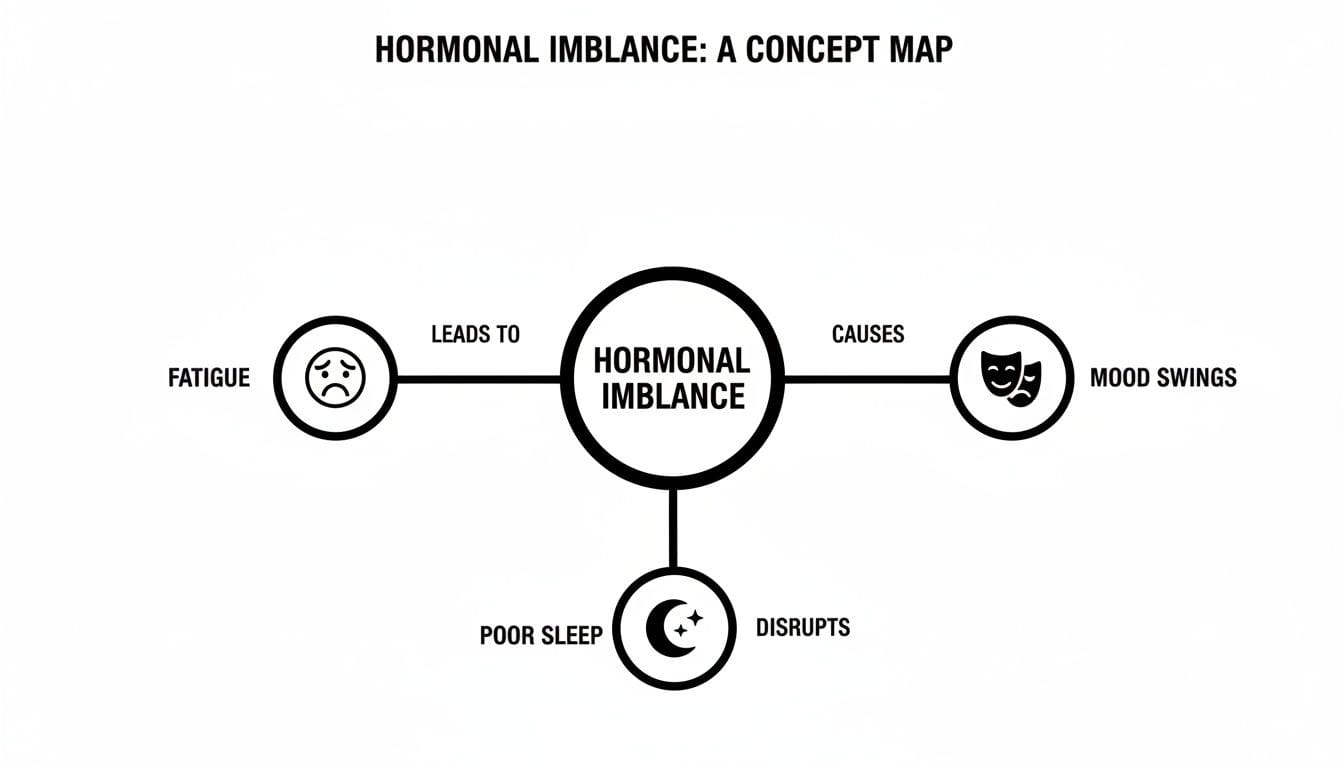
As you can see, the root cause—imbalance—can manifest as fatigue, mood swings, and poor sleep, which are all interconnected.
Connecting Symptoms to Their Roots
Recognising these signs is the first, most empowering step you can take. Getting proactive about understanding your body might even involve tools like at-home hormone level testing, which can offer valuable insights into what's really going on.
To help you start connecting the dots, here’s a quick guide to some common hormonal imbalances and the signs they produce.
Quick Guide to Common Hormonal Imbalances and Signs
This table breaks down the key hormones, their primary function, and the common signs you might notice when they are out of balance.
| Hormone | Primary Function | Signs of Imbalance |
|---|---|---|
| Oestrogen | Regulates menstrual cycle, mood, and bone health | Irregular periods, severe PMS, bloating, mood swings, hot flushes |
| Progesterone | Supports sleep, calms the nervous system, prepares for pregnancy | Anxiety, insomnia, short cycles, spotting between periods |
| Cortisol | Manages stress response, regulates blood sugar | Persistent fatigue, "wired but tired" feeling, weight gain, poor sleep |
| Thyroid | Controls metabolism, energy, and body temperature | Unexplained weight changes, fatigue, hair loss, feeling cold |
Use this as a starting point to become more aware of your body's patterns. The more you understand these connections, the better equipped you'll be to make changes that bring genuine, lasting balance.
Building Your Hormone-Balancing Plate
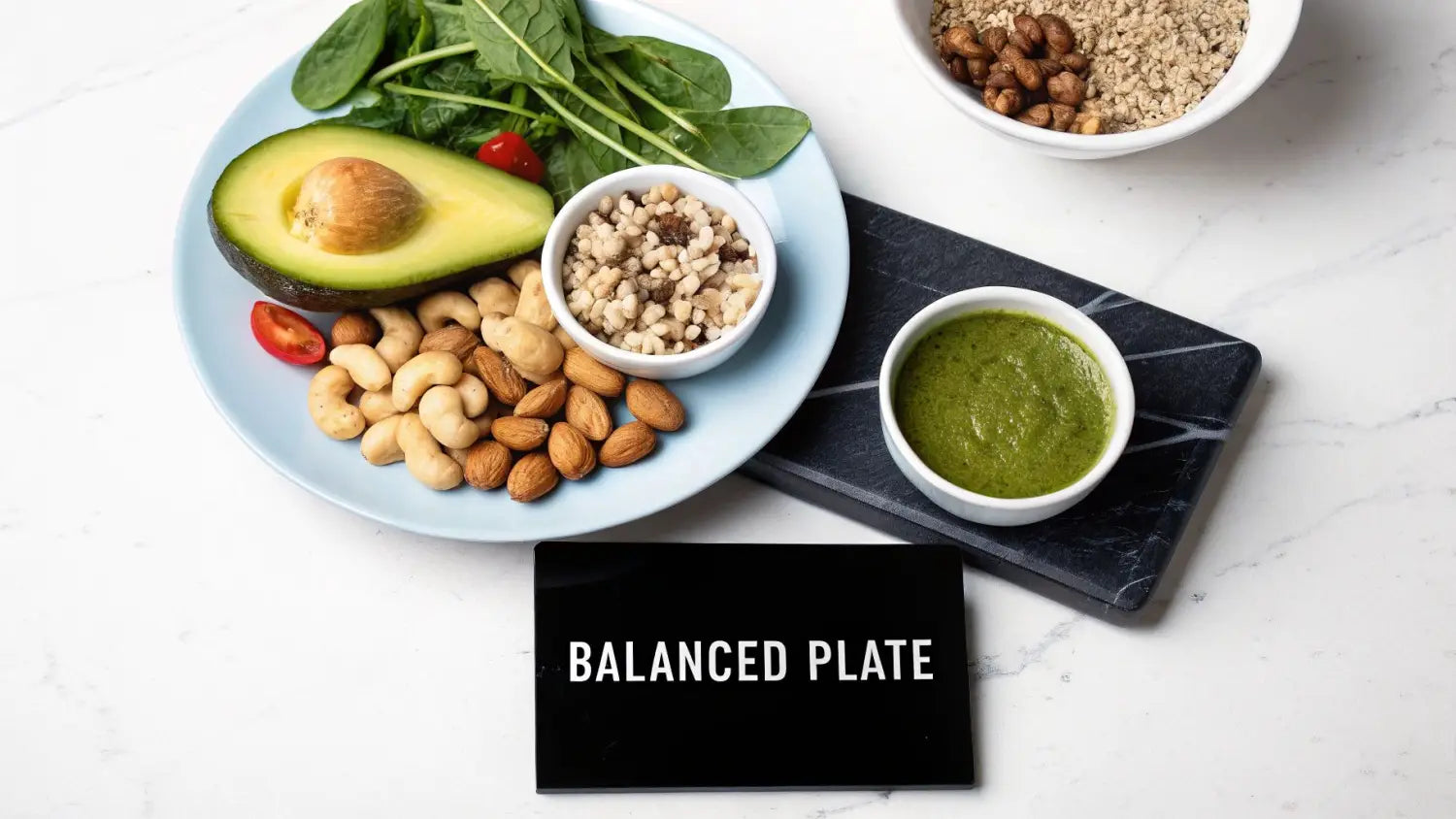
When it comes to balancing your hormones, what you put on your plate is your greatest superpower. Food provides the literal raw materials your body needs to build hormones, keep blood sugar stable, and clear out the old stuff it no longer needs. This isn't about harsh restrictions—it’s about intentionally adding delicious, nourishing foods that support you from the inside out.
Let's start with healthy fats. Think of them as the fundamental building blocks for your sex hormones. Your body simply cannot make oestrogen and progesterone without them. That’s why foods like creamy avocados, nuts, seeds, and good quality olive oil are non-negotiable for hormonal harmony. They lay the very foundation.
Protein, on the other hand, is your great stabiliser. Including a quality protein source in every meal is a game-changer because it slows down how quickly sugar enters your bloodstream. This simple act prevents those dramatic blood sugar spikes and crashes that send your insulin and cortisol on a rollercoaster, throwing your entire system out of whack. A scoop of a clean, plant-based Vegan Protein Powder in your morning smoothie is an easy win here.
The Power of Plant Nutrients and Fibre
Beyond the basics, certain plants are absolute superstars for hormone health. Cruciferous vegetables—your broccoli, cauliflower, and kale—are particularly brilliant. They contain a compound called indole-3-carbinol, which gives your liver a helping hand with one of its most critical jobs: detoxifying and clearing out excess oestrogen.
This clearance process is more important than you might think. For instance, symptoms like hot flushes can skyrocket from affecting just 8.8% of premenopausal women to a staggering 37.3% in late perimenopause, a shift often tied to fluctuating oestrogen. Likewise, poor ovulation, a common sign of imbalance, affects up to 47% of cycles. Giving your body plenty of fibre from these veggies helps its natural clearance systems run smoothly, creating a much happier internal environment. You can dig deeper into the links between diet and menopause in this detailed overview.
A great rule of thumb I always follow is to “eat the rainbow.” The different colours in your fruits and veggies represent a whole spectrum of unique antioxidants and phytonutrients that fight inflammation and support your entire endocrine system.
Smart Swaps for Stable Energy
One of the kindest things you can do for your hormones is manage your energy without relying on harsh stimulants. So many of us grab a coffee when that afternoon slump hits, but the cortisol spike it delivers can often do more harm than good, especially if you're already feeling stressed.
This is where a simple swap can make a world of difference. Try switching your morning coffee for a high-quality Matcha Green Tea Powder. Matcha offers a much smoother, gentler energy lift thanks to an amino acid called L-theanine. It fosters a feeling of calm, focused alertness—no jitters or crashes. It’s the perfect way to start your day with stable energy that supports your adrenal glands instead of stressing them out.
Foods and Drinks to Approach Mindfully
Just as some foods build you up, others can disrupt that delicate hormonal dance. Being mindful of these is just as important as adding in the good stuff.
- Refined Sugars and Processed Carbs: Think white bread, pastries, and sugary drinks. They cause a rapid blood sugar spike, making your pancreas work overtime to pump out insulin. Over time, this can lead to insulin resistance, a major driver of hormonal issues like PCOS.
- Alcohol: An occasional glass of wine is fine for most, but regular drinking puts a heavy load on your liver. Since the liver is your primary hormone metaboliser, an overworked liver can't do its job properly, leading to a build-up of excess hormones.
- Excessive Caffeine: As we touched on, too much caffeine can keep your cortisol levels chronically elevated. If you're dealing with anxiety, restless sleep, or that classic "wired but tired" feeling, it might be time to take a closer look at your caffeine habit.
At the end of the day, building a hormone-happy plate isn’t about perfection. It’s about making small, consistent choices that you genuinely enjoy and that help you feel amazing. Start by adding one or two new things this week, like a daily matcha or an extra serving of leafy greens, and just notice how your body responds.
Creating Rituals to Manage Stress and Sleep
If there are two major saboteurs of hormonal health, it’s chronic stress and poor sleep. They’re a frustrating duo. When you're constantly feeling under the pump, your body churns out cortisol, the well-known "stress hormone." While it's useful in short bursts, persistently high cortisol levels create a domino effect of problems, often by hijacking the resources your body needs to make other essential hormones like progesterone.
This whole cycle can leave you feeling wired and tired — anxious, irritable, and unable to get the deep, restorative rest you’re desperate for.
The good news? You can absolutely learn to soothe your nervous system and support your hormones by creating simple, consistent daily rituals. This isn't about piling more onto your to-do list; it’s about intentionally carving out small pockets of calm that give your body the signal that it's safe to relax.
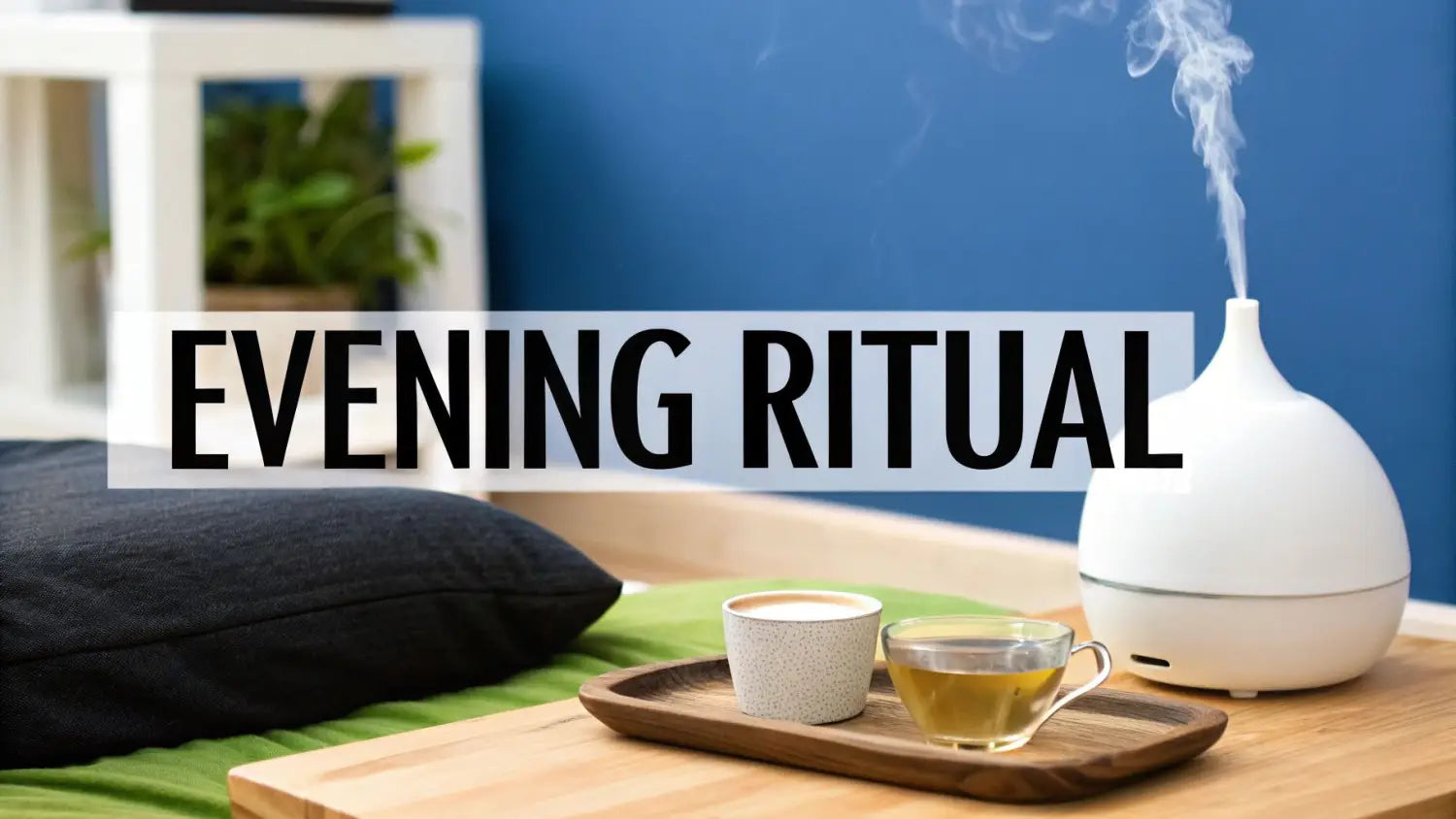
Unwind Your Evening with Aromatherapy
One of the most powerful ways to shift from a busy day to a restful night is through the power of scent. Your sense of smell has a direct line to the emotional centres of your brain, making aromatherapy an incredibly effective tool for managing stress.
Creating a simple evening ritual with an essential oil diffuser can completely transform your space into a sanctuary. As the sun starts to set, try adding a few drops of a calming oil like lavender or chamomile to your diffuser. This small act becomes a powerful cue for your brain, signalling that it's time to let go of the day's worries and prepare for sleep. Research has even shown that lavender can lower cortisol levels and promote a genuine sense of calm.
You can find more ideas in our detailed guide on using essential oils for sleep.
Cultivating Calm Through Meditation
Meditation is a proven practice for lowering cortisol and building resilience to stress over time. It teaches you to observe your thoughts without getting tangled up in them—a game-changer when your mind feels like it's racing at a million miles an hour.
Even just five to ten minutes a day can make a real, tangible difference. The key is consistency and comfort. Finding a dedicated space and making it cosy will encourage you to return to the practice daily. Using a supportive cushion, like a traditional zabuton meditation cushion, can help you maintain good posture and take the strain off your hips and knees. That way, you can focus on your breath instead of fidgeting with discomfort.
Meditation isn't about emptying your mind; it's about becoming a gentle observer of it. This practice directly trains your nervous system to shift from a "fight-or-flight" state to a "rest-and-digest" state, which is essential for hormonal balance.
Master Your Sleep Hygiene for Deeper Rest
Quality sleep is prime time for your body's hormonal repair work. When your sleep-wake cycle is disrupted, it throws everything out of whack, from your hunger hormones to your stress response. Improving your sleep hygiene simply means creating an environment and routine that encourages uninterrupted, quality rest.
- Create the Right Atmosphere: Your bedroom should be a haven for sleep—nothing else. This means keeping it cool, dark, and quiet. If the air in your home is dry, especially during winter, a humidifier can also make a huge difference by preventing a dry throat or nasal passages from waking you up.
- Power Down Screens: The blue light from phones, tablets, and computers actively suppresses melatonin, the hormone that signals to your body that it's time to sleep. Make a habit of putting all screens away at least an hour before you plan to go to bed.
- Introduce a Calming Beverage: Instead of a late-night snack that might spike your blood sugar and disrupt sleep, consider a warm, calming herbal tea. Blue Lotus has been used for centuries as a natural relaxant, known for its ability to ease anxiety and promote a sense of tranquil wellbeing. It’s a perfect addition to your wind-down routine.
By thoughtfully weaving these small rituals into your daily life, you provide your body with the consistency and calm it needs to regulate cortisol, support progesterone, and ultimately find its way back to a state of natural hormonal balance.
Finding Your Balance with Smart Movement and Recovery
How you move your body can be a powerful ally for your hormones, but it can also be a significant stressor. The secret is to exercise intelligently. It's about finding that sweet spot where you're building resilience without tipping your body into a state of chronic stress.
For many women wrestling with hormonal imbalances, gentle and consistent movement is far more effective than gruelling, high-intensity workouts. Things like yoga, for example, are brilliant for improving insulin sensitivity and bringing down those sky-high cortisol levels. When your body feels supported and safe during movement, your hormones can follow suit.
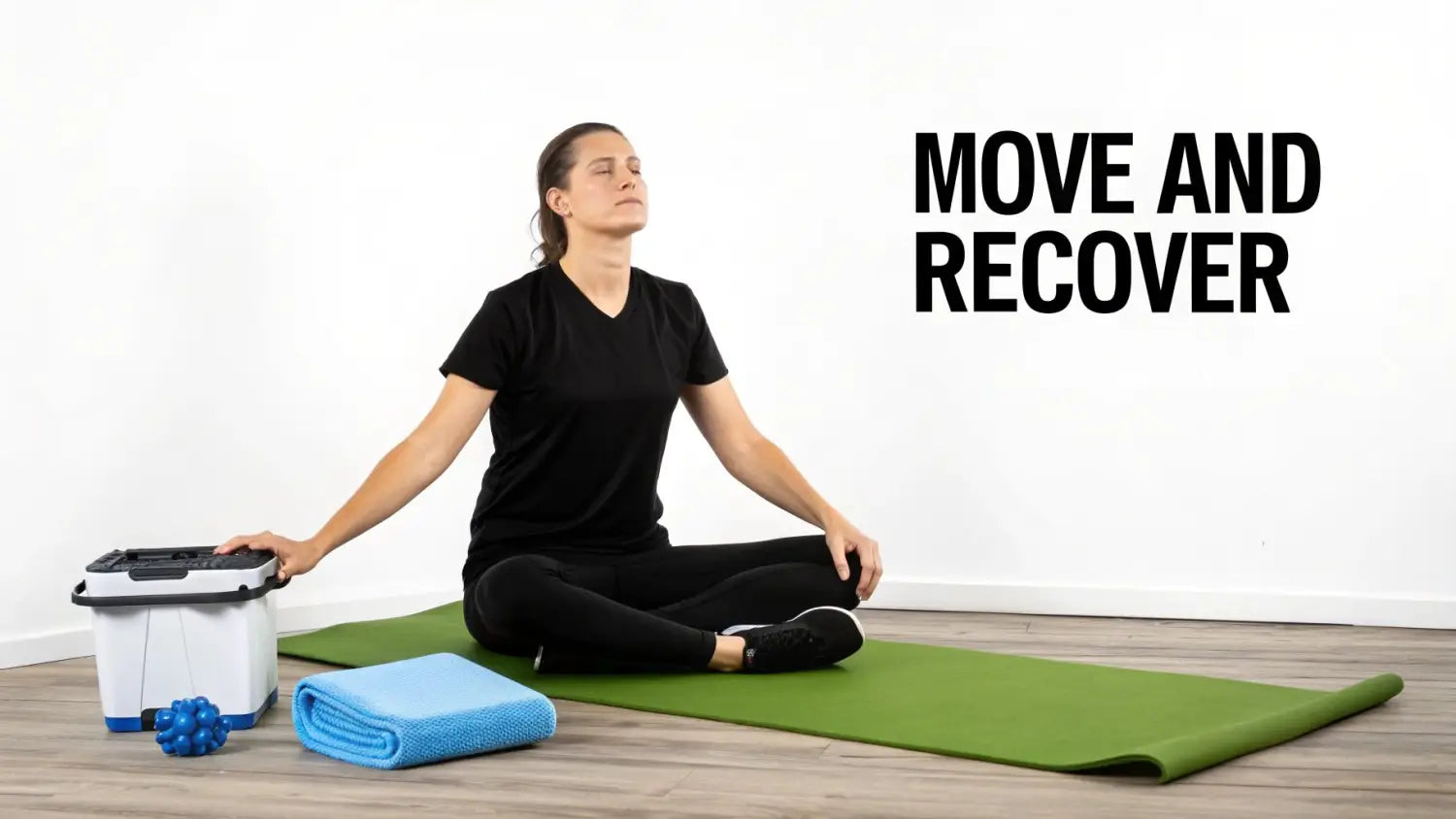
Gentle Movement for Hormonal Harmony
Committing to a gentle movement practice is all about consistency, not intensity. Think of it as a daily conversation with your body.
A simple morning yoga flow on a comfortable yoga mat can set a beautifully calm tone for the day. Slipping into some supportive activewear that lets you move freely means you can really focus on your breath and postures, helping to regulate your nervous system and manage stress hormone output.
Strength training is also incredibly important, but that doesn't have to mean lifting heavy at the gym. Using resistance bands is a fantastic, low-impact way to build muscle, which in turn helps regulate blood sugar and improve insulin sensitivity. If you need some ideas, check out our guide on how to use resistance bands for an effective workout.
Rethinking High-Intensity Training
High-intensity interval training (HIIT) definitely has its place, but it can be far too taxing on an already stressed-out system. If you're dealing with serious fatigue, poor sleep, or irregular cycles, pushing through intense workouts can actually send your cortisol even higher, doing more harm than good.
Pay close attention to how you feel after your workouts. If you're consistently feeling wiped out, irritable, or have trouble sleeping, it might be a sign that your exercise routine is adding stress rather than relieving it. True balance comes from listening to your body's signals.
Instead of going all-out with HIIT, you might want to try a more balanced approach.
- Brisk Walking: A simple 30-minute walk in nature is one of the best ways to lower cortisol and give your mood a lift.
- Pilates: This practice zones in on core strength and stability, building tone without over-stressing the adrenal glands.
- Cycling or Swimming: These low-impact cardio activities are excellent for heart health and can be easily adjusted to match your energy levels on any given day.
The goal is to finish your session feeling energised and refreshed, not completely drained.
The Crucial Role of Recovery
Movement is only one half of the equation; recovery is where the real magic happens for hormonal balance. It’s during rest that your body repairs tissues, clears out stress hormones, and recharges your nervous system. Skipping recovery is like constantly revving an engine without ever stopping for an oil change.
One of the most powerful recovery tools gaining traction is cold therapy. Exposing your body to cold water helps dial down inflammation, a common driver of hormonal chaos. It also tones your vagus nerve, which is a key player in shifting your body from its "fight-or-flight" stress mode into its calming "rest-and-digest" state.
This doesn't mean you need to take a leap into an icy lake. With tools like a portable ice bath, you can easily bring this practice into your routine at home. Starting with just a minute or two can have a profound impact on your resilience to stress and your overall hormonal wellbeing.
By thoughtfully pairing smart movement with intentional recovery, you create a powerful synergy. This balanced approach helps regulate insulin, manage cortisol, and build a body that is not just fit, but hormonally resilient and full of vitality.
Using Adaptogens for Targeted Support
Sometimes, even when you're doing everything right—eating well, moving your body, and managing stress—your system might need a little extra help to find its balance. This is where adaptogens can be incredibly useful.
Adaptogens are a brilliant class of herbs and mushrooms that help your body adapt to and manage stress, whether it's physical, chemical, or biological. They work intelligently, supporting your adrenal and nervous systems to build resilience from the inside out.
Think of them less like a quick fix and more like your body's personal trainers. They don’t just put a band-aid on symptoms; they actually help strengthen your body's own stress-response systems, making you better equipped to handle the ups and downs of daily life. This targeted support is a key piece of the puzzle when learning how to balance hormones naturally.
Our Teelixir supplements collection has been carefully curated to include some of the most effective and well-researched adaptogens out there. These potent powders are so easy to add to your morning smoothie, matcha, or even just a simple cup of warm water, making them an effortless addition to your daily routine.
Key Adaptogens for Hormonal Harmony
Getting started with adaptogens is all about choosing the right ally for your specific needs. It’s always best to introduce one at a time, so you can really see how your body responds before adding another.
Here are a few standouts I often recommend for hormonal support:
- Ashwagandha: This ancient Ayurvedic herb is a powerhouse for managing cortisol. If you constantly feel "wired but tired" or struggle with stress-related sleep issues, Ashwagandha can be a game-changer for calming your nervous system and supporting adrenal health.
- Reishi Mushroom: Often called the "mushroom of immortality," Reishi is prized for its profoundly calming properties. It's a fantastic choice for promoting deeper, more restorative sleep and easing feelings of anxiety—both of which are absolutely crucial for hormonal regulation.
- Lion's Mane Mushroom: Hormonal shifts, particularly during perimenopause, can bring on that frustrating brain fog and difficulty concentrating. Lion's Mane is a powerful nootropic that supports cognitive function, memory, and focus, helping you stay sharp and clear-headed. You can learn more about the benefits of medicinal mushrooms in our detailed guide.
Integrating Adaptogens Safely
The journey back to hormonal balance is unique for everyone, and it's wonderful to see natural approaches gaining so much traction. Recent data from over 211,000 tracked cycles showed that a staggering 47% lacked clear signs of ovulation and 22% had low progesterone.
It's clear that our bodies are asking for support. The good news is that simple lifestyle changes, like a brisk 30-minute walk, can lower cortisol by 20-30%, while certain herbal teas can help balance androgens. As Australia invests more in non-medical wellness strategies, understanding these natural tools becomes even more valuable.
When you start with any new supplement, the golden rule is to start with a low dose and listen carefully to your body. Consistency is far more important than quantity. A small, daily amount over several weeks will always give you better results than taking large doses sporadically.
For those wanting to explore a little further, you might find it helpful to learn how to unlock the power of Mucuna Pruriens, another potent adaptogen known for its benefits in reproductive health. Using these natural allies intelligently is a targeted, effective way to support your body on its journey back to balance.
Your Questions on Natural Hormone Balance Answered
Taking the first steps toward balancing your hormones naturally can bring up a lot of questions. It’s completely normal to wonder about timelines, what methods to try first, and what to expect along the way. I get asked these things all the time, so I’ve put together some clear answers to help you move forward with confidence.
How Long Does It Take to Balance Hormones Naturally?
This is the big one, and the honest answer is: it’s different for everyone. Your body is unique and will respond at its own pace.
That said, most people start to feel positive shifts—better mood, more stable energy, deeper sleep—within about four to six weeks of making consistent lifestyle changes. Think of this as the initial phase where your body starts to respond to the new, positive signals you're sending it.
For more significant, lasting balance, you’re likely looking at a timeframe of three to six months. This is when your endocrine system really starts to find its new, healthier rhythm. The most important thing I tell my clients is that consistency beats perfection every single time. Don't worry about getting it right 100% of the time; just focus on sticking with it.
Can I Combine Natural Methods with Conventional Treatments?
Absolutely. In fact, many people find that an integrated approach works best for them. But—and this is a big but—it’s crucial to have a conversation with your healthcare provider first to make sure your plan is safe and coordinated.
Things like improving your diet or managing stress with a bit of daily meditation are almost always beneficial and will complement any treatment. Where you need to be careful is with powerful herbal supplements. Some of our Teelixir adaptogens, for instance, can interact with certain medications. Always keep your doctor in the loop about any supplements you’re taking.
Think of your healthcare team as partners on your journey. Open communication ensures that your natural efforts and any conventional treatments work together harmoniously, not against each other.
What Are the First Steps I Should Take?
It’s so easy to feel overwhelmed by all the information out there. My advice is to start with the foundations that make the biggest impact.
First, prioritise getting 7-9 hours of quality sleep every night. It's non-negotiable for hormone health. Next, bring in a daily stress-management practice. This doesn’t have to be a huge commitment—even just five minutes of deep breathing on a meditation cushion can work wonders.
When it comes to your diet, focus on adding good things in before you worry about taking things out. Concentrate on getting more whole foods, healthy fats, and quality protein into every meal. A scoop of a good vegan protein powder in your morning smoothie is a simple start. As you do this, you'll naturally start to reduce your intake of processed sugar and alcohol. These simple changes create a powerful ripple effect.
Are Products Like Matcha and Essential Oil Diffusers Really Effective?
Yes, they can be incredibly effective, but not because they're magic pills. They work because they support the very systems that regulate your hormones, making it easier for you to build a lifestyle that fosters balance.
Think of them as powerful tools in your wellness toolkit. Here’s a practical look at how they fit in:
- An essential oil diffuser with a calming scent like lavender helps soothe your nervous system. This directly lowers cortisol, your primary stress hormone.
- Our matcha offers a clean, sustained energy boost without the sharp cortisol spike that coffee can trigger. This is thanks to L-theanine, an amino acid that promotes calm focus.
These products are allies. They make it easier and, frankly, more enjoyable to build the daily habits that lead to real, lasting hormonal harmony.
Ready to build your personal toolkit for hormonal harmony? Explore our curated collections at Wellness Apothecary and discover natural, effective solutions to support your journey. Find everything from calming essential oils to nourishing supplements to help you feel your best. Start exploring now.


