


Let's get one thing straight: matcha isn't just a fancy green tea.
While your typical green tea involves steeping leaves in hot water and then tossing them, matcha is the whole tea leaf, stone-ground into a gorgeous, ultra-fine powder. This is the key difference, and it means you’re consuming 100% of the leaf's concentrated nutrients with every single sip.
What Is Matcha Green Tea
Think of it this way. Making a cup of regular green tea is like boiling spinach, drinking the water, and then throwing the actual nutrient-rich leaves in the bin. Drinking matcha, on the other hand, is like eating the entire spinach leaf. This simple analogy really captures why matcha has become such a cornerstone of modern wellness rituals across Australia.
By consuming the whole leaf, you’re getting a much more potent dose of vitamins, minerals, and antioxidants compared to its steeped cousin. It's a full sensory experience, from its brilliant green colour to its completely unique flavour.
A Distinct Flavour and Colour
Matcha is famous for its complex flavour, often described as umami—that satisfyingly rich, savoury, and slightly sweet taste that lingers on the palate. This distinctive profile comes directly from how it's grown. A few weeks before harvest, the tea plants (Camellia sinensis) are carefully shaded from the sun.
This shading process tricks the leaves into overproducing two crucial compounds:
- Chlorophyll: The boost in chlorophyll is what gives matcha its signature vibrant, electric green hue. Generally, the brighter the green, the higher the quality and freshness of the powder.
- L-theanine: This incredible amino acid is responsible for the calm, focused feeling matcha provides. It also contributes to its smooth, non-bitter taste.
From Farm to Whisk
The journey from a fresh leaf to the fine powder in your cup is meticulous. After being hand-picked, the leaves are quickly steamed to stop any oxidation, which locks in their colour and nutritional goodness. Next, they are de-stemmed and de-veined, leaving only the most tender parts of the leaf, known as 'tencha'.
Finally, this tencha is slowly stone-ground into the silky powder we all recognise. Want to dive deeper into its composition? You can explore our detailed guide on what matcha is made of.
The slow grinding is absolutely vital. It can take up to an hour just to produce 30 grams of matcha. This prevents the delicate leaves from overheating, which would completely ruin their flavour and aroma.
This careful, time-honoured method is what truly separates authentic matcha from plain old powdered green tea. The difference isn't just in how it's made, but in the entire philosophy behind it—one of mindfulness, quality, and nourishing your body with the whole plant.
The Ancient Journey Of Matcha From Leaf To Powder
The story behind every scoop of matcha is one of patience and artistry, a practice refined over centuries. While its roots trace back to Tang Dynasty China, it was in Japan that matcha was truly perfected, becoming the soulful centre of the traditional Japanese tea ceremony.
Its journey from a simple tea leaf to the vibrant green powder you enjoy is a testament to meticulous care and ancient wisdom.
Unlike any other tea, the process of creating genuine matcha is defined by one critical step: shade-growing. For about 20-30 days before harvest, the Camellia sinensis tea bushes are carefully covered with bamboo mats or tarps. This deliberate act of starving the leaves of direct sunlight kicks off a remarkable biological chain reaction.
Deprived of sunlight, the plants go into overdrive producing immense amounts of chlorophyll. This is exactly what gives high-quality matcha its signature, almost electric, green colour. At the same time, the leaves ramp up their production of the amino acid L-theanine, the secret behind matcha's unique umami flavour and its famous ability to promote a state of calm alertness.
From Tencha To Powder
Once the shaded leaves reach their peak, only the youngest, most tender leaves are hand-picked. This selective harvesting is key to ensuring the final product has a smooth, delicate flavour, free from any bitterness. The freshly picked leaves are then quickly steamed.
This steaming process is crucial. It halts the oxidation that would otherwise turn the leaves into black tea, effectively locking in their nutrients and brilliant green hue. After steaming, the leaves are carefully dried. The next step is painstaking: the stems and veins are removed, leaving only the pure, nutrient-dense flesh of the leaf. This precious material is known as tencha.
This is the fundamental difference in how we consume regular tea versus matcha.
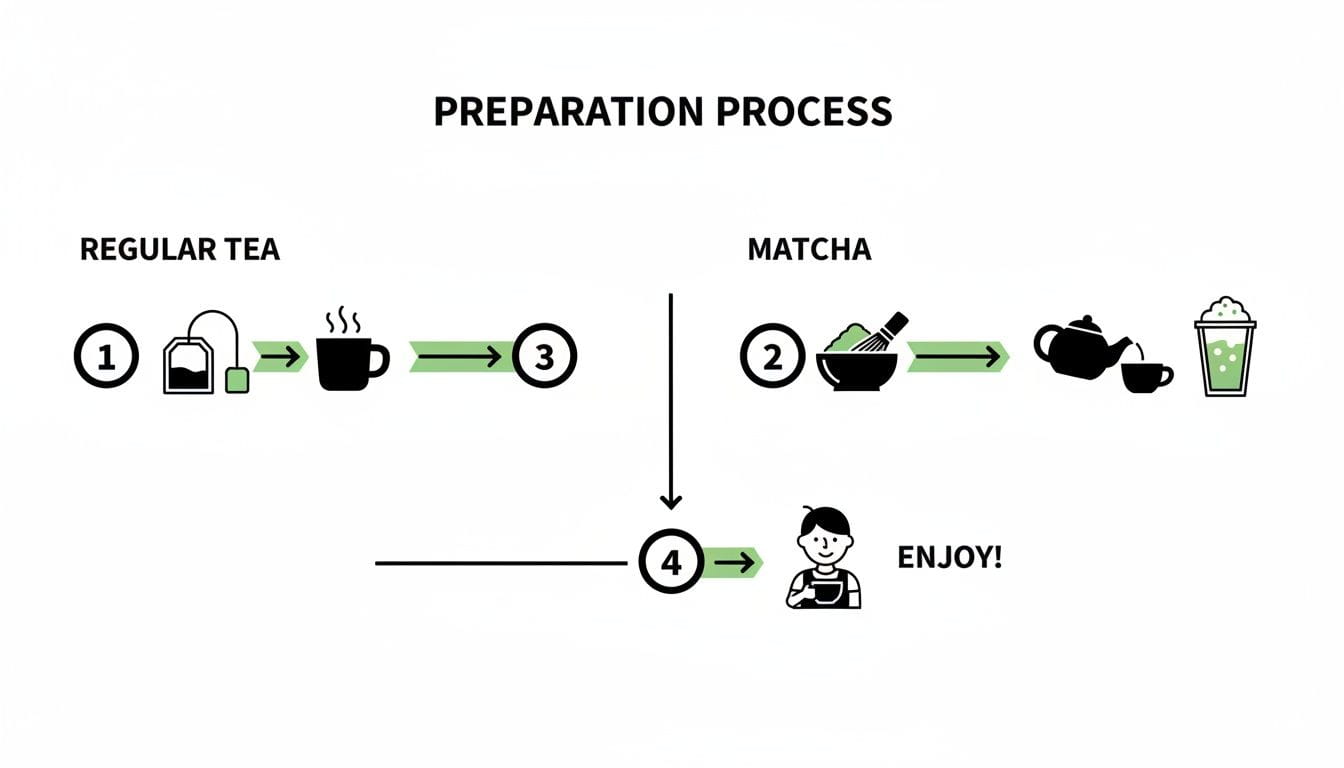
With matcha, you're consuming the entire leaf, which is why you receive all of its powerful benefits.
The Art Of Stone-Grinding
The final transformation from tencha to matcha is perhaps the most meditative part of the entire journey. The dried tencha is slowly and deliberately ground between two large granite stones. This traditional method is incredibly slow—it can take a full hour just to produce around 30 grams of matcha powder.
This slow grinding is essential. Grinding too quickly generates heat, which would scorch the delicate leaves and destroy their complex flavour, aroma, and nutritional profile. The result of this patience is a powder so fine it feels like silk.
Every single step, from shading the leaves in the field to the final slow grind, is designed to maximise the flavour, colour, and health benefits of the tea. This ancient journey is what makes our premium matcha green tea powder a truly special addition to any wellness routine, offering a direct connection to a centuries-old tradition of mindful cultivation. It's a world away from simply dunking a tea bag.
Choosing Your Perfect Matcha: Ceremonial vs. Culinary Grade
Stepping into the world of matcha can feel a bit overwhelming at first, but it really just boils down to two main types: Ceremonial and Culinary. Getting the difference is the key to a great experience, whether you're whisking up a traditional tea or blending a vibrant green smoothie.
Each grade has its own purpose, and that purpose is reflected in its harvest time, flavour, and even how it feels to the touch. It's a lot like choosing olive oil—you'd reach for a delicate, premium extra-virgin oil for a salad dressing, but a more robust, everyday one for cooking. Same idea here.
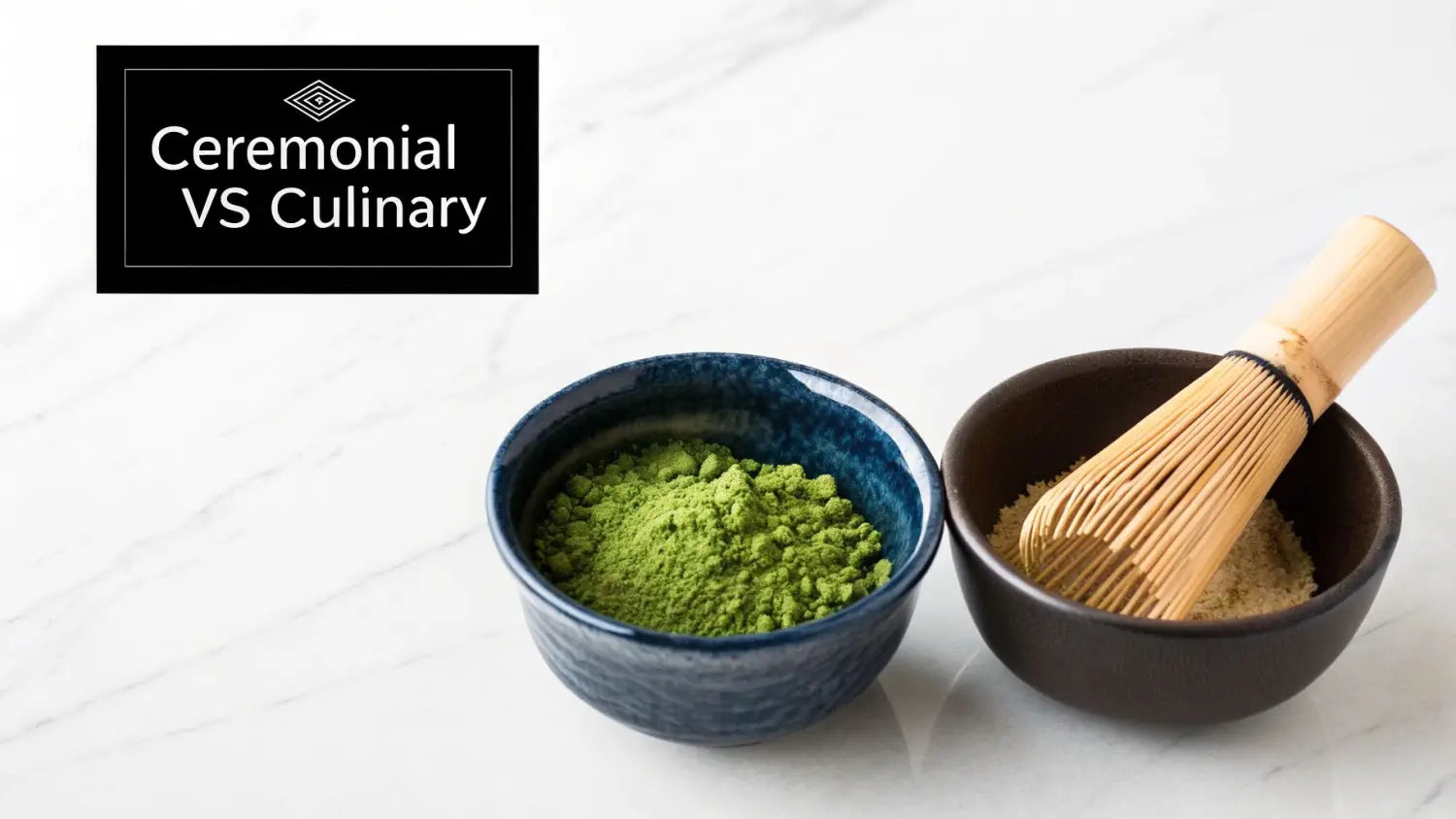
The Purity Of Ceremonial Grade Matcha
Ceremonial grade is the absolute best quality you can get. It’s the type reserved for traditional Japanese tea ceremonies, where it’s simply prepared with hot water—nothing else. This premium grade comes from the youngest, most tender tea leaves, picked during the very first harvest of the year, known as ichibancha.
These delicate first-flush leaves are bursting with chlorophyll and L-theanine, giving the powder its signature qualities:
- Vibrant Colour: A brilliant, almost electric jade green is the first sign you're looking at top-tier ceremonial matcha.
- Silky Texture: The powder is stone-ground so finely that it feels like talcum powder or cornstarch.
- Delicate Flavour: It has a naturally sweet, smooth, and deeply savoury umami taste with zero bitterness.
Because its flavour is so subtle and complex, ceremonial matcha is best enjoyed on its own. Whisking it with hot water creates a smooth, frothy drink that’s perfect for a mindful moment, letting you appreciate the pure, unadulterated taste of the tea.
The Versatility Of Culinary Grade Matcha
Culinary grade matcha, as the name suggests, is made for mixing and cooking. It’s typically produced from leaves harvested later in the season, which gives it a much stronger, slightly more bitter flavour. This isn't a flaw; it's a feature.
Its bolder character is specifically designed to stand up to other ingredients. If you tried to bake a cake with delicate ceremonial matcha, its lovely, subtle notes would be completely lost amongst the sugar and flour.
Culinary grade has a robust personality that shines through in lattes, smoothies, baked goods, and even savoury dishes. It delivers that signature green tea flavour and colour we all love in a matcha-infused treat.
Within the culinary category, you’ll sometimes see sub-grades like "latte grade" or "baking grade," which just means they're tailored for specific uses. If you're keen to explore these nuances further, our guide on understanding the different grades of matcha and their uses is a great next step.
Ultimately, the right matcha for you comes down to what you want to do with it. For a pure, meditative tea experience, our ceremonial grade matcha is the one. For adding a healthy, flavourful kick to your favourite recipes, culinary grade will be your best friend in the kitchen.
Unlock The Unique Health Benefits Of Matcha
Matcha often gets called a superfood, and for very good reason. While its vibrant green colour and unique umami flavour are what draw many people in, its real magic lies in a concentrated profile of health-boosting compounds. This isn't just another wellness trend; it's a powerhouse backed by science, supporting both body and mind.
When you drink matcha, you’re consuming the entire tea leaf, finely ground into a powder. This means you get a much more potent dose of nutrients compared to just steeping green tea leaves in water. It’s this key difference that elevates matcha from a simple beverage to a cornerstone of a healthy lifestyle, offering benefits that resonate with anyone seeking balance and vitality.
A Rich Source Of Antioxidants
One of matcha's most celebrated qualities is its incredibly high concentration of antioxidants. It’s absolutely packed with a special class of them known as catechins.
The most powerful of these is epigallocatechin gallate (EGCG), which makes up a huge portion of the catechins found in in matcha. Think of antioxidants like EGCG as your body's personal defence force against oxidative stress. They help neutralise harmful free radicals that cause cellular damage, which can lead to chronic inflammation and ageing.
Studies have found that the concentration of EGCG you get from drinking matcha is up to 137 times greater than the amount available from other types of green tea. This immense antioxidant power is a key reason why matcha is so beneficial for overall health.
This makes every sip a proactive step towards protecting your body's cells and supporting long-term wellness.
The Magic Of Calm Alertness
Perhaps the most unique and sought-after benefit of matcha is the state of calm alertness it provides. This special feeling is created by the synergy between its two main active compounds: natural caffeine and the amino acid L-theanine.
While a cup of coffee can deliver a sharp jolt of energy that often leads to jitters and an afternoon crash, matcha offers a much smoother ride. L-theanine promotes the production of alpha waves in the brain, which are associated with a state of relaxed yet focused awareness.
This amazing amino acid works in harmony with the caffeine to deliver sustained energy while simultaneously calming the mind. The result is a clear-headed focus that can last for hours, making it the perfect companion for work, study, or meditation. Imagine starting your day with a matcha ritual, seated comfortably on a meditation cushion, setting a tone of mindful, steady energy for the hours ahead.
It’s this balanced effect that truly sets matcha apart from other caffeinated drinks. It sharpens your mind without overstimulating your nervous system.
Boosting Metabolism And Cognitive Function
Beyond its calming and focusing effects, matcha also supports physical energy and mental clarity in other ways. The EGCG catechins have been shown to help boost metabolism and increase the body's rate of fat burning, which makes it a great addition to a healthy diet and fitness routine.
On top of that, the combination of L-theanine and caffeine has a positive impact on cognitive function. It can improve memory, enhance concentration, and support overall brain health, helping you stay sharp and productive all day. The high chlorophyll content—a result of the shade-growing process—also aids in natural detoxification, helping to gently cleanse the body.
This powerful combination of benefits makes adding a high-quality matcha powder to your daily routine a simple yet effective way to nourish your entire system, from cellular health to mental focus.
Nutrient Showdown Matcha vs Coffee
To really understand what makes matcha's energy boost so unique, it helps to see how its key compounds stack up against coffee. This side-by-side comparison shows why matcha delivers a smoother, more focused experience.
| Component | Matcha (per 2g serving) | Coffee (per 8oz cup) |
|---|---|---|
| Caffeine | 30-70 mg | 95-165 mg |
| L-Theanine | ~20-40 mg | 0 mg |
| Antioxidants (EGCG) | High (up to 137x green tea) | Moderate (Chlorogenic Acid) |
| pH Level | Alkaline | Acidic |
As you can see, while coffee provides a bigger caffeine hit, matcha's secret weapon is L-theanine. This amino acid balances the caffeine, preventing the jitters and crash, while its higher antioxidant content and alkaline nature offer broader health benefits.
Why Matcha Is Taking Over Australian Cafes And Kitchens
Walk into almost any cafe in Australia these days, from a bustling Melbourne laneway to a sunny spot in Sydney, and you’re pretty much guaranteed to see matcha on the menu. This vibrant green powder has well and truly found its place in the Aussie wellness scene, shifting from a niche health food to a daily staple.
This isn’t just another fleeting trend. It speaks to a bigger cultural shift towards more mindful, intentional living. More and more, Australians are looking for products that do more than just give them a quick buzz; they want rituals that nourish the body and calm the mind. Matcha, with its gentle, sustained energy and ceremonial roots, fits that brief perfectly.
It’s quickly become the go-to for anyone trying to cut back on coffee without giving up their morning ritual. The magic is in its unique mix of caffeine and L-theanine, which work together to create a feeling of calm alertness—a smooth, focused energy that just feels right for a balanced lifestyle.
A Mainstream Movement With Momentum
The proof of matcha’s popularity is in the numbers. Australia's matcha market has seen some incredible growth, pulling in over $54 million in revenue with forecasts to top $81 million by 2030. In a telling sign of its boom, Japan's green tea exports to Australia recently jumped by a massive 131 percent year-on-year, cementing our spot as a key market. If you're curious about this green wave, you can learn about Australia’s growing appetite for matcha and see how it became a cafe essential.
This explosive growth is also thanks to its amazing versatility. We’ve moved way beyond just the traditional tea. Cafes have run with its unique flavour and colour, creating a whole menu of creative new ways to enjoy it:
- Creamy Matcha Lattes: Easily the most popular introduction, offering a smooth, comforting alternative to a flat white.
- Matcha-Infused Desserts: From croissants and cakes to ice cream, its earthy flavour is a beautiful match for sweet treats.
- Healthy Smoothies: Blended with fruits and a scoop of vegan protein powder, it makes for the perfect post-workout refuel or breakfast on the go.
The rise of matcha in Australia is more than just a commercial success; it’s about a collective embrace of slower, more intentional living. It’s a small daily act that connects us to an ancient tradition while supporting our modern wellness goals.
Bringing this experience into your own home is a simple yet powerful way to invest in your daily wellbeing. Creating a morning ritual around our premium matcha green tea powder lets you tap into these benefits firsthand. Whether you whisk it traditionally or blend it into a latte, you're not just making a drink—you're crafting a moment of calm, focused energy to carry you through your day.
How To Brew The Perfect Cup Of Matcha At Home
Making a vibrant, delicious cup of matcha at home is far easier than you might think. Embracing this simple ritual can be a beautifully calming start to your day or a mindful afternoon pick-me-up. Whether you prefer the time-honoured traditional method or a quick modern twist, we'll walk you through it.
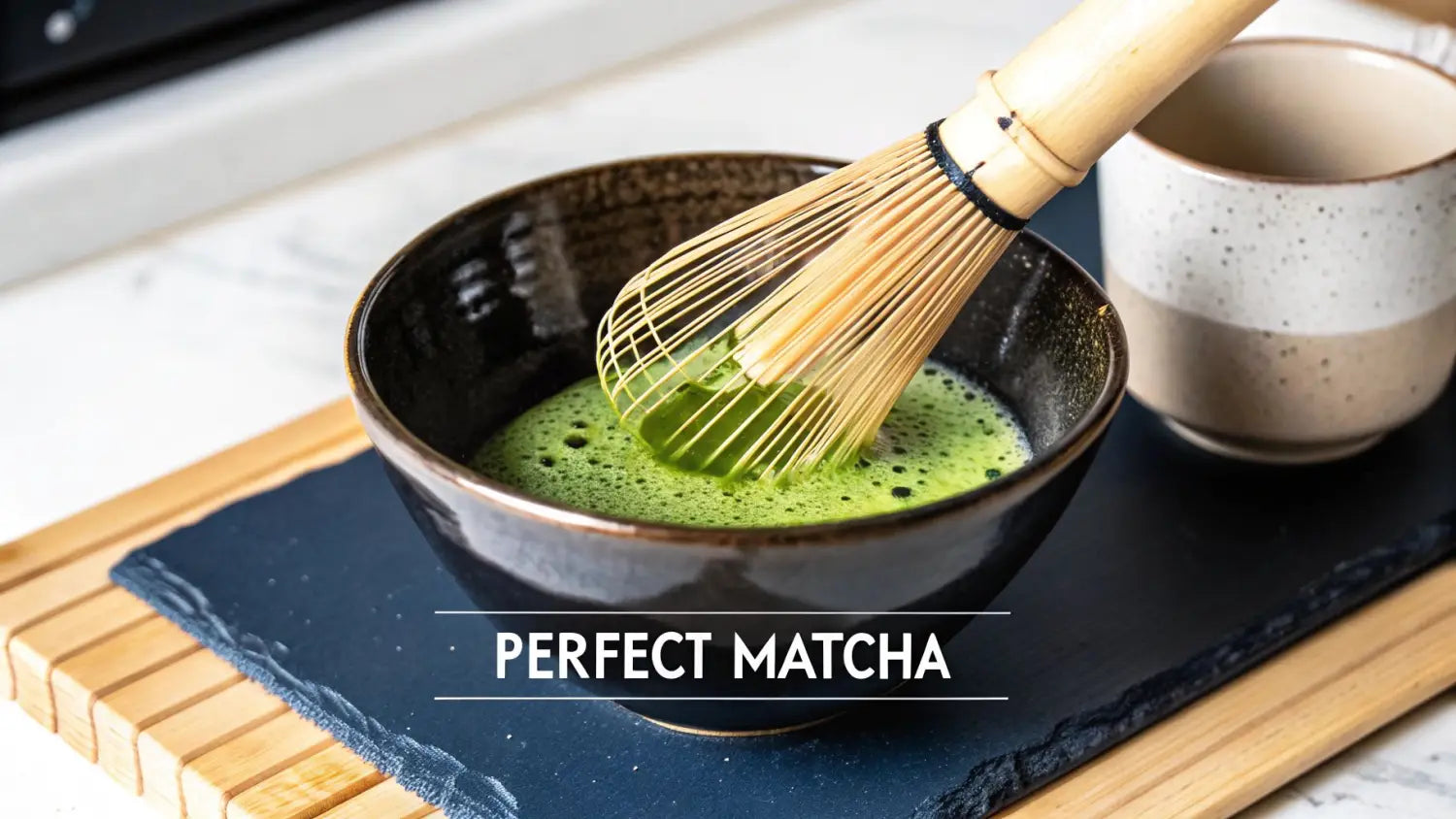
This guide will help you make matcha a seamless and enjoyable part of your daily wellness routine, turning your kitchen into your very own matcha bar.
The Traditional Whisking Method
Preparing matcha the traditional way is a meditative practice that connects you to centuries of Japanese tea ceremony culture. It only requires a few simple tools and creates a beautifully smooth, frothy tea.
What You'll Need:
- 1-2 tsp of Ceremonial Grade Matcha Powder
- 60-80ml of hot water (around 80°C, not boiling)
- A matcha bowl (chawan)
- A bamboo whisk (chasen)
- A fine-mesh sifter
Step-by-Step Guide:
- Sift Your Matcha: First things first, sift your matcha powder into the bowl. This is a crucial step to break up any clumps and guarantee a perfectly smooth, silky texture.
- Add Hot Water: Pour the hot water over the matcha. Using water that's just off the boil is key—it prevents you from scorching the delicate tea leaves, which would make your brew taste bitter.
- Whisk Vigorously: Hold the bowl firmly and whisk in a rapid 'W' or 'M' motion. The goal here is to dissolve the powder completely and create a rich layer of fine foam on the surface.
- Enjoy Immediately: Once you have a lovely crema, your matcha is ready. Drink it directly from the bowl to savour its full, complex flavour.
The secret to a great froth is all in the speed and form. Don't press the whisk against the bottom of the bowl; instead, let the tines dance quickly through the liquid to incorporate air. This technique is what creates that signature velvety crema defining a well-made bowl of matcha.
Modern Matcha For A Busy Lifestyle
Don't have time for the full ceremony? No problem. Matcha is incredibly versatile and slips perfectly into a modern, fast-paced routine. These recipes deliver all the benefits and flavour in just minutes.
When you're mastering the art of brewing, getting your measurements right is important. For those who need to adjust quantities or switch between units, you can learn how to convert recipe measurements like a pro.
Creamy Iced Matcha Latte
For a refreshing and energising treat, you really can't beat an iced matcha latte.
- Sift 1 tsp of matcha into a glass.
- Add a splash of hot water and mix with a whisk or spoon to form a smooth paste.
- Fill the glass with ice and top with 200ml of your favourite milk (oat and almond work beautifully).
- Stir well and sweeten to taste if you like.
Power-Packed Morning Smoothie
Kickstart your day with a nutrient-dense matcha smoothie that supports both energy and recovery. This is a fantastic option after a morning yoga session on your yoga mat or workout.
- In a blender, combine 1 tsp of matcha, 1 scoop of vegan protein powder, 1 frozen banana, a handful of spinach, and 250ml of plant-based milk.
- Blend until it's completely smooth and creamy.
- Pour it into a glass and enjoy the ultimate post-workout recovery drink.
For more detailed instructions and variations, check out The Ultimate Guide to Mastering Matcha at Home.
Your Matcha Questions Answered
Ready to dive into the world of matcha but still have a few things you're wondering about? You're not alone. Let's tackle some of the most common questions we hear, so you can feel confident choosing, storing, and enjoying your daily cup.
How Should I Store Matcha To Keep It Fresh?
Proper storage is absolutely key to protecting matcha's vibrant green colour, delicate flavour, and all those amazing health benefits. The two biggest enemies of fresh matcha are air and light.
Once you've opened a tin, make sure it's sealed in an airtight, opaque container. Just pop it in a cool, dark place like a pantry or cupboard. If you're planning to store an unopened package for a while, the refrigerator is a great way to keep it perfectly fresh for longer.
Is Matcha Caffeinated?
Yes, matcha definitely contains caffeine, but it interacts with your body in a completely different way to coffee. A typical serving (about one teaspoon or two grams) has around 30-70 mg of caffeine.
The real magic, though, comes from matcha's high concentration of L-theanine. This incredible amino acid partners up with caffeine to create a unique state of calm alertness. Think sustained, focused energy without the jitters or the dreaded crash you get from coffee, making it the perfect choice for mindful energy that lasts all day.
Why Is High-Quality Matcha So Expensive?
The price of premium matcha really comes down to the incredibly meticulous and labour-intensive process behind it. From the weeks of shade-growing that boost chlorophyll and flavour, to the careful hand-picking of only the youngest, most tender leaves, and the slow, traditional stone-grinding—every single step is focused on quality over quantity.
It's also worth noting that recent production challenges in Japan, like extreme weather and labour shortages, have had a big impact on costs. The price for tencha—the raw leaf used for matcha—recently hit a record high, jumping by 170% from the previous year. You can learn more about the economics of matcha to understand these global supply factors.
Can I Drink Matcha Every Day?
Absolutely! Making matcha a part of your daily routine is a wonderful way to consistently enjoy its health benefits. Its unique blend of antioxidants, L-theanine, and gentle caffeine makes it a supportive daily ritual for both your mind and body.
Whether you prefer to whisk it traditionally, blend it into a creamy latte, or add it to a morning smoothie with some vegan protein powder, making matcha a daily habit is a simple, beautiful step towards balanced wellness.
At Wellness Apothecary, we believe in providing tools for a mindful, nourished life. Our ceremonial grade matcha green tea powder is sourced to bring you the most authentic and beneficial experience, connecting you to an ancient tradition of wellness.


